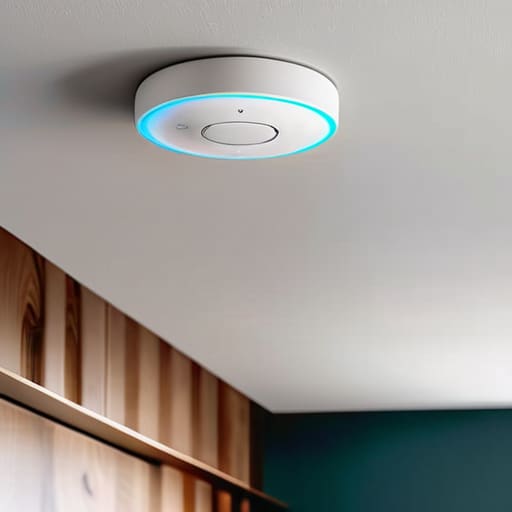
I spent six years on a helpdesk listening to people explain why they needed the latest, most expensive “smart home ecosystem” to solve problems that didn’t actually exist. Most of the marketing around home safety is just noise designed to make you feel like your current setup is obsolete. When people ask me what is a smart smoke alarm, they’re usually expecting a lecture on integrated AI and seamless ecosystem synergy, but the reality is much more uncomfortably practical. At its core, it’s just a sensor that sends a notification to your phone so you aren’t caught off guard while you’re out, though that convenience often comes with a side of fine print.
I’m not here to sell you on a lifestyle or convince you that your house needs to be “connected” to be safe. Instead, I’m going to walk you through the actual mechanics of how these things work, what they cost upfront, and—more importantly—what happens to your alerts if you decide to stop paying that monthly subscription fee. We’ll look at the setup process, the common points of failure, and whether the extra cost is actually worth the peace of mind.
Table of Contents
- Iot Smoke Detection Technology the Features That Actually Matter
- Smart Alarm Mobile App Integration When Notifications Become a Nuisance
- Five things to check before you start clicking "buy"
- The bottom line on smart smoke alarms
- The real difference between a sensor and a system
- The Bottom Line
- Frequently Asked Questions
Iot Smoke Detection Technology the Features That Actually Matter
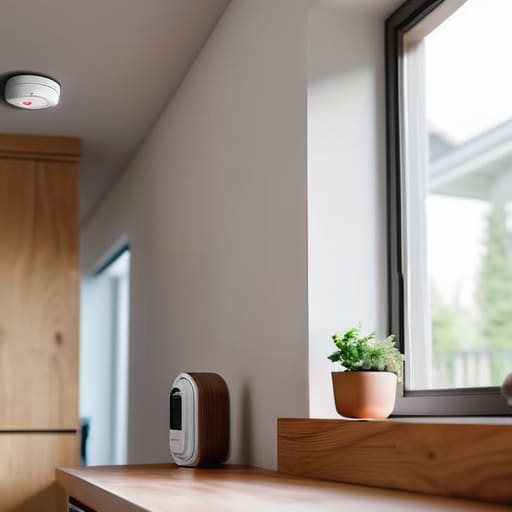
When you look past the marketing fluff, iot smoke detection technology really boils down to two things: how it talks to your phone and how it handles a false alarm. Most of these devices use a wireless connection to link to your home network, which is where the real wireless smoke detector benefits kick in. Instead of just a local siren that only your neighbors can hear, you get a notification on your phone. This is great if you’re at work or the shops, but it’s a bit of a headache if you have a sensitive sensor that pings you every time you burn a piece of toast.
The features that actually matter are the ones that reduce friction. I look for smart alarm mobile app integration that allows you to silence an alarm from your phone rather than having to climb a ladder to press a button. You should also check if the device offers remote fire monitoring through a professional service. If it does, ask what happens to that service if you stop paying the monthly fee; usually, the device reverts to a standard, “dumb” alarm that only makes noise locally.
Smart Alarm Mobile App Integration When Notifications Become a Nuisance
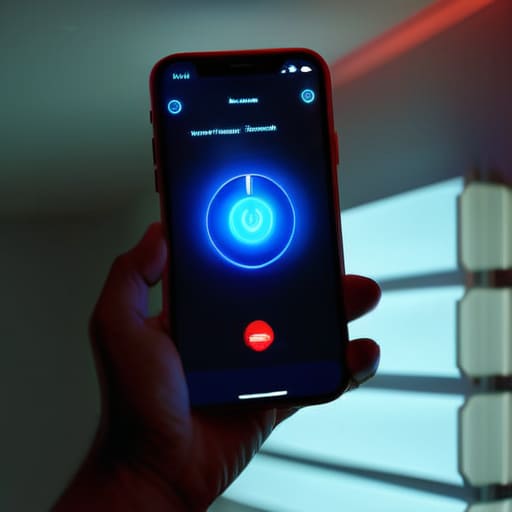
The biggest selling point for these devices is usually the smartphone alert, but there is a fine line between being informed and being harassed. When we talk about smart alarm mobile app integration, we aren’t just talking about a notification that says “smoke detected.” We’re talking about the app deciding to ping you at 3:00 AM because a piece of toast got a bit too dark, or worse, because the battery is at 10% and the sensor is being finicky. If the app isn’t configured properly, you’ll end up doing what I used to do on the helpdesk: muting the notifications entirely. Once you mute the app, you’ve effectively turned a smart device back into a “dumb” one that only makes noise when it’s already too late.
You also need to look closely at how the app handles remote fire monitoring. Some systems are great for checking if your sensor is still online while you’re at work, but others gatekeep the most useful data behind a monthly fee. I always check the fine print: if you stop paying for the premium tier, do you still get the push notifications, or does the device just become a very expensive, very quiet plastic puck on your ceiling?
Five things to check before you start clicking "buy"
- Check the “offline” behavior. A smart alarm is still a smoke alarm first; if your Wi-Fi goes down or the company’s servers have a bad day, the thing needs to be able to scream at you locally without needing a handshake from the cloud.
- Look for “interconnectivity” rather than just “smart” features. If one alarm in the kitchen detects smoke, you want the one in your bedroom to go off too, not just send a polite little notification to your phone while you’re asleep.
- Read the fine print on the subscription. Some brands lock the most useful features—like sending you an alert when the battery is low or letting you see which specific sensor triggered—behind a monthly fee. If you stop paying, make sure the device doesn’t turn into a very expensive, very dumb plastic puck.
- Verify the installation requirements. Some models are “plug and play” with your existing hardwired system, while others require you to strip wires or drill new holes. Don’t assume it’s a five-minute job if you aren’t comfortable with a screwdriver and a ladder.
- Confirm the battery situation. Even if it’s hardwired into your home’s electricity, you want a model with a reliable battery backup. If the power cuts out during a storm, a smart alarm that relies solely on a Wi-Fi connection is just a paperweight.
The bottom line on smart smoke alarms
Don’t buy one just for the “smart” label; only get it if you actually need the remote notification, otherwise, a standard $20 sensor does the same job without the software headache.
Always check the fine print on subscription models; if you stop paying the monthly fee, you might find yourself with a very expensive, very “dumb” piece of plastic that can’t even ping your phone.
Connectivity is a point of failure, so ensure your setup includes a way to test the device that doesn’t rely entirely on your home Wi-Fi being up and running.
The real difference between a sensor and a system
A smart smoke alarm isn’t some revolutionary piece of life-changing tech; it’s just a standard sensor that finally has the decency to tell you there’s a problem via your phone instead of just screaming at your ceiling while you’re trying to sleep. But before you buy in, remember: you aren’t just buying a device, you’re often signing up for a digital ecosystem that might start acting very differently the moment you decide to cancel your subscription.
Saoirse Doyle
The Bottom Line
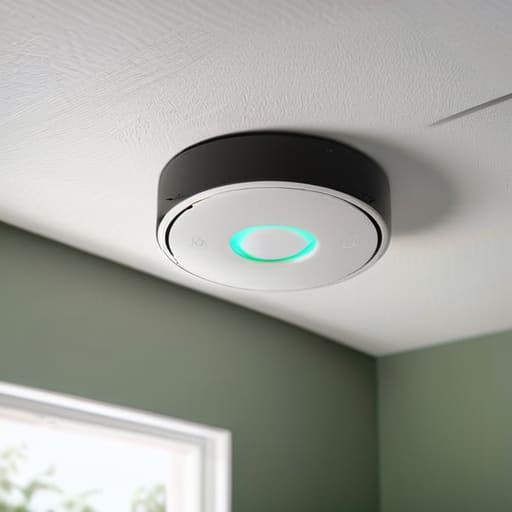
At the end of the day, a smart smoke alarm isn’t some futuristic life-altering gadget; it’s just a sensor that talks to your phone. If you want the peace of mind that comes with knowing your house isn’t burning while you’re at the grocery store, they are worth the initial setup. Just remember to look past the shiny marketing and check the fine print regarding subscription dependencies. If the app requires a monthly fee just to show you a history of test results, or if your device becomes a literal paperweight the moment you cancel that payment, you aren’t buying a safety tool—you’re renting one. Stick to the models that offer core functionality without a recurring bill, and you’ll avoid the most common headache I saw back in my helpdesk days.
Don’t let the “smart” label convince you that you need the most expensive, interconnected ecosystem on the market to stay safe. The best technology is the kind that sits quietly in the background, does its job, and doesn’t demand your constant attention or a monthly tribute to keep working. Focus on getting a device that is reliable, easy to install, and transparent about its costs. Once you have that set up, you can stop worrying about your home’s safety and get back to the things that actually matter—like making sure your sourdough starter doesn’t die while you’re out.
Frequently Asked Questions
Do I actually need a subscription to get the basic safety features?
The short answer is no, you don’t need a subscription to stay safe. If a smoke alarm goes off, it’s going to make noise regardless of whether you’ve paid a monthly fee. Most companies gate the “smart” stuff—like remote alerts or video clips—behind a paywall. You’ll still get the basic life-saving detection for free, but if you want to know your house is on fire while you’re at the grocery store, that’s when they’ll start asking for your card details.
What happens to the alarm if my home Wi-Fi goes down?
The short answer is: it still works as a smoke alarm. If the siren goes off, it’s going to go off. The hardware doesn’t need the internet to detect smoke or make noise. What does break is the “smart” part. You won’t get a notification on your phone, and you won’t be able to check the status from work. If you’re relying on that remote alert to know there’s a problem, you’re out of luck until the router boots back up.
Can I just use my old smoke detectors and add a smart hub instead?
Short answer: No. You can’t just slap a smart hub onto a “dumb” detector and expect it to start sending pings to your phone. Those old units are isolated; they don’t have the radio hardware needed to talk to a hub. You have two real options: replace the whole unit with a smart one, or—if you’re feeling particularly patient—use a smart detector as a bridge to trigger other smart home routines.
