I spent a good portion of my twenties in a cramped IT office, and if there is one thing I learned from troubleshooting broken systems, it’s that complexity is usually just a mask for bad design. You see these “eco-lifestyle” influencers selling $80 modular bamboo bin systems that look beautiful in a minimalist kitchen but fall apart the moment you actually try to use them. Most advice on how to set up recycling at home assumes you have the patience of a saint and the floor space of a showroom. In reality, if your system requires a degree in logistics just to toss a yogurt pot, you aren’t going to do it; you’ll just end up shoving everything into a single bin out of pure frustration.
I’m not here to sell you a lifestyle or a subscription to a “green living” app that will charge you twenty quid a month just to remind you to compost. Instead, I want to show you how to build a setup that actually works with your existing kitchen flow. I’ll walk you through exactly what containers to buy, where to put them so they don’t become a tripping hazard, and how to handle the annoying bits like rinsing and drying without losing your mind.
Table of Contents
Recycling Bin Organization That Actually Stays Functional
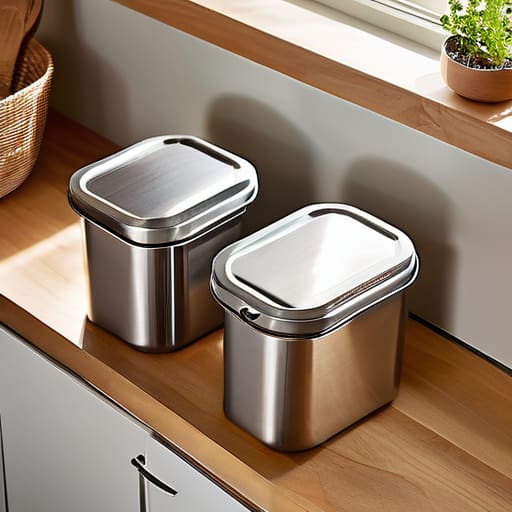
The mistake most people make is trying to build a complex station with five different bins and a color-coded manual. If it takes more than two seconds to decide where an item goes, you won’t do it; you’ll just toss it in the general trash and call it a day. For effective recycling bin organization, I suggest starting with just two or three containers. One for paper and cardboard, one for plastics and metal, and—if you have the stomach for it—a small, sealed bin for food scraps.
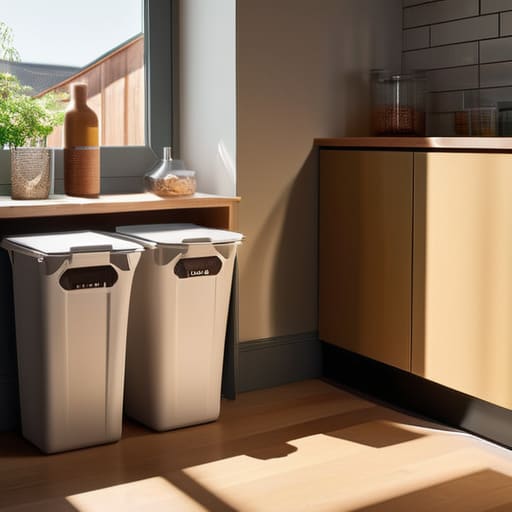
Keep these bins in the “path of least resistance.” If your recycling is tucked away in a dark pantry behind the flour, it’s going to fail. I keep mine right next to the main bin, ideally under the sink or in a corner of the kitchen where I actually stand while prepping meals. If you want to get serious about sorting recyclables by material, use bins with wide openings so you aren’t aiming for a tiny slot. The goal isn’t to be a professional at sustainable waste management; it’s just to make sure the yogurt pot doesn’t end up in the landfill because the “correct” bin was too much effort to reach.
Reducing Household Plastic Waste With Zero Extra Effort

Most people think reducing household plastic waste requires a complete lifestyle overhaul or buying a cupboard full of expensive glass jars. It doesn’t. In my experience, the best way to actually make a dent is to look at your most frequent offenders—usually shampoo bottles, milk jugs, and takeout containers—and just swap them for something slightly more durable. If you find yourself constantly throwing away thin, flimsy plastic film, look into buying a single roll of beeswax wraps. It’s a small shift in your eco-friendly kitchen habits, but it stops that specific pile of trash from growing every single week.
The real trick to sustainable waste management is making the “right” choice the easiest one. If you have to walk to the garage to deal with a piece of plastic, you won’t do it. Keep a small, dedicated bin right under the sink specifically for plastics. When it’s right there, you’ll actually use it. If you start sorting recyclables by material as you go, you won’t end up with a massive, confusing heap of tangled film and hard plastic that the local council refuses to pick up.
Five ways to stop the recycling from becoming a second job
- Don’t buy a fancy, multi-compartment bin system. Most of them are too small, meaning you’ll end up with a pile of cardboard on the kitchen floor anyway. Just get two decent-sized, sturdy bins—one for everything that goes in the bin, one for everything that goes in the recycling—and keep them in the same footprint.
- Labels are your best friend, but don’t use “Paper” or “Plastic.” Use “Clean Cans” or “Dry Cardboard.” If you’re too vague, you’ll end up “wish-cycling,” which is just throwing trash in the recycling bin and hoping for the best. That’s how entire batches of recycling get sent to the landfill because they’re contaminated.
- The “Wash and Dry” rule is non-negotiable. If a peanut butter jar still has a film of oil in it, it’s not recycling; it’s a mess that ruins the paper in the same bin. I keep a small bottle of dish soap near the sink so I can rinse things quickly while the kettle boils.
- Stop hoarding the “specialty” recycling. You do not need a dedicated bin for batteries, lightbulbs, and old electronics sitting in your utility closet for three years. Pick one small box, put it in a drawer, and once it’s full, take it to the supermarket drop-off on your way to get groceries.
- Manage your paper waste at the source. If you’re getting mountains of junk mail, don’t bother recycling it all—just stop it from coming in. Spend ten minutes unsubscribing from catalogs or setting up a “Do Not Mail” request with your bank. It’s much easier to manage zero paper than it is to manage a mountain of it.
The short version
Don’t buy a fancy, multi-compartment sorting station; just place your recycling bins right next to your existing trash cans so you don’t have to think about it.
If a material requires you to wash, dry, and meticulously sort it into five different tiny bins, you won’t do it—stick to the big stuff like paper and clean containers.
Check your local council’s website once to see what they actually take, because there is nothing more frustrating than a bin full of “recyclables” that just ends up in the landfill anyway.
The real cost of a complex system
Most people fail at home recycling because they try to build a system for a person who has infinite time and perfect energy. You don’t need a color-coded station with five different compartments; you just need a bin that’s easy to reach and a process that doesn’t require a manual to follow when you’re tired and just want to get the rubbish out of the house.
Saoirse Doyle
The Low-Maintenance Finish
If you do nothing else, just remember that a recycling system only works if it is easier than the trash can. Don’t go out and buy a five-tier modular sorting station that looks like it belongs in a laboratory; you’ll just end up ignoring it within a month. Stick to the basics: clear labels, accessible bins, and a location that doesn’t require a hike across the house to reach. Focus on the low-hanging fruit, like managing your plastics and keeping your bins organized enough that you aren’t constantly digging through a pile of mixed waste to find a clean cardboard box. It’s about building a routine that actually sticks because it requires almost zero mental energy once the bins are in place.
At the end of the day, I’m not interested in helping you achieve some impossible standard of zero-waste perfection. That’s a recipe for burnout, and frankly, it’s a market that sells more “eco-friendly” gadgets than you actually need. Just aim for a system that stops getting in your way. If you manage to divert a few more bottles from the landfill this week because your bin was actually sitting where you needed it, that is a win. Set it up, keep it simple, and then get on with your life.
Frequently Asked Questions
How do I actually know what my local council will take versus what just ends up in the landfill anyway?
The “wishcycling” trap is real—throwing things in the bin hoping they’re recyclable is just a great way to contaminate the whole batch. Don’t trust the generic symbols on the packaging; they’re often misleading. Instead, go straight to your council’s website and look for their specific “accepted materials” list. Print it out, tape it to the inside of a cupboard, and stop guessing. If they don’t explicitly list it, it’s trash.
Is it worth buying those expensive, color-coded bin systems, or can I just use whatever cardboard boxes I have lying around?
Don’t spend a cent on those aesthetic, color-coded bin systems. They’re mostly just expensive plastic that looks good in a lifestyle photo but adds nothing to your actual habit. If you have sturdy cardboard boxes, use them. Label them with a thick marker—Paper, Plastic, Metal—and stick them where they belong. If the system is too expensive or complicated, you won’t use it. The best setup is the one that’s already in your hallway.
What happens to the "recyclable" stuff if it gets a bit dirty—like a greasy pizza box or a half-rinsed yogurt pot?
Here’s the thing about “wishcycling”: if you toss a greasy pizza box in with the clean paper, you might actually ruin the whole batch. That oil doesn’t wash out, and it can contaminate the entire recycling stream. For the yogurt pots, a quick rinse is enough; they don’t need to be sterile, just not a liquid mess. If it’s truly caked in food, just bin it. It’s better to throw one thing away than to spoil the rest.
