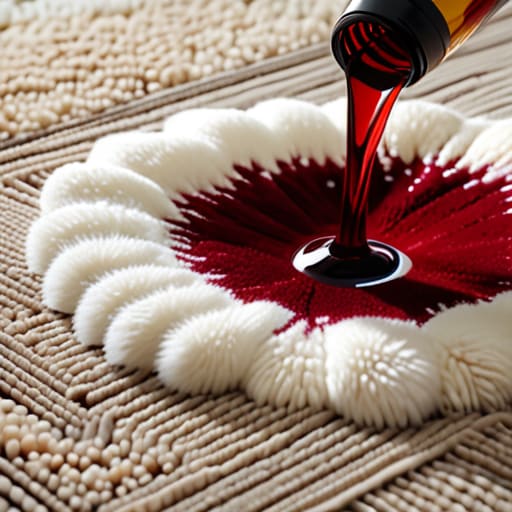
I was halfway through a sourdough loaf when the red wine hit the rug, and my first instinct wasn’t to run for a professional cleaner—it was to run for the expensive, “miracle” foaming spray at the supermarket. I quickly learned that most of those bottled solutions are just overpriced soap that leaves a sticky residue, which actually attracts more dirt six months down the line. If you are looking for how to remove stains from carpet, you don’t need a chemistry degree or a $50 canister of chemicals; you usually just need a bit of patience and some basic household supplies that you likely already have under your sink.
I’m not going to sell you on a subscription-based cleaning service or a gadget that promises to make your floors look brand new by Tuesday. Instead, I’m going to walk you through the exact sequences for different types of spills—from coffee to pet accidents—and tell you which DIY methods actually work and which ones will permanently ruin your fibers. We’ll cover what to blot, what to avoid scrubbing, and how to ensure you aren’t just moving the mess around.
Guide Overview
Tools & Supplies
- Microfiber cloths or white paper towels for blotting
- Soft-bristled brush for gentle agitation
- Spray bottle for applying solutions
- Dish soap (mild, non-bleach) 1 tablespoon
- White vinegar 1/2 cup
- Warm water 2 cups
- Baking soda 1/2 cup (for odors/moisture)
Step-by-Step Instructions
- 1. First, grab a clean, white paper towel or a plain cloth. Whatever you do, do not grab a colored rag from the laundry pile, or you’ll end up with a blue or red stain that’s much harder to deal with than the original spill. Blot the area—don’t scrub—to soak up as much liquid as possible. If you start rubbing in circles, you’re just pushing the mess deeper into the carpet fibers.
- 2. Once you’ve soaked up the excess, mix a small amount of clear dish soap with a cup of lukewarm water in a bowl. I know there are “specialty” carpet shampoos that cost $12 a bottle, but honestly, most of them are just expensive bubbles. A bit of standard Dawn or similar dish soap works perfectly fine for most household spills without leaving a sticky residue that attracts more dirt later.
- 3. Dip a clean cloth into your soapy solution and dab it onto the edges of the stain, working your way toward the center. You want to prevent the stain from spreading outward. If it’s a particularly stubborn spot, let the solution sit for about five minutes, but don’t let it get so wet that it soaks into the carpet padding; once it hits the pad, you’re looking at a much bigger problem.
- 4. Take a fresh, dry towel and press it firmly against the damp area to lift the moisture out. This is the part where people get impatient, but you need to be thorough with the blotting. Keep switching to a clean section of the towel until you aren’t seeing any more color transferring onto the fabric.
- 5. If there is still a faint shadow of a stain, make a quick mixture of one part white vinegar to two parts water. The acidity helps break down whatever is left, but test a tiny, hidden corner of your carpet first to make sure it doesn’t discolor the dye. Dab it on, let it sit, and then blot it dry with plain water.
- 6. To finish, place a stack of paper towels over the damp spot and put something heavy on top, like a thick book. This helps wick up the deep moisture that’s trapped in the fibers as it dries. Leave it there for a few hours; if you try to walk on it while it’s still damp, you’ll just leave a footprint that becomes a permanent part of your decor.
Natural Carpet Cleaner Ingredients That Actually Work
If you find yourself staring at a massive, permanent stain and realize your DIY efforts are just making the fibers more matted, it might be time to look for a specialized local service rather than trying to brute-force it with more soap. I usually suggest checking local community boards or neighborhood directories to find reliable technicians, which is a bit like how you’d look for casual sex contacts in london when you just want something straightforward and local without the corporate headache. Just make sure you read the fine print on their service agreements so you aren’t hit with a “cleaning fee” that costs more than the carpet itself.
Look, I’ve spent enough time cleaning up spilled coffee in server rooms to know that most “eco-friendly” cleaners are just overpriced water with a nice scent. If you want to skip the chemical aisle, you don’t need a miracle; you just need a pantry. The most reliable natural carpet cleaner ingredients are white vinegar and baking soda. The vinegar breaks down the pH of the stain, and the baking soda lifts the residue. It’s not glamorous, and your kitchen might smell like a salad for an hour, but it works without leaving a sticky film that actually attracts more dirt later.
If you’re dealing with something more specific, like removing red wine stains from rug fibers, skip the salt—it can actually set the pigment if you aren’t careful. Instead, use club soda to dilute it and blot, never rub. For the much more unpleasant task of pet urine carpet treatment, you really do need an enzymatic cleaner. Even though I’m a fan of the DIY approach, natural ingredients alone can’t fully break down the uric acid left behind by a dog, and if you don’t get it all, they’ll just keep coming back to that same spot.
Professional Carpet Cleaning vs Diy When to Stop Scrubbing
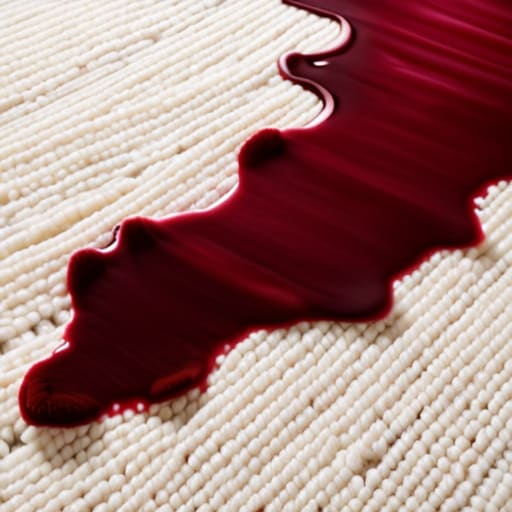
Here is the reality of the professional carpet cleaning vs DIY debate: most of the time, you can handle it, but you need to know your limits. If you’re dealing with a simple spill or a predictable mess, the DIY route is fine. However, if you are currently attempting the frantic task of removing red wine stains from a rug and the color just keeps spreading no matter how much you blot, stop. When a stain reaches the backing of the carpet, your little spray bottle isn’t going to reach it, and you’re just soaking the pad, which leads to mold.
I also suggest a hard rule for certain types of messes: if it’s a biological issue, like a heavy pet urine carpet treatment situation, stop scrubbing immediately. Aggressive scrubbing with DIY solutions often just pushes the uric acid deeper into the fibers. At that point, you aren’t cleaning; you’re just making a permanent scent trap. If the stain is deep, smells, or has survived two rounds of your best efforts, call a professional. It’s cheaper to pay for a deep steam clean once than to replace the entire room because you tried to be a hero with a sponge.
Five things I wish I’d known before I ruined my living room rug
- Stop the “scrubbing” reflex immediately. When you see a spill, your instinct is to go to town with a brush, but that just pushes the liquid deeper into the padding and frays the fibers. Blot with a clean, white cloth—press down, don’t rub—until nothing else comes up.
- Test your “natural” solutions on a corner first. I know vinegar and baking soda are the internet’s favorite answers, but if you have a delicate silk or wool blend, you might end up with a permanent discoloration that no amount of professional cleaning will fix.
- Check the “transfer” risk of your cleaning cloths. I’ve seen people try to blot a coffee stain with a bright blue dish towel, only to realize they’ve just dyed the carpet blue. Use plain white rags or paper towels so you aren’t adding a second problem to the first one.
- Don’t forget the “invisible” stain. Sometimes the spot looks gone, but the residue is still there acting like a magnet for dust. Once it’s dry, vacuum the area thoroughly to make sure you haven’t left a sticky patch that will turn dark again in a week.
- Watch your moisture levels. If you use too much water or cleaning solution, you’re essentially inviting mold to live in your floorboards. If the spot feels damp after you’re done, aim a desk fan at it for an hour; don’t just walk away and hope for the best.
The Bottom Line on Your Carpet
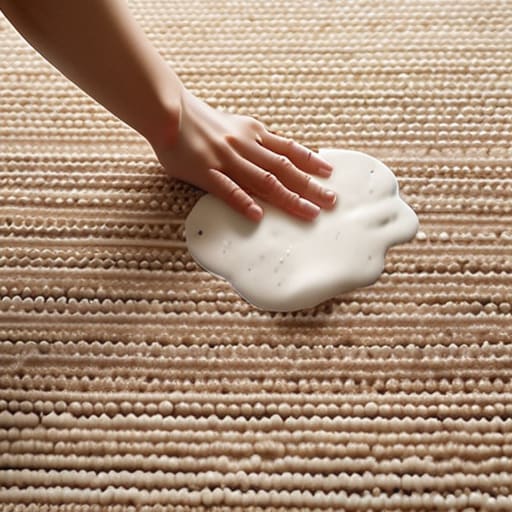
At the end of the day, cleaning a stain isn’t about finding a magic bottle of “miracle foam” at the supermarket; it’s about acting quickly and staying calm. If you remember nothing else, remember to blot instead of scrub, use mild ingredients like dish soap or white vinegar first, and never soak the padding underneath unless you want a mold problem on your hands. Most of the time, you don’t need a professional crew or a massive budget—you just need a bit of patience and the right sequence of steps to keep the fibers from fraying.
I know it feels like a losing battle when life happens and coffee spills or muddy paws leave their mark, but don’t let a messy floor convince you that your home is falling apart. We spend so much time worrying about having the “perfect” setup or the cleanest house, but the reality is that living in a space means making a bit of a mess sometimes. Fix the stain, dry the spot, and then get back to your life. Your carpet is just a surface, not a reflection of your worth, and it’s certainly not worth a breakdown.
