
I once spent an entire weekend trying to follow a “lifestyle guru’s” guide on how to plan a moving day, which mostly involved color-coding labels and buying expensive, branded organizers that promised to “transform your transition.” By Sunday night, I hadn’t actually packed a single box; I had just spent three hundred Euro on aesthetic stationery and felt more overwhelmed than when I started. Most moving advice is written by people who have never actually had to haul a heavy sofa up a narrow flight of stairs or deal with a utility company that refuses to acknowledge your existence.
I’m not here to sell you on a system that requires a PhD in logistics or a massive budget for specialized gadgets. Instead, I’m going to give you the unvarnished version of how to plan a moving day without losing your mind or your deposit. We’ll talk about what you actually need to pack, which “essential” services are a complete waste of money, and—most importantly—how to ensure you don’t get hit with hidden fees once you’ve settled into your new place.
Table of Contents
- Relocation Timeline Management What Actually Happens and When
- Decluttering Before Moving What to Keep and What to Ditch
- The Survival Kit: Five Things That Will Save Your Sanity
- The Moving Day Essentials
- The Truth About Moving Logistics
- Moving Day Doesn't Have to Be a Disaster
- Frequently Asked Questions
Relocation Timeline Management What Actually Happens and When

Most people treat a move like a sprint, but it’s actually a series of small, annoying administrative tasks that pile up. Effective relocation timeline management isn’t about finding a fancy app to track your progress; it’s about working backward from your lease end date. Start with the heavy lifting—the stuff that requires other people’s time—about six weeks out. This means booking the van or the movers before you even think about buying tape. If you wait until the week of, you aren’t just paying more; you’re paying for the privilege of being stressed.
The middle weeks are where the real work happens, specifically decluttering before moving. I cannot stress this enough: do not pay a professional to move a box of cables you haven’t touched since 2014. If you haven’t used it in a year, it shouldn’t be on the truck. Once you hit the final seven days, shift your focus to the logistics of survival. This is when you stop packing the kitchen and start assembling your last minute moving checklist, focusing on things like utility transfers and setting aside a specific box for your coffee maker and chargers.
Decluttering Before Moving What to Keep and What to Ditch
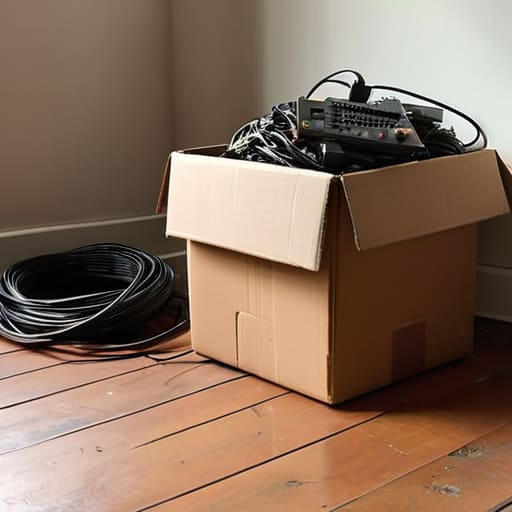
The biggest mistake I see people make is treating a move like a game of Tetris where they try to fit everything they own into a smaller space. You aren’t playing Tetris; you’re paying someone to move your junk. When it comes to decluttering before moving, I use a very blunt rule: if you haven’t touched it in a year, it doesn’t get a seat in the van. Don’t let the “I might need this someday” trap trick you. That “someday” usually arrives about three months after you’ve unpacked and realized you’re staring at a box of tangled cables for a device you threw away in 2019.
Instead of trying to organize every single item, focus on categorizing your stuff into three piles: Keep, Sell, and Bin. If you’re selling, do it early in your relocation timeline management so you actually see the cash before moving day. For the rest, just be honest. If a piece of furniture is slightly wobbly or a kitchen gadget is just taking up shelf space, let it go. It’s much cheaper to buy a new toaster in your new place than it is to pay a mover to carry a broken one across the county.
The Survival Kit: Five Things That Will Save Your Sanity
- Pack an “Open First” box. This isn’t for your books or your decorative vases; it’s for the things you need the second you drop the keys in the new lock—kettle, mugs, phone chargers, basic tools, and enough toilet paper to last until you find the rest of the boxes.
- Audit your subscriptions before the move. Most people forget that moving house is the perfect time to cancel that gym membership you haven’t used since 2022 or that streaming service you only kept because of a free trial. Check your bank statement now so you aren’t paying for services at a house you haven’t even unpacked yet.
- Label by room, not just by “stuff.” Don’t just write “Kitchen” on a box; write “Kitchen – Coffee Station & Toaster.” It sounds pedantic, but when you’re exhausted at 10 PM, you don’t want to be playing a guessing game with twenty identical brown boxes.
- Document your tech setup. Before you unplug your router, your smart home hubs, or your workstation, take a quick photo of the cables. I spent three years at a helpdesk watching people try to “reconstruct” a network from memory, and it always ends in a mess of tangled wires and frustration.
- Budget for the “hidden” costs. The moving truck is one thing, but you will inevitably spend more than you planned on takeout because you’re too tired to cook, extra bubble wrap because you underestimated the glassware, and those little plastic bins you’ll realize you need halfway through the first week.
The Moving Day Essentials
Don’t pack your essentials in a random box; put your chargers, basic tools, and the first night’s clothes in one clearly marked bag that stays with you, not the movers.
Budget for the “hidden” costs like insurance, cleaning supplies, and the inevitable takeout because you’ll be too tired to cook.
Check your digital life before you go—make sure your address is updated with your bank and utility providers so you aren’t chasing paper trails for months.
The Truth About Moving Logistics
Moving isn’t a project you solve with a fancy color-coded spreadsheet; it’s a series of small, annoying logistical hurdles that you manage by knowing exactly what you’re paying for, what you’re actually going to use in the new place, and which boxes are just expensive ways to transport trash.
Saoirse Doyle
Moving Day Doesn't Have to Be a Disaster

At the end of the day, moving is just a series of logistical hurdles. If you’ve managed your timeline, kept your decluttering honest, and actually accounted for the hidden costs—like those extra van rental fees or the inevitable “emergency” trip to the hardware store—you’re already ahead of most people. Don’t get bogged down trying to make every box perfectly labeled or every corner of the new place pristine by noon. Focus on the essentials: your documents, your chargers, and the one box containing the kettle and the coffee. If you can find your toothbrush and a clean shirt on the first night, the system worked.
There is a lot of noise out there telling you that a move is a “fresh start” or a “spiritual journey,” but let’s be real: it’s mostly just heavy lifting and repetitive paperwork. However, once the last box is taped shut and the new keys are in your hand, there is a specific kind of quiet that comes with a cleared-out space. It’s the feeling of a system finally working the way it should. Don’t let the chaos of the transition ruin the utility of the destination. You aren’t just moving furniture; you’re setting up the infrastructure for your next chapter. Take a breath, grab a drink, and settle in.
Frequently Asked Questions
Should I hire professional movers or just rent a van and ask my friends for help?
It comes down to a math problem involving your time and your friendships. Hiring movers is expensive, but you’re paying for people who won’t drop your TV or complain about heavy lifting. Renting a van is cheaper, but you have to manage the logistics, the fuel, and the inevitable “thank you” pizzas. If you have the budget, hire the pros. If you go the DIY route, make sure your friends know exactly what they’re signing up for.
How do I handle the actual transfer of my internet and utilities without being left in the dark on night one?
The trick is to treat utilities like a hardware migration, not a suggestion. Call your internet provider at least two weeks out; don’t assume they can just “flip a switch” on your move date. I always schedule the connection for the day before I arrive. If you wait until move-in day to realize your router won’t sync, you’re sitting in a dark house with no Wi-Fi to look up how to fix it.
What is the best way to pack things so I’m not digging through fifty identical brown boxes just to find my coffee maker?
The trick isn’t better tape; it’s a labeling system that doesn’t rely on memory. Don’t just write “Kitchen” on a box. Write “Kitchen: Coffee maker, mugs, filters.”
