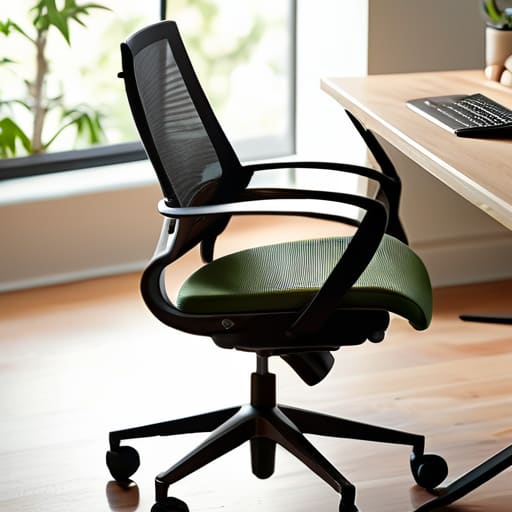
I spent six years in IT support, and if there is one thing I learned, it’s that people will spend a thousand euros on a “revolutionary” ergonomic throne only to realize the lumbar support feels like a brick pressing into their spine. Most of the advice you see online about how to choose a desk chair for home is just high-end marketing disguised as wellness. They want you to believe you need a complex system of levers and patented mesh to survive a workday, when in reality, most of those fancy features are just points of failure waiting to happen. You don’t need a spaceship; you just need something that doesn’t make you want to lie face-down on the carpet by 3:00 PM.
I’m not here to sell you on a lifestyle or a specific brand. Instead, I’m going to walk you through the actual mechanics of what matters: seat depth, armrest stability, and whether that “breathable” fabric is actually going to pill after two months of use. I’ll tell you exactly what to test before you tap your card, so you can find a chair that stays out of your way and lets you actually get your work done.
Table of Contents
Why Lumbar Support Importance Matters More Than the Aesthetic
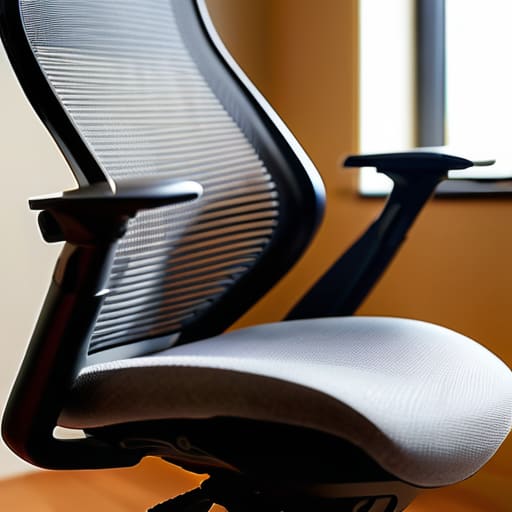
You’ll see plenty of chairs online that look like they belong in a high-end architectural magazine—minimalist silhouettes, sleek velvet, or that “mid-century modern” look that everyone loves on Pinterest. They look great in a photo, but most of them are essentially beautiful torture devices. When you’re sitting for six hours a day, the aesthetic matters about as much as the color of your wallpaper. What actually matters is the lumbar support importance; if that chair doesn’t physically push against the curve of your lower spine, you’ll find yourself slouching into a C-shape by lunchtime.
I’ve seen too many people buy a “statement piece” only to realize they’re spending their entire evening rubbing ibuprofen into their hips. A chair can have the best materials for office chairs—breathable mesh or premium leather—but if it lacks a dedicated way to support your lower back, it’s just an expensive piece of furniture. You want something that holds your spine in place so your muscles don’t have to do all the heavy lifting. If you have to choose between a chair that looks “cool” and one that actually keeps you upright, choose the one that keeps you upright.
A Seat Depth and Width Guide for Actual Humans

Most people focus on how a chair looks in a Zoom window, but they forget that the actual surface area of the seat is what dictates whether you’ll be fidgeting by 2:00 PM. When I’m looking at a seat depth and width guide, I’m looking for one specific thing: the gap between the edge of the seat and the back of your knees. If the seat is too deep, it’s going to cut off your circulation; if it’s too shallow, you’ll feel like you’re perched on a stool rather than sitting in a chair. You want about two or three fingers of space there.
Width is the same story. If you’re a larger person, a narrow seat pan is just going to feel like a cage. I’ve seen plenty of “ergonomic” designs that are actually quite restrictive because they prioritize a slim profile for aesthetics. For effective posture correction seating, you need enough room to shift slightly without feeling like you’re sliding off the edge. If the chair is too wide, you’ll likely slouch to one side to find comfort, which defeats the whole purpose of the investment.
Five things to check before you click 'buy'
- Check the armrests. If they are fixed in place and they hit the underside of your desk, you’re going to end up pulling your chair out six inches every time you want to type. That’s how you end up with a messy workspace and a sore shoulder. Look for ones that adjust up, down, and ideally, in and out.
- Don’t trust the “heavy duty” label without looking at the cylinder. Most cheap chairs use a basic gas lift that starts sinking after six months of actual use. If the description doesn’t mention a Class 4 cylinder, it’s probably going to be a slow, expensive descent toward the floor by next Christmas.
- Test the tilt tension. You don’t want a chair that snaps backward like a catapult, but you also don’t want one so stiff you feel like you’re sitting on a wooden bench. There should be a knob underneath that lets you dial in how much effort it takes to lean back.
- Look at the casters (the wheels). If you have hardwood floors, “standard” plastic wheels will eventually scratch them or make a horrible grinding sound. Get the rubberized ones. They’re quieter, they roll smoother, and they won’t leave tiny scars in your floorboards.
- Consider the fabric’s breathability. Mesh looks great in photos and is very “tech-forward,” but if you’re someone who runs hot, a cheap mesh can feel like sitting on a plastic net. If you go with fabric, make sure it’s a high-rub count material; otherwise, the seat will start looking saggy and worn within a year.
The quick version for when you just want to sit down
Prioritize the mechanics over the look; if the height adjustment is sticky or the armrests don’t move where you need them, the chair is useless regardless of how it looks in your office setup.
Check the seat depth before you buy; if the edge hits the back of your knees, you’ll end up slouching to compensate, which defeats the entire purpose of buying an “ergonomic” chair.
Don’t get caught in the “subscription trap” of high-end modular brands; check if the replacement parts are easy to find on your own or if you’re forced into a proprietary ecosystem just to fix a broken caster.
The real cost of a bad chair
Most people spend three weeks researching the ‘ergonomic’ buzzwords in the product description, only to realize too late that the armrests are non-adjustable and they’re spending the next six months fighting a constant ache in their shoulders. Stop looking for the chair that looks good in a minimalist office setup and start looking for the one that doesn’t make you want to stand up every twenty minutes.
Saoirse Doyle
Getting it right the first time
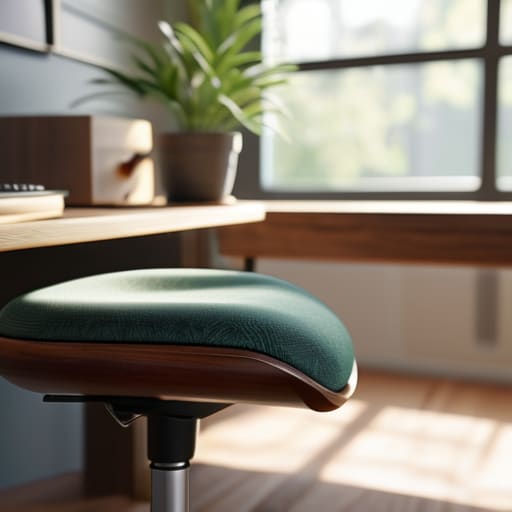
At the end of the day, don’t let the marketing departments bully you into thinking you need a “command center” or a chair that looks like it belongs in a spaceship. If you focus on the basics—making sure the lumbar support actually hits your spine where it should and that you aren’t being pinched by a seat pan that’s too deep—you’ve already won half the battle. Test the adjustment levers before you tap ‘buy’ and, for heaven’s sake, check the warranty terms to see if it actually covers the gas lift, because that is usually the first thing to go.
Buying a chair shouldn’t feel like a high-stakes tech upgrade, even though we spend more time in them than we do in our actual beds. You aren’t looking for a lifestyle statement; you’re just looking for a piece of furniture that stays out of your way so you can get your work done and then go live your life. If you find something that supports your back without requiring a manual to sit down, consider that a massive win. Get the right setup, stop thinking about your posture every ten minutes, and get back to the things that actually matter.
Frequently Asked Questions
Is it worth spending the extra money on a high-end ergonomic brand, or can I just get something decent from a big-box retailer?
Look, if you’re eyeing a Herman Miller because it looks good in a YouTube setup, stop. You’re paying for the brand and the engineering. If you have a bad back, those high-end chairs are worth it because they’re built to last a decade, not a season. But for most of us, a decent mid-range chair from a reputable office supplier is fine. Just avoid the big-box “gaming” chairs; they’re usually just cheap foam wrapped in aggressive branding.
How do I know if a chair's "adjustable" features are actually useful or just more things that will break in a year?
Look, “adjustable” is often just marketing-speak for “more moving parts to snap.” When you’re testing a chair, don’t just pull the levers to see if they move; pull them and feel the resistance. If a lever feels loose or makes a grinding sound, that mechanism is going to fail by next Christmas. I always check the tension knobs too—if they’re plastic and feel flimsy, they’ll strip. Stick to metal levers and solid, heavy-duty adjustments.
What happens to the warranty if I buy a chair online and it arrives with a faulty gas lift?
If your gas lift is shot on arrival, don’t panic, but don’t wait to report it. Most reputable retailers consider this “Dead on Arrival” (DOA), which is covered under your consumer rights regardless of the manufacturer’s specific warranty. Check the return window immediately—usually 14 to 30 days. If you bought it through a marketplace like Amazon, use their system first; it’s much faster than arguing with a manufacturer’s support desk.
