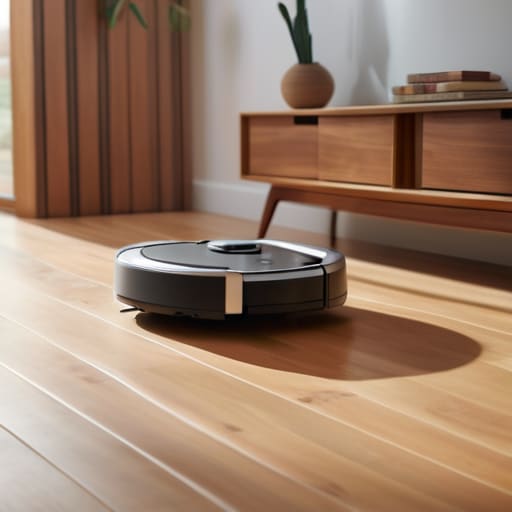
I spent six years in IT support watching people buy “smart” solutions that actually just created more tickets for me to close. So, when the marketing for robot vacuums started promising a life of effortless, pristine floors, my internal alarm bells went off. Most of the reviews you read online are written by people who have nothing to do with the reality of living with a dog, a messy kitchen, or a house full of low-slung furniture. People keep asking are robot vacuums worth it, but they’re usually asking the wrong question. They should be asking if they’re ready to become a part-time janitor for a machine that thinks a stray charging cable is a mountain range.
I’m not here to sell you on the dream of a hands-off lifestyle. Instead, I want to talk about what actually happens when you bring one of these into your home. I’ll walk you through what they actually clean, which ones are just expensive paperweights, and—most importantly—what the ongoing costs look like once the initial novelty wears off. We’ll look at the maintenance, the inevitable stuck-under-the-sofa moments, and whether the time you save is actually worth the fiddly upkeep required to keep the thing running.
Table of Contents
Automated Floor Maintenance What It Cleans and What It Ignores
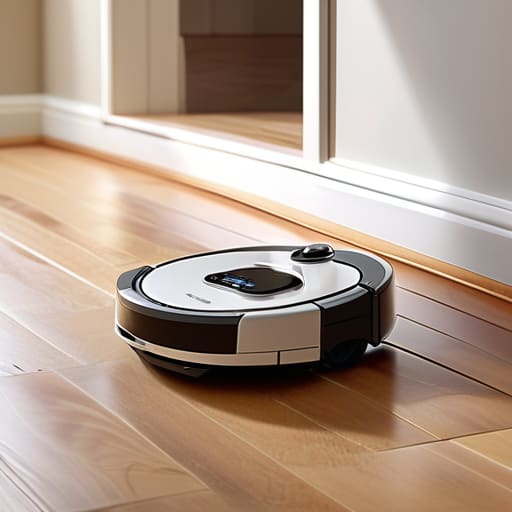
Here is the reality of automated floor maintenance: these machines are excellent at maintaining a baseline, but they are not a replacement for a proper deep clean. If you have a daily battle with crumbs or fine dust, a robot is great for keeping the floor from looking “gritty” between your actual cleaning sessions. They excel at the repetitive, low-level stuff—the stuff that usually makes you sigh when you see it. However, if you are looking for the best robot vacuum for pet hair to handle a massive shedding season, you’ll find they struggle with the clumps that gather in corners or against baseboards.
The biggest gap is usually the “edge case” problem. A robot will zip across the middle of your rug with decent efficiency, but it will almost certainly ignore the heavy debris tucked under the sofa or the dust bunnies hiding behind the door. You’ll find that robot vacuum suction power vs manual cleaning is a losing battle when it comes to corners; a handheld vacuum or a real broom still wins there every time. They keep the floor mostly clean, but you’ll still need to do the heavy lifting once a week.
Robot Vacuum Suction Power vs Manual the Actual Performance Gap
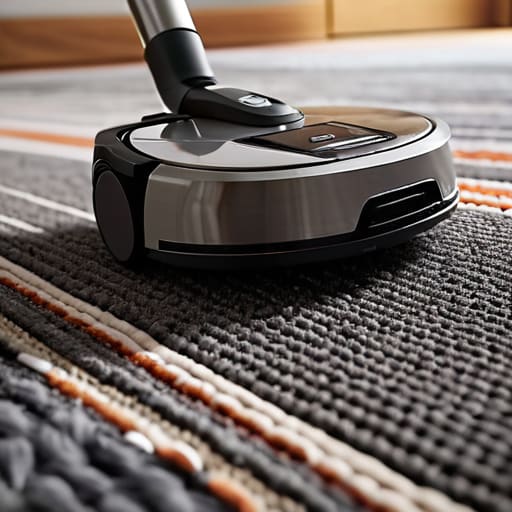
If you’re looking at the spec sheet, you’ll see numbers like “4000Pa” or “5000Pa” plastered everywhere. In my experience, those numbers are mostly marketing fluff. When comparing robot vacuum suction power vs manual cleaning, you have to realize that a robot is essentially a tiny, motorized puck trying to do a job designed for a human with an actual arm. A cordless stick vacuum can concentrate all its force into one spot to pull grit out of a rug seam; a robot has to distribute its energy across its entire underside while constantly moving.
This means that while a robot is great for keeping the “everyday” layer of dust at bay, it will almost never match a deep clean. If you have high-pile carpets or a house full of shedding animals, you aren’t looking for the best robot vacuum for pet hair to be your only tool; you’re looking for it to be your secondary tool. It manages the surface-level debris so that when you finally pull out the heavy-duty vacuum once a week, it’s not a total nightmare.
Five things to check before you let a robot loose in your house
- Check your floor plan for “death traps.” If you have a dining room with heavy chair legs or a low-clearance sofa, the robot will spend half its battery life screaming for help. If you can’t clear a path, you’ll end up spending more time rescuing the machine than it spends cleaning.
- Look closely at the “subscription” model for consumables. Some brands make it easy to buy the vacuum, but then they bake the cost of proprietary brushes, filters, and specialized cleaning solutions into a recurring expense. Before you buy, check if you can find generic replacements on Amazon, or if you’re locked into their ecosystem.
- Don’t fall for the “mapping” hype if you have a small space. High-end LiDAR mapping is great for a three-story house, but if you live in a one-bedroom apartment, you’re paying a premium for a brain that’s too big for the room. A basic bump-and-turn model will do the same job for a fraction of the price.
- Consider the “clutter tax.” A robot vacuum is essentially a tool that rewards you for having empty floors. If your lifestyle involves leaving laundry, shoes, or cables everywhere, the robot isn’t a “set and forget” solution—it’s just another chore you’ve added to your list to tidy up before the machine can run.
- Ask what happens to your data. Most modern vacuums use cameras to navigate and map your home. If you aren’t comfortable with a company having a digital floor plan of your living room stored on their servers, look for models that rely on physical sensors rather than visual cameras.
The bottom line
Don’t expect them to replace your deep clean; they are “maintenance” tools meant to stop dust from building up between the times you actually use a real vacuum.
Check the floor plan before you buy—if you have high-pile rugs or a lot of chair legs, you’ll spend more time rescuing the robot than it spends cleaning.
Look past the suction numbers and check the app subscription; if the “smart” features require a monthly fee just to see a map of your living room, you’re better off with a cheaper, “dumb” model.
The reality of the "set and forget" promise
“Most people buy a robot vacuum because they want to stop thinking about floors entirely, but you aren’t actually buying a cleaner; you’re buying a tiny, motorized roommate that requires its own weekly maintenance schedule just to keep it from dying under the sofa.”
Saoirse Doyle
The bottom line
So, are they worth it? If you’re expecting a device that replaces your actual vacuum cleaner, you’re going to be disappointed and probably a bit annoyed. They aren’t magic; they are just consistent. They handle the fine dust and the daily crumbs that build up between your deep cleans, but they will never tackle the heavy lifting or the corners where the cat hair actually hides. You have to weigh the cost of the machine—and the inevitable subscription for replacement filters and brushes—against the specific reality of your floor plan. If your home is a minefield of stray cables and low-slung furniture, you aren’t buying a helper; you’re buying a fiddly little chore that you’ll end up managing more than it manages for you.
Ultimately, don’t buy one because a tech reviewer told you it’s “life-changing.” Buy one if you can look at your floor and honestly say that having it run while you’re at work would take a small, measurable weight off your shoulders. Technology should be a tool that stays in the background, not another thing on your to-do list that requires constant troubleshooting. If it buys you twenty minutes of peace on a Tuesday, it’s a win. If it just becomes another piece of expensive plastic getting stuck under the sofa, let it go. Your time is worth more than a gadget that doesn’t work for your specific life.
Frequently Asked Questions
How much do these things actually cost to keep running once you've bought the initial unit?
The sticker price is just the entry fee. To keep it running, you’re looking at a steady cycle of consumables: brushes that fray, filters that clog, and those little side-sweepers that eventually look like chewed gum. Most brands sell these in packs, so expect to spend maybe £30–£50 a year on replacements. Also, watch out for the “smart” models that lock certain features behind a subscription—if you stop paying, you might find your vacuum suddenly much dumber.
Do I really need one of those expensive self-emptying bases, or is that just more tech to break?
The self-emptying base is the definition of a “convenience tax.” It works by sucking debris from the vacuum into a disposable bag inside the dock. It’s great because you only touch the dust once every month or two instead of every single day. However, you’re adding a motor that can fail, a sensor that can get clogged, and a recurring cost for those proprietary bags. If you hate emptying small bins, buy one. If you’re tight on budget, skip it.
What happens to the app and the vacuum's smart features if the manufacturer decides to stop supporting the software?
This is where the “smart” part of your vacuum becomes a liability. If the company goes bust or decides your model is too old, the app usually dies. Without the app, you lose the maps, the scheduling, and the ability to tell it which room is which. You’re left with a very expensive, very dumb hunk of plastic that only works if you can physically press its buttons. Check if the brand has a history of long-term support before you commit.
