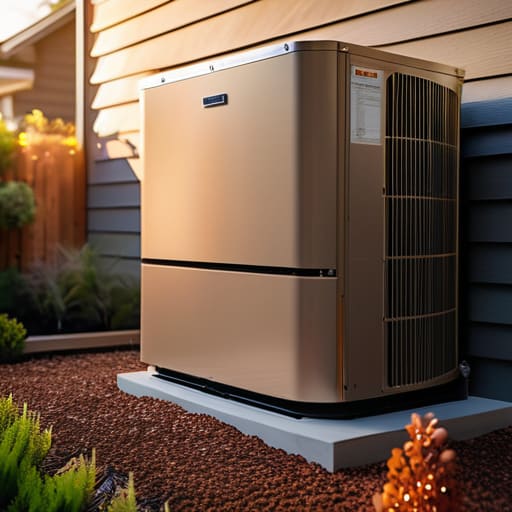
I spent six years on a helpdesk listening to people explain why their “revolutionary” new software wasn’t working, only to realize they just hadn’t read the manual. I see the same thing happening with home heating. Everyone is talking about the “green revolution” and the magic of thermal exchange, but if you search for what is a heat pump, you’ll mostly find marketing brochures filled with breathless adjectives and vague promises of savings. Most of it is just noise designed to make you feel like you’re falling behind if you haven’t already replaced your entire HVAC system. Truthfully, it’s not magic; it’s just a machine that moves heat instead of making it, and it isn’t always the perfect solution for every house.
I’m not here to sell you on a lifestyle change or a new way to save the planet. I just want to tell you how they actually work, what they’ll cost you when the technician shows up, and—most importantly—what happens to your comfort when the temperature drops below freezing. I’ll walk you through the fiddly bits of installation and the real-world maintenance, without the sales pitch.
Table of Contents
How Heat Pumps Work Without the Physics Lecture

Look, you don’t need a degree in thermodynamics to understand the basic concept. Most people think a heat pump is like a space heater that creates heat from scratch, but it’s actually doing the opposite. It’s more like a refrigerator that works in reverse. Instead of taking heat out of your fridge to keep your milk cold, a heat pump pulls the existing warmth from the air outside—even when it’s freezing—and moves it into your house. It’s not creating energy; it’s just moving it from one place to another.
This distinction is why how heat pumps work is so much more efficient than a standard electric heater. Because you’re just relocating heat rather than generating it through resistance, you get a much higher return on your investment. When you look at heat pump efficiency ratings, you’ll see numbers that look almost too good to be true, but that’s just the math of moving heat versus making it. It’s a bit more finicky to set up than a simple plug-in heater, but once the loop is running, it’s a very steady way to keep a house warm without the massive electricity spikes.
The Thermodynamics of Heat Pumps and Why They Break

I’m not going to pretend I enjoy reading textbooks, but if you want to understand why your heating bill might fluctuate, you have to look at the thermodynamics of heat pumps. Essentially, they don’t create heat like a space heater does; they just move it. They use a refrigerant to grab thermal energy from the outside air (even when it feels freezing to you) and dump it inside your house. Because they are moving existing energy rather than burning fuel to make new heat, their efficiency is massive. However, that reliance on the outside temperature is exactly where the trouble starts.
When the temperature drops significantly, the system has to work much harder to extract that energy, which is why understanding heat pump efficiency ratings matters more than the sticker price. This extra strain is also why they break. The most common failure points aren’t usually the “magic” science part, but the mechanical bits: the compressor or the expansion valve. If you live in a climate that swings wildly between seasons, you aren’t just buying a heater; you’re buying a machine that is constantly fighting a war of attrition against the local weather.
Five things I wish people asked before buying one
- Check your local climate, not just the brochure. A heat pump is great until the temperature drops below a certain point; if you live somewhere where it stays freezing for four months straight, you’ll likely need a backup heat source or a very expensive “cold climate” model.
- Look at the upfront cost versus the monthly savings. You aren’t just buying a heater; you’re buying a long-term efficiency play. If you plan on moving in two years, the math probably won’t favor you.
- Don’t ignore the maintenance schedule. Unlike a simple electric baseboard heater, a heat pump has moving parts and refrigerant lines. If you don’t clean the filters and have a technician look at it once a year, it will stop being efficient and start being a very expensive paperweight.
- Understand the “COP” (Coefficient of Performance) without the math. Basically, it tells you how much heat you get for every unit of electricity you pay for. A higher number means more bang for your buck, but remember that this number drops as the air gets colder.
- Ask about the “end of life” plan. These units aren’t forever. Before you commit, find out if the specific model you’re looking at is easy to find parts for, or if you’re going to be stuck with a proprietary mess when a sensor inevitably dies in five years.
The short version
A heat pump isn’t a heater in the traditional sense; it’s a mover. It pulls existing heat from the outside air and shifts it indoors, which is why it’s more efficient than a furnace but can struggle when the temperature drops below freezing.
Expect a higher upfront cost for the unit and installation, but you’ll likely see that money back in lower monthly energy bills if your home is reasonably well-insulated.
Maintenance isn’t optional. Because these systems rely on moving parts and refrigerant cycles, you need to keep the coils clean and the filters swapped, or you’ll be paying for a very expensive, very quiet paperweight.
The Reality of the Upgrade
A heat pump isn’t a magic box that creates warmth out of thin air; it’s just a very efficient way of moving the heat that’s already outside into your living room. It’s a solid bit of kit, but don’t let the marketing fool you—it’s an upfront investment that requires you to actually understand your home’s insulation before you start chasing lower monthly bills.
Saoirse Doyle
The Bottom Line
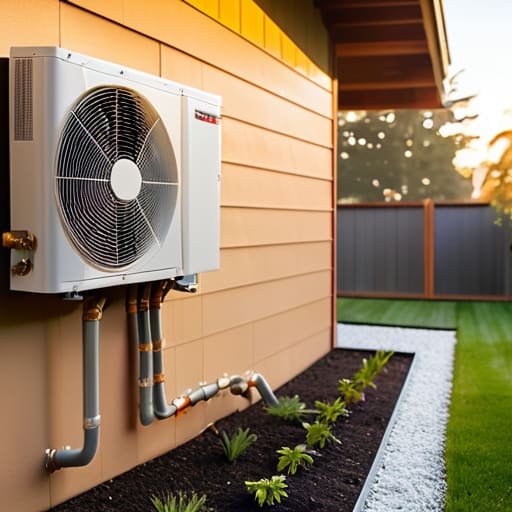
At the end of the day, a heat pump isn’t some magical, futuristic device; it’s just a more efficient way to move heat around your house instead of burning fuel to create it. You now know that while they are incredibly effective for lowering your monthly energy bills, they aren’t invincible. They have specific mechanical limits, they struggle when the temperature drops into the extreme negatives, and they require a properly sized installation to actually do what they promise. If you approach the purchase looking at the long-term efficiency rather than just the shiny new hardware, you’ll avoid most of the headaches I’ve seen people run into during my years of troubleshooting home systems.
Transitioning your home’s heating and cooling can feel like a massive, intimidating project, but it doesn’t have to be a leap into the unknown. You don’t need to become a thermodynamics expert to make a smart decision; you just need to understand the trade-offs between upfront costs and long-term savings. Once you get the system settled and the settings dialed in, it should just work in the background, quietly doing its job while you focus on much more important things—like whether or not your sourdough starter is looking a bit sluggish this morning.
Frequently Asked Questions
Is it actually going to be cheaper than my current electric heater or gas furnace?
The short answer is: usually, yes, but don’t expect it to pay for itself by next Tuesday. If you’re moving from an electric baseboard heater, you’ll see a massive drop in your bill because heat pumps move heat rather than creating it. If you’re switching from gas, the math is tighter and depends entirely on your local utility rates. It’s an upfront investment to lower your monthly overhead—just make sure your installer isn’t overpromising.
Can I actually use this if I live somewhere that gets really cold in the winter?
The short answer is yes, but you can’t just buy the cheapest unit on the market and hope for the best. Older models used to give up once the mercury hit freezing, leaving you shivering. Modern “cold climate” models are much better, but they do work harder when it’s bitter out. Just be aware: as the temperature drops, your electricity bill will climb because the machine is fighting a losing battle against the outdoors.
What happens if the power goes out or the unit stops working mid-January?
If the power cuts or the unit dies in the dead of January, you’re in a bit of a spot. Unlike a gas furnace, which can often run on a tiny bit of electricity just to spark the flame, a heat pump is dead without power. If you want a backup, you’ll need a generator or a battery system large enough to handle the load. If it breaks mid-winter, call your tech immediately—parts are harder to find when everyone’s freezing.
