
I spent six years on a helpdesk listening to people explain why their expensive, “smart” gadgets weren’t working, and I see the same pattern happening with home heating. You don’t need a $500 subscription-based thermostat that sends you push notifications every time the humidity shifts by 2% just to learn how to heat a home efficiently. Most of the advice out there is designed to make you feel like your house is a broken piece of software that requires a constant stream of upgrades to function. In reality, you’re usually just fighting against a drafty window or a radiator that’s been air-locked since 2019, and no amount of “AI-driven climate optimization” is going to fix a leaky door seal.
I’m not here to sell you on a lifestyle overhaul or a high-tech ecosystem that locks your data behind a monthly fee. Instead, I want to walk through the boring, practical stuff: checking your boiler’s settings, sealing the gaps you can actually reach, and figuring out which “energy-saving” habits are actually just wasting your time. We’ll look at what actually moves the needle on your bills and, more importantly, what happens to your setup if you decide to stop paying for those fancy smart-home integrations.
Table of Contents
- Draft Proofing Windows and Doors Before You Buy More Fuel
- Insulation and Heat Retention Stop Paying for Warmth You Lose
- Five things to check before you touch the thermostat
- The three things that actually matter
- ## The real cost of a "smart" home
- The bottom line on staying warm
- Frequently Asked Questions
Draft Proofing Windows and Doors Before You Buy More Fuel
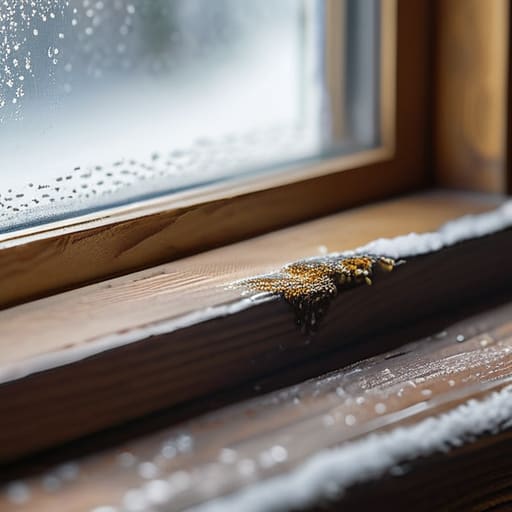
Before you go out and spend hundreds on a new smart thermostat or a fancy heat pump, look at the gaps in your frames. It doesn’t matter how much money you’re pumping into the radiators if that heat is just escaping through the cracks in your window sills. I spent years fixing office setups where the “problem” was just a door that didn’t latch properly, and home heating is no different. Draft proofing windows and doors is the most unglamorous way to start lowering heating costs, but it’s the only one that actually works immediately.
Grab a candle or a stick of incense on a windy day and walk the perimeter of your rooms. If the flame flickers near a window frame, you’ve found your leak. You don’t need a contractor for this; a $10 roll of adhesive foam strip from the hardware store does most of the heavy lifting. Focus on the bottom of external doors and the moving parts of your windows. It’s a bit fiddly to get the strips aligned, but it’s much better than paying to heat the street.
Insulation and Heat Retention Stop Paying for Warmth You Lose
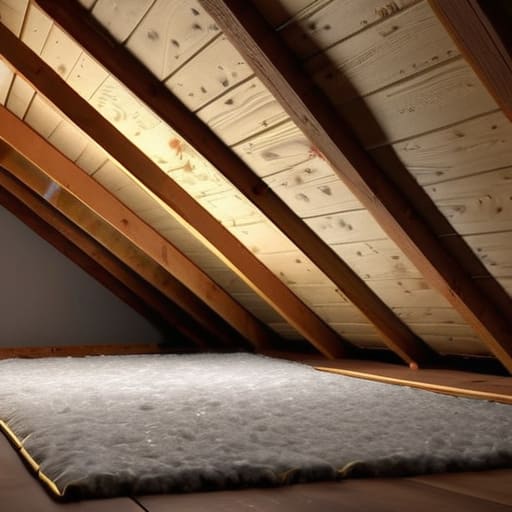
If you’ve already tackled the drafts around your windows, the next step is looking at the stuff behind your walls. You can run the most expensive heater in the world, but if your attic is basically a sieve, you’re just paying to warm the neighborhood. Most people think insulation and heat retention is some massive, expensive renovation project, but it’s often just about finding where the gaps are. If you have a loft, check if the mineral wool is actually covering the joists or if it’s been shoved into a corner by a previous tenant. If it’s thin or patchy, adding a few layers of roll insulation is one of the few home improvements that actually pays for itself in a single season.
It’s also worth checking your floorboards, especially in older houses. If you can feel a chill coming up through the wood in the hallway, that’s heat escaping straight into the crawlspace. It’s a slow, invisible drain on your wallet. I’m not saying you need to rip up the floor, but even some basic underlay can help with lowering heating costs by keeping the warmth where your feet actually are.
Five things to check before you touch the thermostat
- Stop fighting the radiator. If you have a radiator in a room you only use occasionally, turn it down or off entirely. Heating an empty guest room to 21°C just because it’s “on the same circuit” is essentially burning money to warm up air that nobody is breathing.
- Check your radiator’s temperature. If the top is cold but the bottom is hot, you’ve got trapped air. It’s a five-minute fix with a radiator key—it costs about three pounds and stops you from cranking the boiler higher just to compensate for a radiator that isn’t actually working.
- Look at your thermostat’s placement. If it’s sitting in a drafty hallway or right next to a sunny window, it’s lying to you. It’ll think the house is freezing or boiling when it isn’t, causing your heating to cycle on and off like a nervous intern. Move it, or at least get a remote sensor.
- Don’t block your heat sources. I know it looks nice, but putting a heavy sofa or long curtains directly in front of a radiator creates a thermal barrier. The heat hits the fabric and stays trapped against the wall instead of circulating into the room. Give your radiators some breathing room.
- Understand your “smart” settings. If you’ve bought a smart thermostat to save money, check the scheduling. Most people set them to a high temperature for the whole day, which defeats the purpose. Set it to drop significantly when you’re at work or sleeping; if you can’t easily program it, you’re just paying for a fancy clock.
The three things that actually matter
Stop looking for a magic smart thermostat if your house is basically a sieve; fix the drafts and the insulation first, or you’re just paying to heat the street.
Check your radiator settings and bleed the air out of them; if they’re cold at the top, you’re wasting money on a pump that isn’t actually moving heat where it needs to go.
Don’t get sucked into “smart home” ecosystems that require a monthly subscription just to control your heating; stick to hardware that works locally and doesn’t lock your data behind a paywall.
## The real cost of a "smart" home
“Before you go out and buy a fancy new smart thermostat that promises to save you twenty percent on your heating bill, make sure you aren’t just paying a subscription fee to manage a house that’s leaking heat through the floorboards like a sieve. You can’t code your way out of bad insulation, and no app is going to fix a draughty window.”
Saoirse Doyle
The bottom line on staying warm
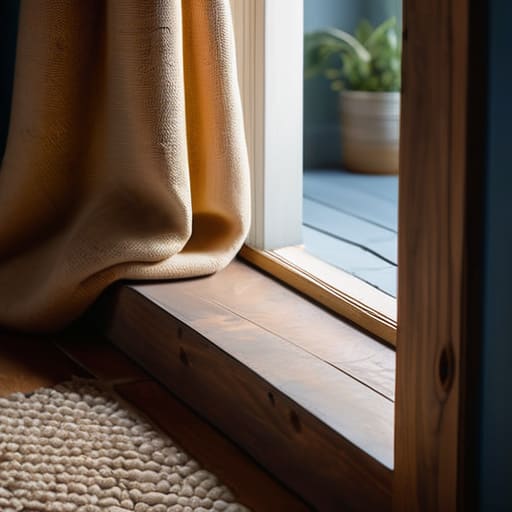
At the end of the day, heating your home efficiently isn’t about buying a smart thermostat that promises to predict your every move; it’s about the unglamorous basics. You can spend a fortune on the latest energy-saving gadgets, but if your heat is leaking through a gap in the window frame or escaping through an uninsulated attic, you’re essentially trying to fill a bucket with a hole in the bottom. Focus on the physical barriers first—the draught excluders, the insulation, and the seals. Once you’ve stopped the heat from escaping, you can actually start to trust your heating system to do its job without feeling like you’re burning money just to stay comfortable.
I know it feels overwhelming when you look at your utility bills and see those numbers climbing, but please don’t fall into the trap of thinking you need a total home renovation to fix it. Most of the time, the solution is just a series of small, boring maintenance tasks that actually work. You don’t need a lifestyle overhaul or a subscription-based “smart home” ecosystem to feel the warmth. Just fix the leaks, check the settings, and stop overcomplicating things. Once your home stops fighting against you, you’ll find you have a lot more mental energy to spend on things that actually matter—like finally getting that sourdough starter to behave.
Frequently Asked Questions
If I decide to get a smart thermostat, will I actually save money or am I just paying for a fancy app that tells me what I already know?
The short answer is: maybe, but don’t expect a miracle. A smart thermostat won’t fix a drafty window, but it stops you from heating an empty house because you forgot to turn the dial down. You’ll save money if you actually use the scheduling features. Just a heads-up: if you stop paying for the premium subscription on some models, you usually keep the basic heating functions, but you’ll lose the fancy data reports and remote control.
What happens to my data and my heating schedule if I stop paying for the subscription service that runs my "smart" radiator valves?
This is exactly why I’m wary of “smart” everything. If you cancel that subscription, most of these valves revert to “dumb” mode. You’ll likely lose your custom schedules, remote control via your phone, and those fancy energy reports. Your heating won’t stop working—it’ll just become a manual knob you have to turn yourself. Before you buy, check if the hardware works offline. If it requires a monthly fee just to remember it’s Tuesday, walk away.
Is it actually worth paying a professional to look at my boiler, or can I just DIY the maintenance myself to save a few quid?
Look, I’m all for DIY, but a boiler isn’t a smart bulb. You can clean the filters and bleed the radiators yourself, but you shouldn’t touch the internal guts. Pay the professional for the annual service. It keeps your warranty valid and, more importantly, ensures you aren’t accidentally turning your kitchen into a carbon monoxide hazard. Think of it as an insurance premium for not having to call an emergency plumber at 3 AM.
