
I spent six years in IT support watching people lose entire databases because they forgot one tiny, boring update, and I see the exact same pattern happening with houses. People treat a home like a static object rather than a machine that requires input, so they end up staring at a burst pipe or a dead HVAC system and asking, “what is a home maintenance schedule actually supposed to look like?**” Most of the advice you’ll find online is written by people trying to sell you a $50-a-month “smart home” subscription or a massive, color-coded planner that you’ll abandon by February. You don’t need a digital ecosystem to manage your property; you just need to know which parts are going to fail and when.
In this guide, I’m skipping the fluff and the expensive apps. I’m going to tell you exactly what needs checking, how much a professional will actually charge you when things go wrong, and—most importantly—what can be done yourself with a screwdriver and twenty minutes. My goal isn’t to help you build a perfect system, but to help you build one that doesn’t get in your way.
Table of Contents
Preventing Costly Home Repairs Without the Fluff
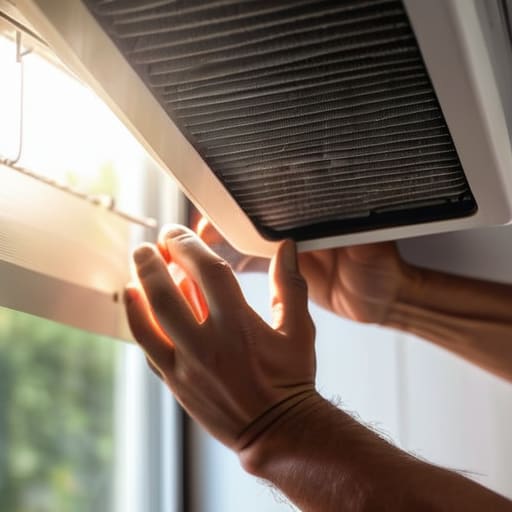
Most people treat home maintenance like a surprise party they never invited themselves to. You only notice something is wrong when there’s water pooling in the hallway or the HVAC unit starts making a sound like a dying blender. My time on the helpdesk taught me that most “emergencies” are actually just neglected routines. You don’t need a complex property management maintenance plan to stay ahead; you just need a handful of seasonal home care tasks that keep the small stuff from turning into a mortgage-sized problem.
The trick isn’t to do everything at once. If you try to tackle a massive annual home inspection checklist every single weekend, you’ll burn out by February. Instead, focus on a simple monthly home upkeep routine—things like checking for leaks under the sink or swapping out air filters. It’s about catching the drip before the floor rots. I’m a big believer in the “set it and forget it” approach, so I keep my tasks low-effort and high-impact. If a task takes more than ten minutes, it probably belongs on a seasonal list, not a monthly one.
A Monthly Home Upkeep Routine That Actually Works

I’m not a fan of the “big annual overhaul” approach because that’s usually when people realize they’ve ignored a leak for eleven months. Instead, I prefer a monthly home upkeep routine that focuses on the stuff you can actually see and touch. Once a month, walk through your house with a flashlight. Check under the sinks for that tiny, slow drip that’s currently turning your cabinet into a petri dish, and peek behind the fridge to make sure the coils aren’t matted with a thick layer of dust. It takes fifteen minutes, but it’s much easier than dealing with a flooded kitchen.
You should also make it a habit to swap out your HVAC filters. I know, it’s the most cliché piece of advice ever, but it’s the literal foundation of preventing costly home repairs on your furnace or AC unit. If you let those filters clog, you aren’t just breathing dust; you’re forcing your expensive machinery to work twice as hard for half the result. Keep a pack of the right size in the utility closet so you aren’t scrambling when the air feels heavy.
Five ways to actually stick to a schedule without losing your mind
- Stop looking for a “perfect” system. Most people spend more time tweaking their digital planners than actually checking their HVAC filters. Pick one place—a physical notebook, a basic Google Calendar, or a single note on your phone—and stay there. If the system is too fiddly, you won’t use it when the water heater starts making that weird knocking sound.
- Group tasks by “energy levels” rather than just months. Some jobs, like cleaning the gutters, require a full Saturday and a ladder; others, like checking smoke detector batteries, take thirty seconds. If you try to schedule five “big” tasks on the same weekend, you’ll end up doing none of them.
- Build a “failure fund” alongside your schedule. A maintenance schedule tells you when to check things, but it doesn’t stop a pipe from bursting on a Tuesday. I always tell people to look at their seasonal tasks and estimate the cost of the parts or the pro they’ll need to call. If you aren’t setting aside a little bit of cash each month, your schedule is just a list of upcoming expenses you can’t afford.
- Learn the “manual override.” Before you buy a smart home system to manage your maintenance, make sure you actually know how to turn off your main water valve or reset your breaker box manually. There is nothing worse than a “smart” maintenance alert telling you something is wrong when you can’t even find the physical shut-off because you relied entirely on an app.
- Keep a “dumb” paper log of what you’ve actually done. Digital logs are great until you lose access to an account or a subscription expires and your data vanishes. A simple folder in a kitchen drawer with dated receipts and a handwritten note saying “replaced water softener salt on Oct 12” is worth more than any premium subscription service when it comes time to sell the house.
The Bottom Line on Keeping Your House Running
Don’t overcomplicate it with expensive software; a simple recurring calendar invite or a physical notebook is enough to track when you last changed your HVAC filters or cleared your gutters.
Focus on the “preventative” stuff that actually costs money when ignored, like checking for slow leaks under sinks or testing your sump pump before the rainy season hits.
Always keep a digital folder of your receipts and manual PDFs, because the moment something breaks, you’ll be scrambling to find out if it’s still under warranty or what part you actually need to order.
The Reality of Maintenance
A home maintenance schedule isn’t some aspirational lifestyle ritual or a way to win ‘House of the Year’; it’s just a list of the small, boring things you do now so you aren’t staring at a flooded basement and a massive repair bill six months from today.
Saoirse Doyle
The Bottom Line

At the end of the day, a home maintenance schedule isn’t about achieving some impossible standard of perfection or buying a dozen smart sensors that will just beep at you until you disable them. It’s about the basics: swapping the filters, checking the seals, and knowing exactly where your main water shut-off is located before a pipe decides to give up. If you can manage to do the monthly tasks and keep a simple list of when you last touched the gutters or the HVAC, you’ve already done more than most. You aren’t trying to build a museum; you are just trying to prevent a crisis that ends with a frantic, expensive call to an emergency plumber on a Sunday night.
Don’t let the sheer scale of everything that can go wrong in a house paralyze you. You don’t need a complex, paid subscription service to track your home’s health; a simple notebook or a basic calendar invite is usually more than enough to keep things running. The goal is to make your home work for you, rather than you spending your entire weekend chasing after it. Start small, stay consistent, and remember that the best maintenance is the kind you do so quietly that you almost forget it’s even happening.
Frequently Asked Questions
Do I really need a digital app for this, or is a physical notebook enough to keep me from forgetting?
Honestly? If you can remember where you put the notebook, use the notebook. I spent six years watching people lose passwords and get locked out of “smart” ecosystems just because they wanted a shiny dashboard. A physical list doesn’t require a subscription, it won’t suffer from a server outage, and your data isn’t sitting on a startup’s cloud. If you do go digital, just make sure you can export your data to a CSV before you cancel the sub.
How much money should I actually be setting aside each month for these inevitable repairs?
The standard advice is to set aside 1% of your home’s value every year, but that’s a math problem, not a reality. If you live in an old Victorian, 1% won’t even cover a leaky pipe. I prefer a more practical approach: track your big expenses for a year, then aim to save roughly 1.5% to 2% monthly. It sounds like a lot, but it beats a sudden, panicked credit card charge when the water heater dies.
What happens if I miss a month—does the whole schedule fall apart, or can I just catch up later?
It doesn’t fall apart. Life happens, and usually, it’s because something more urgent than a furnace filter decided to show up. If you miss a month, don’t try to do a massive “catch-up” weekend; that’s how you burn out and stop doing it altogether. Just look at what’s most critical for the current season, do that, and move on. The goal is steady maintenance, not a perfect streak.
