
I spent six years in IT support, and if there is one thing I learned, it’s that people love to solve simple problems with expensive, unnecessary complexity. Most of the “wellness” influencers online will tell you that learning how to build a bedtime routine requires a $300 weighted blanket, a specific brand of magnesium spray, and a meditative ritual that takes forty minutes of your life you’ll never get back. It’s nonsense. They are selling you a systemic overhaul when what you actually need is just a way to stop your brain from running a dozen open tabs at 11:00 PM.
I’m not here to pitch you a lifestyle makeover or a subscription-based meditation app that’ll charge your card the second you forget to cancel. Instead, I want to talk about the boring, practical reality of how to build a bedtime routine that actually sticks. We are going to look at the low-friction habits that actually signal to your brain that the workday is over, what digital distractions are actually breaking your sleep, and how to set this up so it doesn’t feel like another chore on your to-do list.
Table of Contents
Circadian Rhythm Optimization Without the Expensive Gadgets
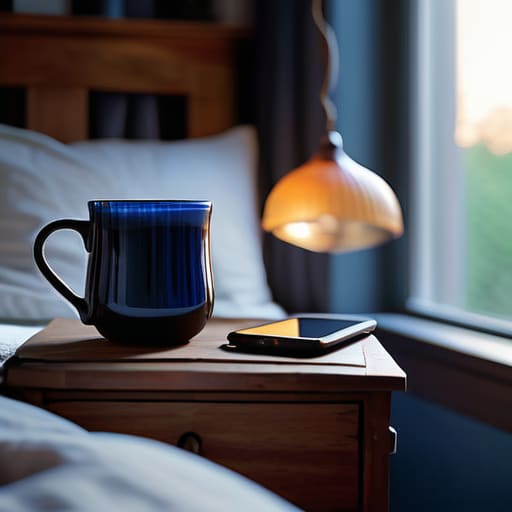
You don’t need a $300 smart lamp or a wearable that vibrates when you sit too long to fix your sleep. Most of the marketing around circadian rhythm optimization is just a way to sell you hardware you don’t actually need. Your body already has a built-in clock; it’s just currently being confused by every bright screen in your house.
The most effective way to support melatonin production naturally is to stop fighting your biology with artificial light. Instead of buying a specialized “sunset simulator,” just start reducing blue light exposure about an hour before you want to be unconscious. This means dimming the overhead lights and putting the phone in another room. If you need light to see, use a small, warm-toned lamp instead of the big light in the ceiling.
Once the lights are low, focus on low-stakes, relaxing evening activities that don’t involve a scrolling feed. Read a physical book, listen to a podcast, or even just fold some laundry. The goal isn’t to find a perfect ritual, but to signal to your brain that the workday is officially over.
Sleep Hygiene Practices That Actually Work for Real People

Most people hear “sleep hygiene” and think they need to buy a $300 weighted blanket or a smart mattress that tracks their REM cycles. You don’t. Real sleep hygiene practices are mostly about removing the friction between your brain and your bed. The biggest offender is almost always the phone. I’m not going to tell you to throw it in another room—that’s unrealistic for most of us—but you should try reducing blue light exposure by at least thirty minutes before you want to be unconscious. If you can’t put the phone away, at least turn on the “Night Shift” mode and lower the brightness until it’s almost unreadable. It’s a small, annoying tweak that actually helps.
Instead of a complex ritual, just pick two relaxing evening activities that don’t involve a screen. For me, it’s reading a physical book or just tidying the kitchen so I don’t wake up to a mess. The goal is to signal to your body that the workday is officially over. This helps with melatonin production naturally, without needing a supplement that leaves you feeling groggy the next morning. Keep it simple, keep it consistent, and don’t overthink it.
Five ways to stop fighting your brain at 11 PM
- Pick a “shutdown” time for your screens, not just a bedtime. It’s much harder to suddenly go from a high-intensity spreadsheet or a doomscrolling loop to “sleep mode” in five minutes. Give yourself thirty minutes where the phone goes on the charger in another room. If you need an alarm, buy a cheap digital clock so your phone isn’t the last thing you touch.
- Stop trying to build a ten-step ritual. If you try to implement a meditation session, a skincare routine, and a journaling habit all at once, you’ll quit by Wednesday. Pick one thing—like reading a physical book or even just dimming the lights—and do that. One consistent, boring habit beats five inconsistent, fancy ones.
- Watch your “liquid caffeine” window. I used to think a coffee at 4 PM was fine because I could still function, but it’s still messing with my sleep architecture later. Try to draw a hard line at 2 PM. If you need something warm in the evening, make it something that doesn’t have a hidden stimulant.
- Control your environment without buying a smart home system. You don’t need an expensive app-controlled lighting setup to fix your room. A simple blackout curtain or a cheap eye mask does the exact same thing for a fraction of the cost, and it won’t stop working the moment you cancel a subscription.
- Write down the “brain dump” list. Most of us stay awake because we’re terrified we’ll forget that one email or that grocery item. Keep a notepad by the bed. If a thought pops up, write it down physically. Once it’s on the paper, your brain can stop looping it.
The short version
Stop buying “sleep trackers” that just end up making you anxious about your data; focus on consistent light exposure and a predictable wind-down time instead.
A routine isn’t a ten-step ritual; it’s just three or four boring, repeatable actions that signal to your brain that the workday is officially over.
If a habit or a piece of tech feels like another chore on your to-do list, it’s not a productivity tool—it’s just more digital noise.
## The truth about "optimal" sleep
Most sleep advice sounds like it was written by someone trying to sell you a $300 smart ring or a subscription to a meditation app; in reality, a good bedtime routine isn’t about adding more tasks to your to-do list, it’s about deciding which digital distractions you’re finally going to stop entertaining.
Saoirse Doyle
The Bottom Line
Look, you don’t need a $300 smart ring or a subscription to a meditation app that tracks your REM cycles to get decent rest. We’ve covered the basics: get your light exposure right during the day, stop treating your phone like a bedtime companion, and find a sequence of small, repeatable actions that don’t feel like a chore. The goal isn’t to build a perfect, rigid architecture of wellness; it’s about removing the friction between your brain and your pillow. If you can manage to do just two of these things consistently—like dimming the lights thirty minutes early and putting your charger across the room—you are already doing better than most.
My advice is to start small and stay boring. If you try to overhaul your entire life on a Tuesday night, you’ll quit by Thursday. Treat your routine like I treat my sourdough starter: it requires a bit of consistency and a predictable environment, but it shouldn’t be the most stressful part of your day. You aren’t trying to optimize your life for a productivity leaderboard; you’re just trying to make sure that when you finally close your eyes, your brain actually knows it’s time to stop working. Build a system that serves you, rather than a system you have to work for.
Frequently Asked Questions
What do I do if my job requires me to work late shifts or irregular hours?
If your schedule is a mess, stop trying to force a “standard” routine. You can’t fight your shift work with a 9-to-5 mindset. Instead, focus on “anchor habits.” Pick two or three things that stay the same regardless of the hour—like a specific dimming of the lights or a particular tea—to signal to your brain that sleep is coming. It’s about creating consistency in the chaos, not forcing a clock that doesn’t exist.
Is it worth buying a sunrise alarm clock, or is a standard one fine?
Look, if you’re hoping a $150 glowing orb will magically fix your sleep, you’re going to be disappointed. A sunrise alarm is basically just a smart bulb with a timer. If you already have smart lights, you can mimic the effect for free. If not, a standard alarm is fine—just don’t use your phone, because that’s a trap. Buy a sunrise clock only if you actually enjoy the aesthetic; otherwise, save the money.
If I miss a night of my routine, do I need to start over from scratch the next day?
No, you don’t need to “reset” like you’re starting a new save file in a game. That’s just more mental clutter you don’t need. If you miss a night, you just pick up where you left off the next evening. One bad night isn’t a system failure; it’s just a data point. Don’t punish yourself with a “perfect” routine tomorrow to make up for it. Just do the basics and move on.
