I spent three years of my life watching people try to “optimize” their homes with smart lighting kits and expensive minimalist furniture that looks great in a magazine but feels like sitting in a sterile hospital waiting room. Most of the advice you see online about how to set up a room you actually relax in is just a stealth marketing campaign for things you don’t need. You don’t need a $400 smart lamp that requires a monthly subscription just to dim the lights; you just need a space that doesn’t feel like it’s judging you for sitting on the sofa with a bag of crisps.
I’m not here to sell you a lifestyle or a specific brand of overpriced linen. Instead, I’m going to give you the unfiltered version: how to manage your cables so they aren’t a tripping hazard, how to pick lighting that won’t give you a headache, and how to arrange your stuff so it stays out of your way. We’re going to focus on the practical logistics of comfort, making sure your environment actually works for you rather than giving you another thing to maintain.
Decluttering for Mental Clarity Without the Lifestyle Influencer Nonsense
I’ve spent enough time in IT to know that a messy desktop is just as draining as a messy desk. When your physical space is covered in half-finished projects, random charging cables, and mail you’re too stressed to open, your brain stays in “processing” mode. You aren’t actually relaxing; you’re just idling with too many background apps running. Decluttering for mental clarity isn’t about achieving that sterile, museum-like look you see on Instagram; it’s about removing the visual noise that forces your brain to constantly scan for “to-do” items.
The trick is to focus on functional surfaces first. Clear off your nightstand and your main seating area. If you can’t see the surface of the table, you haven’t finished cleaning. You don’t need a complete overhaul or a weekend spent throwing away everything you own. Just get the things that demand your attention—the pile of laundry, the stack of tech manuals, the loose change—out of your direct line of sight. If it doesn’t help you sit down and breathe, it’s just digital-age clutter masquerading as decor.
Using Color Psychology in Home Decor to Stop the Visual Noise
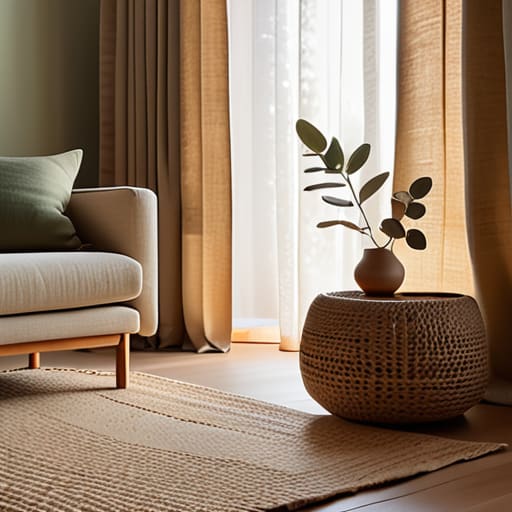
Most people treat color like they’re picking a flavor of ice cream, but in a room meant for downtime, it’s more like setting the background noise on a laptop. If you pick a high-contrast, high-energy palette, your brain stays in “processing mode” even when you’re trying to lie down. I’m not suggesting you live in a beige box—that’s just depressing—but understanding color psychology in home decor is about reducing the amount of work your eyes have to do. If you have a room where you actually need to shut down, lean toward desaturated tones. Think sage, dusty blues, or even a warm grey. These colors don’t demand your attention; they just sit there quietly.
The real mistake I see is people trying to use “accent walls” to fix a room that feels chaotic. An aggressive navy wall in a small space doesn’t make it “sophisticated”; it just makes it feel like the walls are leaning in. If you want to focus on sensory design for relaxation, aim for a low-contrast environment. When the colors of your walls, curtains, and large furniture are in the same general family, the visual “static” disappears. It’s not about being a designer; it’s just about making sure your environment isn’t constantly asking you to look at something new.
Five ways to stop your room from working against you
- Fix your lighting before you buy a new lamp. If you’re sitting under a single, aggressive overhead light, you’re going to feel like you’re in an interrogation room, not a sanctuary. Get a couple of warm-toned lamps for the corners and stop relying on the “big light.” It’s a cheap fix that changes the entire mood of the room instantly.
- Hide your cables or just accept the mess. Nothing ruins a calm corner like a “spaghetti monster” of black wires trailing behind your desk or nightstand. You don’t need expensive cable management kits; just get some Velcro ties or a cheap plastic box to tuck them into. If you can see the wires, your brain is subconsciously tracking the clutter.
- Audit your “active” surfaces. We all have that one chair or that one corner of the desk where mail, receipts, and half-empty glasses go to die. Pick one designated spot for the chaos, but keep the surfaces where you actually sit or rest clear. If you can’t see the surface of your table, you won’t feel like you can relax.
- Choose furniture that actually fits the scale of the room. I see people buy these massive, overstuffed velvet sofas for tiny apartments because they look great in catalogs, but then they have to shimmy sideways just to walk past. Measure your floor space twice. A room feels relaxing when there is actual physical space to move through it.
- Watch out for the “subscription trap” of smart home tech. It’s tempting to buy those smart bulbs that change color with your mood, but check the fine print first. If the lights require a monthly subscription to access the “relaxation” presets, or if they stop working entirely when the company’s servers go down, you haven’t bought a tool—you’ve bought a future headache. Stick to simple, reliable tech.
The bottom line
At the end of the day, setting up a room for relaxation isn’t about buying a specific shade of sage green or owning a minimalist desk. It’s about removing the friction. We’ve talked about clearing out the physical clutter that trips you up every morning, picking colors that don’t make your eyes twitch, and making sure your space actually serves your brain instead of demanding more of your attention. If you can look around your room and not immediately feel the urge to fix something or move something, you’ve already won. It’s not about perfection; it’s about making sure your environment is a tool for rest rather than another item on your to-do list.
Don’t feel like you need to overhaul everything this weekend. Most people fail at this because they try to treat their home like a Pinterest board instead of a living space. Start with one corner, one drawer, or one lightbulb that’s been flickering for three months. You don’t need a lifestyle overhaul to feel better; you just need a space that stops getting in your way. Once you get the basics right, you’ll find you spend less time managing your stuff and more time actually enjoying the quiet. Just keep it simple, keep it functional, and stop overthinking it.
If you’re looking to actually change how a room feels, stop looking at expensive furniture catalogues and start looking at your lighting. Most people default to that one harsh overhead light that makes a bedroom feel like a hospital ward, but the real trick is layering. I usually suggest getting a couple of smart bulbs or even just some decent floor lamps so you can control the intensity. If you want to dive deeper into how different setups affect your mood, I’ve found some decent guides on gratissex online that explain the basics of ambiance without making it sound like a lifestyle overhaul. It’s mostly about minimizing the glare and ensuring you have a way to dim things down when you’re actually trying to switch off for the night.
