I spent six years in IT support, and if there is one thing I learned, it’s that people will spend hundreds of pounds on “smart” gadgets to solve a problem that is actually just basic physics. I see these ads for high-tech acoustic panels that look like something out of a sci-fi film, promising to turn your flat into a recording studio. It’s mostly nonsense. If you are trying to figure out how to reduce noise between rooms, you don’t need a subscription-based white noise machine or expensive foam hexagons that peel off your paint after a week. Most of the time, the sound isn’t coming through the wall; it’s leaking through the gap under your door or a hollow cavity you didn’t even know existed.
I’m not here to sell you a lifestyle or a fancy new piece of hardware. I want to give you the boring, effective version: what to buy, what actually stops the sound, and which “solutions” are just a complete waste of money. We’re going to look at the physical gaps, the weight of your materials, and the actual cost of fixing the problem. No hype, just the steps to make your home feel like yours again.
Table of Contents
Blocking Airborne Noise Without Breaking Your Budget
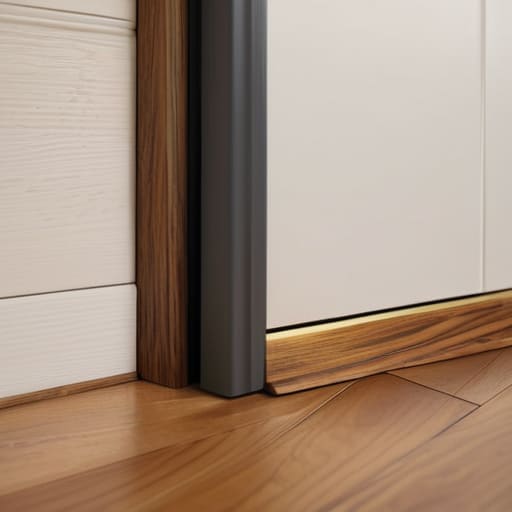
Most people think they need to tear down their drywall to fix a noise issue, but usually, you’re just dealing with air gaps. When we talk about blocking airborne noise—that annoying sound of a TV or a conversation drifting through the air—the easiest fix is finding where the air is moving. If air can get through, sound will follow it like a guided tour. I always start with the door. Most interior doors are hollow-core, which is essentially a drum for sound, but even a solid door won’t help if there is a massive gap at the bottom. Investing in some decent soundproofing door seals or a heavy draft stopper is the cheapest way to see an immediate difference without hiring a contractor.
If the door isn’t the culprit, you might need to look at the walls themselves. You can use acoustic panels, but let’s be clear: those are mostly for stopping echoes inside a room, not for stopping your neighbor’s music from coming through. To actually dampen the sound traveling through the structure, you’re looking at adding mass. This might mean heavy bookshelves filled with books or even specialized acoustic insulation techniques like adding a layer of mass-loaded vinyl behind a tapestry. It’s a bit fiddly, but it beats living in a constant state of distraction.
Soundproofing Materials for Walls That Actually Do Something
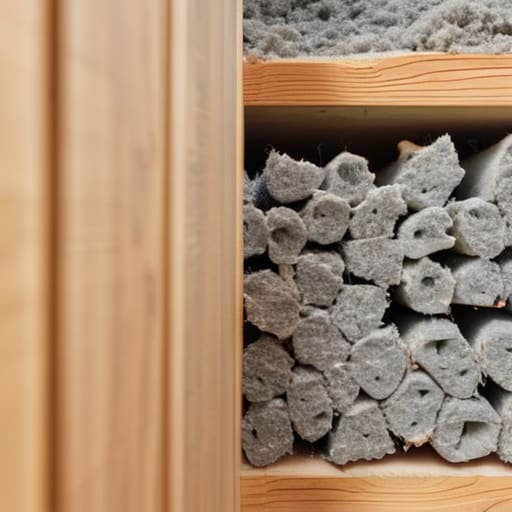
If you’re looking at your walls and realizing they’re basically made of tissue paper, you have two choices: you can add mass, or you can dampen vibration. Most people think they need to glue expensive foam triangles to every inch of drywall, but that’s mostly just for echoes inside the room. To actually stop sound from traveling through the structure, you need soundproofing materials for walls that have some actual weight to them. Mineral wool—often called Rockwool—is the standard here. It’s denser than the pink fiberglass stuff you find at big-box stores, and it does a much better job of filling the cavities between your studs to stop sound from leaking through the hollow gaps.
If you aren’t ready to tear the drywall off, you can look into “green glue” or specialized acoustic compounds to sandwich between layers. It’s a bit of a mess to apply, but it works by converting sound energy into tiny amounts of heat. Just a heads-up: if you decide to go the heavy route with extra layers of drywall, make sure your existing studs can actually handle the weight before you start hammering.
Five ways to quiet things down without a full renovation
- Seal the gaps. If air can move between rooms, sound will too. Most of the time, you aren’t fighting through a wall; you’re fighting a gap under the door or a hollow space around a window frame. Buy some heavy-duty weatherstripping or a door sweep—it’s cheap, it takes ten minutes to install, and it actually works.
- Use mass to kill the vibration. Thin, hollow doors are basically drums for your neighbor’s TV. If you can’t replace the door, hang a heavy acoustic blanket or even just a thick, velvet curtain over it. It’s not pretty, but adding mass is the only way to stop low-frequency sounds from vibrating through the wood.
- The bookshelf trick. If you have a particularly loud shared wall, push a heavy, floor-to-ceiling bookshelf against it and pack it tight with books. It’s an old-school way of adding “mass” to the wall. Just don’t expect it to work if the shelf is half-empty; it needs the weight to actually dampen the sound.
- Soften the “bounce.” If your room is echoey, every little noise is going to feel amplified. Rugs, cushions, and fabric wall hangings aren’t just for interior design; they absorb the sound waves that would otherwise bounce off hard surfaces. If you have hardwood floors, get a rug. It’s a simple fix that prevents noise from ricocheting.
- White noise as a buffer. Sometimes you can’t stop the sound from coming in, so you have to mask it. A dedicated white noise machine is better than a phone app because it’s consistent and doesn’t require a subscription to keep the sound running. It creates a steady floor of sound that makes sudden spikes—like a door slamming or a loud conversation—less jarring to your brain.
The short version: what’s worth your time
Focus on the gaps first; if air can move between rooms—under a door or through a vent—sound will follow it, making expensive wall treatments a waste of money.
Mass is your friend for blocking sound, so if you’re buying materials, look for density rather than just “fluffy” foam that’s mostly for echoes.
Before you commit to a permanent fix, try the “soft goods” approach with heavy curtains or bookshelves to see if it solves enough of the problem to justify a bigger project.
The reality of soundproofing
“People spend hundreds on fancy acoustic foam that looks like a spaceship, but they forget that sound is basically just air looking for a way in; if you haven’t sealed the gap under your door or the crack around your window, you’re just decorating a sieve.”
Saoirse Doyle
The reality check
At the end of the day, there isn’t a single magic product that will turn your apartment into a recording studio. If you’ve gone the route of heavy curtains and door sweeps, you’ve tackled the low-hanging fruit of airborne noise. If you’ve actually gone through the effort of adding mass to the walls or decoupling the studs, you’ve done the heavy lifting. Just remember that sound is like water; it will find the smallest gap, whether that’s a poorly fitted window frame or a shared ventilation duct. My advice is to start with the gaps before you go buying expensive acoustic foam that mostly just serves as a dust magnet. Fix the obvious leaks first, and you’ll likely find that the “unbearable” noise becomes something you can actually tune out.
Don’t let the endless rabbit hole of acoustic engineering make you feel like your home is a failure. Most of the “perfectly silent” setups you see online are curated by people with much bigger budgets and much less need for a functional life. You don’t need a soundproof bunker; you just need a space where you can hear your own thoughts or focus on a task without feeling like your neighbor is in the room with you. Focus on the incremental wins, settle for a significant improvement rather than perfection, and get back to living in your house.
Frequently Asked Questions
If I add heavy curtains or acoustic panels, will they actually stop the bass from a neighbor's TV, or are they just for high-pitched sounds?
Short answer: No. Curtains and foam panels are great for stopping that high-pitched “clatter” or echo in a room, but they won’t touch the bass. Low-frequency sound—that thumping vibration from a neighbor’s subwoofer—travels through the structure of your house, not just the air. You can hang the thickest velvet curtains in the world, but that bass will still vibrate right through your floor and walls. To stop the thud, you need mass and decoupling, not fabric.
Is it worth buying those expensive "soundproof" door seals if the noise is coming through the actual wall?
Short answer: No. If the noise is vibrating through the drywall, a rubber seal around your door is just expensive decoration. Door seals are for airborne noise—things like voices or a TV in the next room. If you can hear the bass from a neighbor’s subwoofer or the thud of footsteps, that’s structural vibration. You can spend fifty quid on the best seals in the world, but the sound will just find the path of least resistance through the studs.
What happens to the resale value of my place if I decide to go the heavy-duty route and actually change the wall structure?
If you’re talking about ripping out drywall to add mass-loaded vinyl or extra studs, you’re moving from “decorating” to “renovating.” Generally, structural changes don’t hurt resale, provided they’re done to code. In fact, a sound-dampened home office is a massive selling point right now. Just don’t get cute with non-standard layouts. If a buyer sees a wall that looks like it was built by someone who didn’t understand load-bearing physics, they’ll run.
