
I was halfway through a delicate quarterly review with my manager when my neighbor decided that 10:00 AM on a Tuesday was the optimal time to operate a heavy-duty leaf blower. I sat there, frozen, watching my boss’s eyes dart toward my microphone, praying the noise-canceling software I’d spent forty quid on would do its job. It didn’t. That was the moment I realized that learning how to soundproof a home office isn’t about buying those ugly, grey foam triangles you see in every “pro streamer” advertisement; it’s actually about understanding how sound leaks through the gaps you’ve been ignoring for years.
I’m not going to tell you to spend three grand on professional acoustic renovation. Instead, I want to show you the stuff that actually works—and the stuff that is a complete waste of money. We’ll look at the difference between absorbing echo and actually blocking noise, which heavy curtains are worth the investment, and how to seal a door without making it impossible to open. I’ll also tell you exactly which “soundproofing” gadgets are just expensive paperweights so you can keep your budget for something useful, like better coffee.
Table of Contents
- Step-by-Step Instructions
- Why Acoustic Foam Installation Is Mostly a Waste of Money
- Blocking External Noise Without Rebuilding Your Entire House
- Five things that actually move the needle (and two that don't)
- The bottom line on quiet spaces
- The truth about quiet
- The reality of a quiet room
- Frequently Asked Questions
Guide Overview
Tools & Supplies
- Measuring tape for room dimensions
- Utility knife for cutting foam
- Level to ensure straight application
- Acoustic foam panels (12-24 pack)
- Weatherstripping rolls (2-3 rolls)
- Door sweep (1 unit)
- Heavy blackout curtains (1 pair)
Step-by-Step Instructions
- 1. Start with the gaps, not the walls. Most people think they need to spend hundreds on foam panels, but sound is like water—it finds the smallest hole and pours through. Check the gap at the bottom of your door; if you can see light, you can hear a lawnmower. Buy a heavy-duty door sweep or even just a weighted draft stopper. It’s a five-minute fix that does more than a dozen cheap foam triangles ever will.
- 2. Address the glass. Windows are basically holes in your soundproofing. If you have thin, single-pane glass, you’re essentially broadcasting your meetings to the street. You don’t need to replace the window, but you should invest in blackout or thermal curtains. They need to be heavy and thick. When you pull them shut, they act as a buffer to catch the vibrations before they hit the room.
- 3. Soften the hard surfaces. If your office has hardwood floors and bare walls, every time you click your mouse or tap a key, the sound bounces around like a pinball. This is “reverberation,” and it makes you sound like you’re in a bathroom on a Zoom call. Throw down a thick area rug and, if you can, hang some canvas art or even a decorative tapestry. It breaks up the flat surfaces so the sound has nowhere to bounce.
- 4. Tackle the “echo chamber” effect with bookshelves. If you have a wall that shares a space with a noisy hallway or a loud family member, move your bookshelf there. A shelf packed with books of different sizes is a fantastic, accidental sound diffuser. It adds mass to the wall, which is the only real way to stop sound from actually passing through the structure.
- 5. Manage your microphone placement. This isn’t about the room, but it’s about how you interact with it. If you’re using a built-in laptop mic, it’s going to pick up everything from your cooling fan to your neighbor’s dog. Get a decent external USB microphone and, if possible, use a boom arm to get it closer to your mouth. The closer the mic is to your voice, the lower you can set the input gain, which means the mic becomes “deaf” to the background noise.
- 6. Consider the “subscription trap” of noise-canceling tech. You’ll see plenty of software promising to “erase” all background noise via AI. These can be great, but be careful with the ones that require a monthly fee just to keep your audio clean. Before you sign up, check if your hardware (like a decent headset) or free software like Krisp has a functional free tier. Don’t pay a recurring monthly fee for something your hardware should be able to handle.
Why Acoustic Foam Installation Is Mostly a Waste of Money
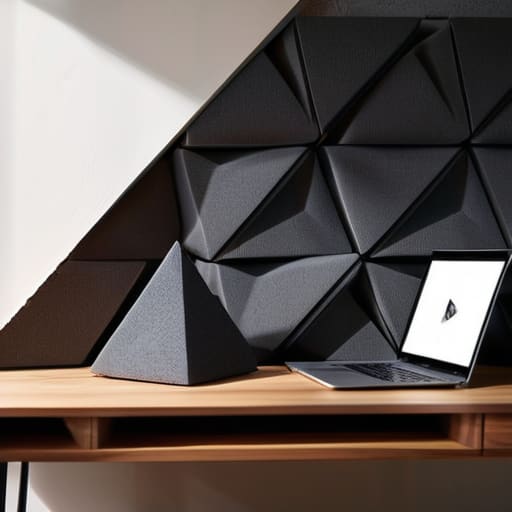
If you’ve spent any time scrolling through tech setups on YouTube, you’ve seen them: those dark, pyramid-shaped foam squares covering every inch of a wall. I’m going to save you the shipping costs and tell you right now that acoustic foam installation is almost never the solution to your actual problem. Most people think they need to block the sound of a neighbor’s leaf blower, but foam is designed to absorb high-frequency reflections, not to stop sound from traveling through a wall. It won’t do a single thing for blocking external noise. It just makes your office look like a budget recording studio from 2004.
If your goal is actually reducing echo in small rooms, you’re better off looking at what you already own. A thick rug, a bookshelf filled with unevenly sized books, or even a heavy fabric sofa will do more for your audio quality than a dozen cheap foam tiles. If you’re looking for real soundproofing budget tips, focus on mass and density. You need weight to stop sound waves, and foam is essentially just fancy, lightweight sponge. If you want to fix the room, fix the gaps and the surfaces; don’t just glue colorful bits of plastic to the drywall.
Blocking External Noise Without Rebuilding Your Entire House
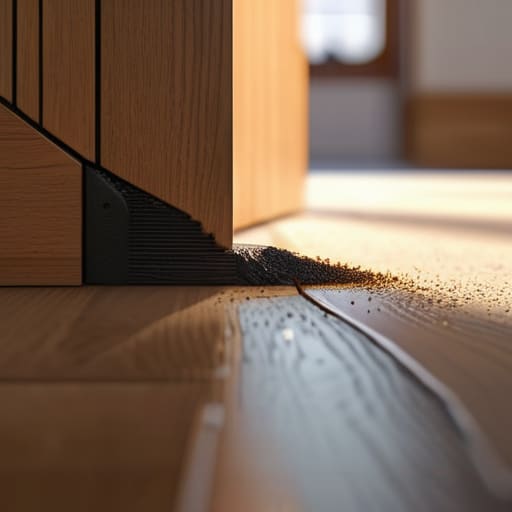
If you aren’t planning on ripping the drywall out to add insulation, you have to accept that you aren’t actually “soundproofing”—you’re just managing the chaos. Most of the noise you hear isn’t coming through the solid parts of the wall; it’s leaking through the gaps. The easiest way to start blocking external noise is to treat your room like a bucket with a hole in it. Check your door frame. If you can see light coming through the edges when the door is closed, sound is pouring through those gaps like water. A simple, thick rubber weatherstripping seal costs about ten quid and does more for your focus than any expensive gadget.
When it comes to windows, don’t bother with those thin, decorative acoustic curtains you see in ads. They look nice, but they’re mostly theater. If you want actual results, look for soundproofing window treatments that are specifically labeled as “blackout” and heavy. The goal is mass. You want something dense enough to physically obstruct the sound waves. It’s not a perfect fix, and your neighbor’s leaf blower will still find a way in, but it’s a much better way to spend your money than buying more useless foam.
Five things that actually move the needle (and two that don't)
- Seal the gap under your door with a heavy draft stopper. Most of the noise from the rest of the house isn’t coming through the walls; it’s pouring through that half-inch gap at the floor like water. It’s cheap, it takes ten seconds to install, and it’s more effective than any fancy paneling.
- Check your window seals before buying anything else. If you can feel a breeze, you can hear a car engine. A bit of weatherstripping or even just a heavy, floor-to-ceiling blackout curtain will do more to dampen street noise than a $50 piece of foam stuck to your wall.
- Use “soft” surfaces to kill the echo. If your office is just a desk, a chair, and a hard floor, you’re basically sitting inside a drum. Throw down a thick rug and maybe a fabric sofa or even just a few bookshelves filled with books. It breaks up the sound waves so your voice doesn’t bounce back into the mic.
- Don’t rely on “noise-canceling” software as a permanent fix. Apps like Krisp are great for masking a leaf blower during a meeting, but they aren’t soundproofing; they’re digital band-aids. If you stop paying the subscription, you’re back to hearing every single distraction in real-time.
- Position your desk away from shared walls. If your office shares a wall with a noisy kitchen or a hallway, move your setup to the opposite side of the room. It’s a zero-cost solution that puts physical distance between you and the source of the vibration.
The bottom line on quiet spaces
Skip the fancy acoustic foam; focus on heavy fabrics like curtains and rugs to kill the echo, and use physical mass like bookshelves to block sound from traveling through walls.
Before you buy any hardware, check if it has a “noise cancellation” feature that actually works, but remember that even the best software can’t fix a window that doesn’t seal properly.
Most soundproofing is a one-time physical fix, so avoid expensive monthly “noise masking” subscriptions that just add more digital clutter to your life.
The truth about quiet
Most people think soundproofing is about buying fancy foam panels to stick on the walls, but it’s actually just about finding where the air is moving; if air can get through a gap under your door, so can your neighbor’s leaf blower.
Saoirse Doyle
The reality of a quiet room

At the end of the day, soundproofing isn’t about achieving a vacuum-sealed void; it’s about making the environment tolerable enough that you can actually think. We’ve covered the basics: skip the expensive acoustic foam that only stops echoes, focus on adding mass with heavy curtains or bookshelves to block the street noise, and plug those literal gaps under your door with a simple draft stopper. You don’t need a professional studio budget to get a significant result. Just remember that managing sound is a game of layers, not a single magic purchase. If you fix the gaps and dampen the hard surfaces, you’ve already done more than most people bother to do.
Don’t get caught in a loop of buying new gadgets or expensive software to “cancel” the noise if your physical space is working against you. The best setup isn’t the one that looks like a high-end podcast studio on Instagram; it’s the one that lets you finish your work without wanting to throw your headset at the wall. Once you have the basics sorted, stop tinkering. Your office should be a place where you get things done, not a permanent DIY project that keeps you from actually doing the work. Get the noise under control, get your files organized, and then go enjoy the quiet.
Frequently Asked Questions
What happens to the air quality or temperature in my room if I seal all the gaps around the door?
If you seal every single gap, you’re basically turning your office into a thermos. It’ll hold the heat in during winter, which is nice, but it also traps the stale air. Without any airflow, CO2 levels rise—which is a fancy way of saying you’ll start feeling groggy and lose focus by 2 PM. I usually recommend a door sweep rather than a total airtight seal; you want to block the noise, not suffocate your productivity.
If I decide to stop using a specific soundproofing product, like heavy acoustic curtains, is it easy to clean or do they just become dust magnets?
To be honest, they are absolute dust magnets. Because they’re heavy and textured, they catch everything—skin cells, pet hair, and whatever’s floating in your HVAC system. If you go this route, don’t buy the cheap, thin ones; get something substantial that can handle a heavy steam clean or a vigorous vacuuming once a month. If you don’t keep up with it, your “quiet” office will eventually just smell like a dusty attic.
Is there a way to dampen the sound of my mechanical keyboard so my family doesn't think I'm typing on a jackhammer?
If you’ve gone for those clicky blue switches, you’ve basically bought a tiny percussion instrument. You can try a desk mat—a thick, felt or rubber one helps stop the vibration from traveling through the wood—but that’s a band-aid. The real fix is swapping your keycaps for thicker PBT ones or, if you’re feeling brave, getting a set of “silent” switches. It’s a bit of a project, but it beats the “jackhammer” lectures.
