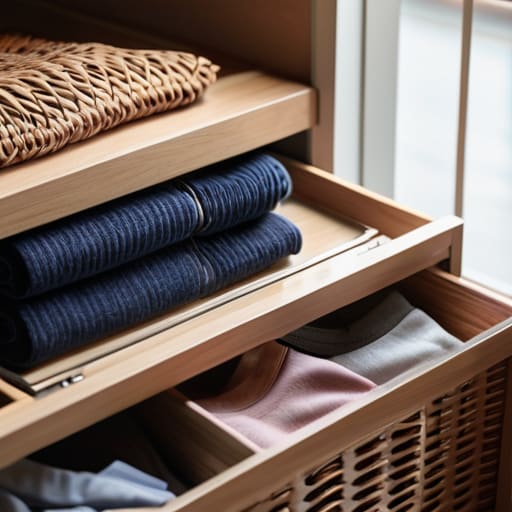
I spent most of my twenties watching people buy expensive, aesthetic acrylic dividers and velvet hangers, thinking those little plastic bits would magically solve their clutter problems. It’s a lie. You don’t need a curated lifestyle aesthetic to figure out how to organise a small wardrobe; you just need to stop trying to force a massive collection of “maybe one day” clothes into a space that physically cannot hold them. Most productivity influencers will try to sell you a new modular shelving system, but the truth is that clutter is usually just a lack of boundaries between what you actually wear and what you’re just holding onto out of guilt.
I’m not going to suggest you spend a fortune on fancy bins that will just end up buried under a pile of laundry. Instead, I’m going to give you the unvarnished version: how to sort your stuff, which storage tools are actually worth the money, and how to make a tiny closet actually work for you without the constant headache. We’ll focus on the practical steps that keep your clothes visible and your morning routine from turning into a frantic search for a matching sock.
Table of Contents
Decluttering Clothing Tips for People Who Hate Wasting Time
If you’re like me, you don’t want a weekend-long “transformation project” that leaves you exhausted and surrounded by piles of fabric. You just want the mess to go away. The most efficient approach is to stop treating every piece of clothing like a precious relic. I used to keep things “just in case,” but that’s just clutter in disguise. Instead, try the one-touch rule: if you pick an item up to move it, decide right then if it stays or goes. If you haven’t worn it in a year, it’s not a “maybe” anymore; it’s a “no.”
Don’t get bogged down in the emotional weight of a shirt you bought on holiday in 2014. Focus on the utility. If you’re looking for quick decluttering clothing tips that actually work, focus on volume over sentiment. Once you’ve thinned the herd, you can actually start looking at space saving closet hacks like slim velvet hangers, which give you more room without the extra bulk. The goal isn’t to have a perfect aesthetic; it’s to make sure you can actually see what you own.
Minimalist Closet Organization Keep What Actually Works
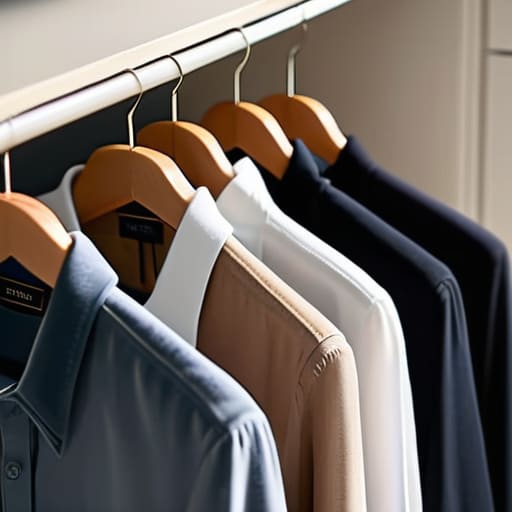
Once you’ve finished the heavy lifting of getting rid of the stuff you don’t wear, the goal is to stop the clutter from creeping back in. Minimalist closet organization isn’t about owning twenty white t-shirts; it’s about making sure the clothes you actually like are easy to find. I used to see people buy these elaborate, expensive modular systems that required a degree in engineering to assemble. Don’t do that. Instead, focus on vertical storage solutions like slim velvet hangers. They take up half the space of those chunky plastic ones and keep your shirts from sliding onto the floor every time you open the door.
If you have a tiny space, you have to stop treating your closet like a graveyard for last year’s trends. I’m a big fan of using seasonal clothing storage—get those heavy wool jumpers into vacuum bags or a bin under the bed the second the weather turns. It keeps your main hanging space clear for what you’re actually wearing today. If it’s not in your immediate rotation, it shouldn’t be fighting for real estate in your daily view.
Five ways to stop your clothes from fighting you
- Use slimline velvet hangers. If you’re still using those thick plastic ones or the wooden ones from your parents’ house, you’re wasting about a third of your hanging space on nothing. Velvet hangers keep everything from sliding off and let you fit twice as much in the same rail.
- Stop buying “storage bins” for things you don’t use. Most of these fancy acrylic organizers just become expensive graveyards for things you’re too lazy to sort. If you can’t see it or reach it without a ladder, it’s not organized; it’s just hidden.
- Vertical folding is your best friend. If you use drawers, stop stacking clothes in tall piles. You’ll never see the bottom shirt again, and you’ll end up digging through the pile and making a mess every morning. Fold them so they stand up like files in a cabinet; you see everything at once.
- Utilize the “dead space” above your hanging rail. Most people leave six inches of empty air between their clothes and the shelf. Get some simple, sturdy fabric bins for your off-season stuff—like heavy jumpers in summer—and slide them up there. It keeps the bulk out of your daily rotation.
- The “one-in, one-out” rule isn’t a suggestion, it’s a survival tactic. If you have a small wardrobe, your capacity is a fixed number. If you buy a new sweater, an old one has to go. If you don’t do this, you’ll eventually reach a point where you’re just shoving clothes into a crowded space, which is how things get wrinkled and ruined.
The bare essentials for keeping it tidy
Stop buying “space-saving” hangers that cost a fortune; just get a pack of decent, slim velvet ones so your clothes actually stay on the rail without taking up double the room.
If you haven’t worn it in a year, it’s not “potential” clothing, it’s just clutter—get it out of the wardrobe so you can actually see the stuff you actually use.
Don’t get caught in a subscription trap with fancy organization apps or digital wardrobe trackers; if you can’t manage your clothes with a simple physical layout, an app isn’t going to fix the mess.
The reality of small spaces
A tiny wardrobe isn’t a puzzle you need to solve with more expensive velvet hangers or specialized bins; it’s just a math problem. If you have more clothes than you have inches of rail, no amount of clever organizing is going to stop you from feeling frustrated every single morning.
Saoirse Doyle
The point of all this
At the end of the day, organizing a small wardrobe isn’t about achieving some Pinterest-perfect aesthetic or buying a matching set of expensive velvet hangers. It’s about the logistics of your morning. It’s about making sure that when you’re running ten minutes late, you aren’t digging through a pile of “maybe” clothes just to find that one decent shirt. We’ve covered the basics: clear out the stuff that doesn’t fit, stick to a simple layout that actually works for your habits, and stop letting the clutter dictate your mood. If you can keep the things you actually wear within arm’s reach, you’ve already won the battle.
I know it feels like a massive chore, especially when you’re staring at a mountain of fabric that seems to have a mind of its own. But remember, your wardrobe is a tool, not a museum. It’s there to serve you, not the other way around. Once you stop trying to force a massive collection into a tiny space, you’ll realize that having less stuff actually gives you more mental bandwidth for the things that matter. So, grab a bag, pick one shelf, and just start there. You don’t need a total life overhaul; you just need a closet that stops getting in your way.
Frequently Asked Questions
What do I actually do with the clothes I'm keeping but haven't worn in a year?
If you haven’t touched it in a year, it’s not a “staple”—it’s just taking up physical space you can’t afford. If you’re keeping it because it’s expensive, stop. That’s a sunk cost. Move them to a dedicated “maybe” bin in a different room. If you don’t reach for them in another three months, donate them or sell them. If it’s a digital tracking thing, just tag them as “seasonal” so they stop cluttering your daily view.
Is it worth spending money on those fancy velvet hangers, or am I just falling for marketing?
Honestly? It’s mostly marketing, but there is a functional logic to it. Velvet hangers are great because they stop silk tops from sliding onto the floor, which saves you the annoyance of cleaning them up later. They also keep everything slim, so you actually see what you own. If you have a lot of slippery fabrics, they’re worth the small investment. If not, just stick to sturdy wooden ones and save your money.
How do I organize a wardrobe if I don't have any built-in shelving at all?
If you’re staring at a blank wall where a closet should be, stop trying to find “hidden” storage and just lean into modularity. Get a sturdy, heavy-duty clothing rack—don’t buy the cheap flimsy ones that tilt when you hang a coat—and pair it with a stackable plastic drawer unit. It’s not as pretty as built-in shelving, but it’s cheap, it moves when you move, and it actually works.
