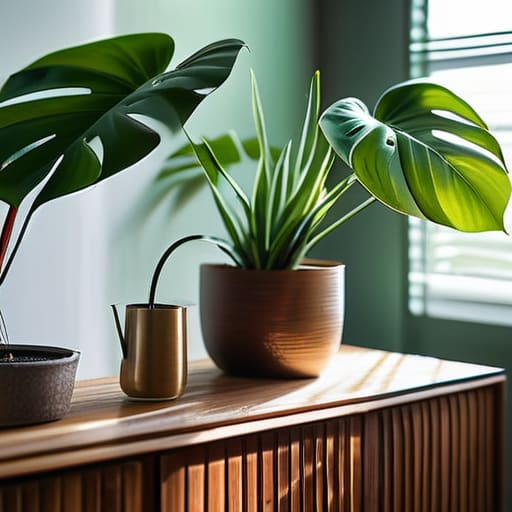
I spent most of my twenties in a windowless server room, so when I finally moved into a place with actual sunlight, I thought I’d become a natural gardener overnight. I fell for the same trap most people do: buying those expensive, designer ceramic pots with zero drainage and “specialty” nutrient sprays that cost more than my weekly groceries. I quickly learned that most advice on how to look after houseplants is designed to make you feel like you’re failing so you’ll keep buying more stuff. The truth is, your fiddle leaf fig isn’t dying because you lack a “green thumb”; it’s probably dying because you’re treating it like a high-maintenance software update instead of a living thing that just wants a predictable routine.
I’m not here to sell you a subscription to a plant-care app or tell you that you need a humidity-controlled greenhouse to survive. My goal is to give you the unvarnished version of plant care: how to tell if the soil is actually dry, which cheap tools are worth the five pounds, and which “must-have” gadgets are just expensive clutter. We’re going to focus on systems that actually work so you can stop worrying about whether your monstera is about to expire.
Table of Contents
Finding the Best Soil for Houseplants Without Wasting Money
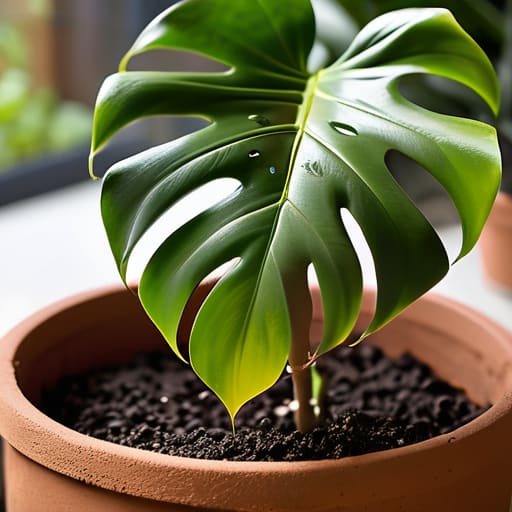
Most people walk into a garden center, see a bag labeled “Premium Indoor Potting Mix,” and assume it’s the holy grail. It usually isn’t. You’re often paying a 40% markup for fancy packaging and a bit of extra peat moss. If you want the best soil for houseplants, you don’t need a miracle blend; you need drainage. Most of my old users would come to me complaining about dying plants, only to realize they were essentially growing them in a swamp. If the water sits on top for more than a few seconds, your soil is too dense.
Instead of buying five different specialized bags, buy one decent, basic indoor potting mix and a bag of perlite. Mix them together—roughly three parts soil to one part perlite—and you’ve just built a professional-grade substrate for a fraction of the cost. This simple tweak prevents the most common signs of overwatering by ensuring air actually reaches the roots. It’s a bit more manual labor upfront, but it saves you from the cycle of buying expensive, specialized dirt that still manages to turn your living room into a bog.
Signs of Overwatering and How to Fix the Mess
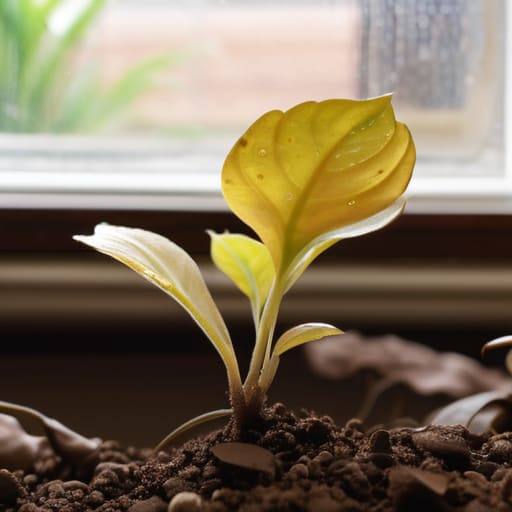
Most people think they’re being “nurturing” when they water their plants every single morning, but usually, they’re just drowning them. The most common signs of overwatering aren’t actually about the leaves looking thirsty; it’s about the roots. If your plant’s soil stays damp for more than a week, or if you notice the leaves turning a weird, translucent yellow and feeling mushy, you’ve gone too far. It’s a slow process, but once the roots start to rot, you’re essentially fighting a losing battle against a foundation that can no longer breathe.
To fix the mess, stop reaching for the watering can and start reaching for a screwdriver. You need to get that plant out of the pot to inspect the root ball. If the roots look black and slimy instead of firm and white, you’ve got root rot. Trim away the dead bits, repot it in fresh, well-draining soil, and let it sit in dry soil for a few days before trying again. It’s a bit of a chore, but it’s much easier than replacing the whole plant in a month.
Five things to do before you buy another plant
- Stop buying the “decorative” pots first. Most of them don’t have drainage holes, which is just a fancy way of inviting root rot to move in. Buy the cheap plastic nursery pot, keep it in the pretty ceramic one, and just lift it out when it’s time to water.
- Get a cheap moisture meter instead of following a calendar. People love “water every Monday” guides, but plants don’t care about your schedule; they care about how dry the soil is. If the meter says it’s damp, leave it alone.
- Light is the one thing you can’t fix with fertilizer. If you put a sun-loving succulent in a dark corner, no amount of expensive organic plant food is going to save it. Figure out which way your windows face before you spend money on anything else.
- Don’t go overboard on the “specialty” nutrients. Most houseplants are perfectly happy with a basic, diluted liquid fertilizer once a month during the spring and summer. You don’t need a five-step chemical regimen; you just need to make sure they aren’t starving.
- Learn to recognize “the slump.” Every plant has a different way of telling you it’s thirsty or unhappy—some droop, some curl, some just look sad. Watch them for a week; once you learn their specific “I’m dying” language, you won’t need a manual.
The quick version for people with better things to do
Buy a decent watering can and a moisture meter; it’s cheaper than replacing a dead fiddle leaf fig every three months because you guessed wrong.
Stop buying “specialty” soil mixes for every single plant; most of the time, a standard high-quality potting mix with a bit of extra perlite is all you actually need.
If you see yellowing leaves, don’t panic and drown it in more water—check the soil first, because most houseplants die from too much love, not too little.
The truth about plant maintenance
Most people think they’re bad at keeping plants alive, but they’re actually just too good at following instructions that don’t apply to their specific living room. Plants don’t need a complex schedule or a specialized misting system; they just need you to stop treating them like a high-maintenance subscription service and start checking if the soil is actually dry before you reach for the watering can.
Saoirse Doyle
The bottom line
At the end of the day, keeping plants alive isn’t about mastering some complex botanical science; it’s mostly about not making things harder than they need to be. You don’t need a smart sensor that pings your phone every time the humidity drops by 2%, and you certainly don’t need a cupboard full of expensive, specialized fertilizers. Stick to the basics: get the right soil so the roots can actually breathe, and learn to read the leaves instead of following a rigid, arbitrary calendar. If you can master the art of checking the soil with your finger before you grab the watering can, you’ve already won half the battle. Most plant deaths are just people trying too hard to be “perfect” gardeners when the plant just wanted a bit of space and some decent drainage.
If you lose a plant, don’t treat it like a personal failure or a sign that you’re “not a plant person.” Even after years of fixing tech and tending to my own greenery, I’ve still managed to kill things. Think of it as a system error rather than a character flaw. Every dead leaf is just data telling you that something in your setup—the light, the pot, or the frequency—wasn’t quite right. Just clear out the dead bits, adjust your approach, and try again. The goal isn’t a perfect indoor jungle; it’s just having a little bit of life in the room that doesn’t require a full-time job to maintain.
Frequently Asked Questions
How do I know if my plant actually needs more light or if it's just being dramatic?
Plants don’t have feelings, but they do have tells. If your plant is leaning hard toward the window like it’s trying to escape, that’s “etiolation”—it’s stretching for light. If the leaves are turning pale or losing their patterns, it’s starving for sun. But if the leaves look scorched or crispy, you’ve actually overdone it. Check the soil first; if it’s bone dry and the plant looks limp, it’s thirsty, not dramatic.
Is it worth buying those fancy grow lights, or can I just move the pot closer to the window?
Look, unless you’re trying to grow a massive fiddle-leaf fig in a basement apartment, you probably don’t need the fancy setup. Start by moving your pots closer to the window; most plants just want a decent spot and some consistency. If you’re still seeing pale, leggy leaves, then consider a light. Just check the wattage and the plug type first—and remember, if it’s a subscription-based “smart” light, you’re paying for an app you’ll never open.
What happens to my plants if I go away for a week, and do I really need a "smart" watering system?
If you’re gone for a week, most plants will be fine with a single thorough soak before you leave. Unless you have a literal jungle in your living room, you don’t need a “smart” watering system. Those subscription-based sensors and automated drippers are just more things to break or batteries to replace. Save your money. If you’re worried, a simple tray of pebbles with water or a basic terracotta spike works better than any $50 gadget.
