
I spent six years at a helpdesk watching people try to “optimize” their way out of burnout, usually by downloading a $12-a-month habit tracker that promised to gamify their joy. It’s the same nonsense I see everywhere: the idea that you need a complex new system or a dedicated “productivity window” to enjoy your life. If you’re looking for a way to turn your creative outlets into another series of checkboxes and notifications, you’re in the wrong place. Learning how to keep hobbies alive when busy isn’t about adding more software to your stack or scheduling your fun like a high-priority ticket; it’s about lowering the barrier to entry so you can actually do the thing without a twenty-minute setup process.
I’m not going to suggest any expensive subscriptions or “life-changing” frameworks. Instead, I’m going to tell you how I manage to keep my sourdough starter from dying during a heavy work week and how to stop treating your interests like a second job. We’ll look at what actually works, what is just digital clutter, and how to make sure your hobbies stay yours, rather than becoming another source of guilt on your to-do list.
Table of Contents
Micro Hobby Techniques for When You Have Zero Bandwidth
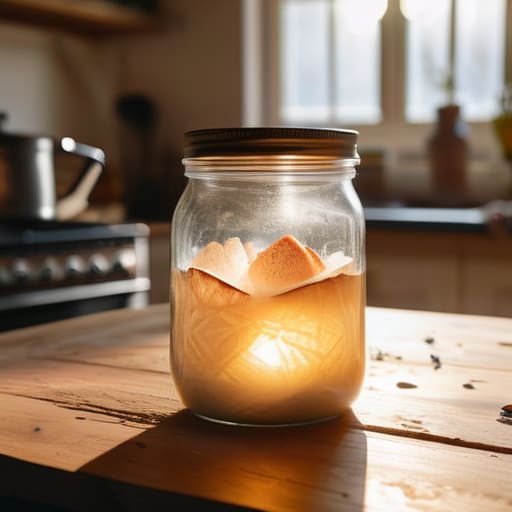
When you’re staring at a mountain of emails, the idea of a “two-hour painting session” feels like a joke. It’s too much overhead. This is where micro-hobby techniques actually become useful. Instead of waiting for a massive block of free time that isn’t coming, I’ve learned to look for the five-minute gaps. For me, that looks like checking on my sourdough starter or reading exactly two pages of a book while the kettle boils. It’s not about “mastery” in these moments; it’s about maintaining the connection so the habit doesn’t die.
The trick is to lower the barrier to entry so much that it feels almost silly not to do it. If your hobby requires a massive setup—like clearing a desk or finding specific tools—you won’t do it when you’re tired. I suggest keeping a “low-friction kit” nearby. If you want to sketch, keep a single notebook and a pen on your nightstand. This kind of low-stakes engagement is one of the best ways of preventing burnout through leisure without adding another heavy task to your to-do list.
Balancing Productivity and Play Without the Mental Overhead

The problem with most productivity advice is that it treats your downtime like a resource to be “optimized.” You’ll see people talking about time management for creatives as if your brain is a machine that just needs a better lubricant. It isn’t. When you approach your downtime with a spreadsheet, you aren’t actually resting; you’re just performing unpaid labor for your own expectations. If your hobby feels like another item on a high-priority ticket queue, you’re going to end up avoiding it entirely.
Instead of trying to squeeze a three-hour painting session into a Tuesday night, focus on preventing burnout through leisure by lowering the barrier to entry. This means making your hobby easy to start and, more importantly, easy to stop. Don’t set up a complex system that requires twenty minutes of “prep work” before you can actually do the thing. If you have to dig through three storage bins just to find your knitting needles, you won’t do it. The goal is balancing productivity and play by ensuring your hobbies exist in the gaps of your life, rather than requiring you to build a whole new architecture just to accommodate them.
Five ways to stop your hobbies from feeling like more work
- Lower the barrier to entry. If you have to spend twenty minutes digging through a storage bin to find your knitting needles or clearing off the dining table to set up your paints, you aren’t going to do it. Keep the tools out, ready to go, so the distance between “I have ten minutes” and “I am doing the thing” is as short as possible.
- Stop the “all or nothing” mindset. You don’t need a four-hour block on a Sunday to be a gardener or a musician. If you only have enough energy to prune one plant or play one scale, do that. It keeps the muscle memory alive and, more importantly, keeps the hobby from becoming a giant, looming task on your to-do list.
- Beware of the “subscription trap” for new interests. I see people join a monthly craft box or a premium learning platform thinking it will force them to be consistent. Usually, it just creates a pile of expensive, unused supplies and a sense of guilt. If you want to try something new, buy the basic starter kit first and see if you actually like it before you commit to a recurring charge.
- Separate your hobby from your “output.” If you enjoy writing, don’t feel like you have to start a blog or a newsletter. If you bake, you don’t need to perfect a sourdough loaf for Instagram. Once you start measuring your hobby by how much “content” or “progress” you make, it stops being play and starts being a second job.
- Audit your digital clutter. If your hobby involves software—like photo editing or music production—make sure your files are organized and your licenses are active. There is nothing that kills the mood faster than sitting down to create something only to spend the next half hour fighting with a “subscription expired” pop-up or a corrupted file path.
The bottom line
Stop looking for a new “hobby management” app; you don’t need more digital overhead, you just need to stop treating your downtime like a task on a Jira board.
If a hobby requires a massive setup—like a complex craft or a heavy gear requirement—it will die when you’re tired. Keep one low-friction version of your interest that you can pick up in under five minutes.
Watch out for the “subscription trap” of hobbies; if your interest requires a monthly fee for supplies or software just to stay “current,” you aren’t relaxing, you’re just managing another recurring expense.
The subscription trap of "self-improvement"
Most people treat their hobbies like a high-maintenance server that needs constant upgrades; they spend more time researching the perfect gear or the most efficient scheduling app than they actually spend doing the thing. A hobby isn’t another ticket in your queue to be ‘optimized’—it’s just something you do because you can, even if it’s only for twenty minutes on a Tuesday night.
Saoirse Doyle
The Bottom Line

At the end of the day, keeping a hobby alive isn’t about finding a magic new app or carving out a perfect four-hour block on a Sunday that will inevitably get hijacked by laundry or a sudden deadline. It’s about lowering the barrier to entry. We talked about using micro-hobby techniques to bypass that initial “I don’t have time” mental block, and more importantly, about reducing the friction in your current setup so your tools don’t feel like extra work. If your gear is buried in a closet or your software requires a monthly subscription you’re too tired to manage, you’re going to skip it. Keep the systems simple, keep the costs predictable, and stop treating your downtime like a project to be managed.
I spent years in IT watching people burn out because they tried to optimize every single second of their lives. You don’t need to “win” at your hobbies; you just need to exist within them. Whether that means spending ten minutes sketching on a napkin or finally getting that sourdough starter back on the counter, the goal is to have something in your life that doesn’t demand a result. Let your hobbies be the one place where you are allowed to be mediocre, messy, and completely unproductive. That is where the real recovery happens.
Frequently Asked Questions
What happens to my progress or digital files if I take a six-month break from a subscription-based hobby tool?
Here’s the thing: most companies want you to feel like your data is hostage. If you cancel a subscription to a tool like Notion, Strava, or a specialized CAD program, your files usually don’t vanish instantly, but you lose the ability to edit them. You’ll likely be stuck in “read-only” mode. If it’s a cloud-only service, they might eventually purge your data to save server space, so export everything to a local drive before you hit cancel.
How do I stop my hobbies from feeling like just another "to-do" item on my list?
The problem is usually that you’ve added your hobby to a task manager. Once it has a checkbox and a due date, your brain categorizes it as “work that hasn’t been finished yet.” Stop putting “Practice Guitar” on your To-Do list. Instead, just leave the guitar on the stand in the middle of the room. If the friction to start is lower than the effort to ignore it, you’ll actually do it.
Is it worth investing in expensive gear for a hobby I only have time to do in fifteen-minute increments?
Don’t do it. I spent years watching people buy top-tier setups for projects they eventually abandoned because the “barrier to entry” was too high. If you only have fifteen minutes, you don’t want to spend ten of them unboxing, plugging in, or calibrating gear. Buy the mid-range version that’s ready to go immediately. If you’re still doing it in six months, then—and only then—should you consider the upgrade.
