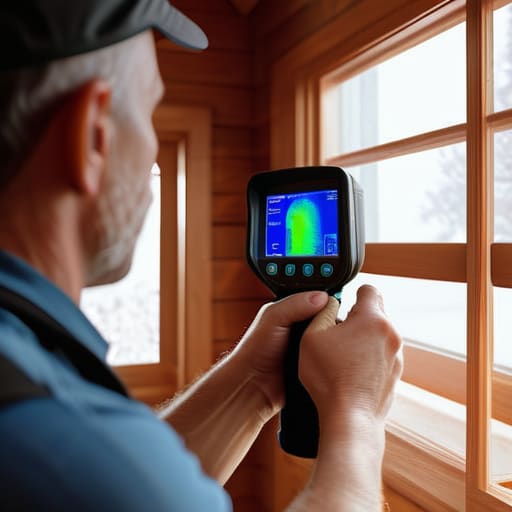
I spent six years in IT support listening to people explain why their expensive new software wasn’t working, only to find out they’d simply forgotten to plug it in. I see the same pattern with home efficiency. People get sold these massive, high-tech “smart home” ecosystems that promise to slash their bills, but they never stop to ask the actual, boring question: what is a home energy audit really supposed to achieve? Most of the time, it’s not about installing a fancy new thermostat; it’s about figuring out why your hallway feels like a wind tunnel every time the front door opens.
I’m not here to sell you on a lifestyle overhaul or a suite of subscription-based gadgets that will stop working the moment you cancel your membership. Instead, I want to give you the unvarnished truth about how these audits actually work. I’ll walk you through the different types, what a professional is actually looking for when they show up at your door, and—most importantly—which “upgrades” are worth your hard-earned money and which ones are just expensive distractions.
Table of Contents
The Blower Door Test Explained Finding the Leaks
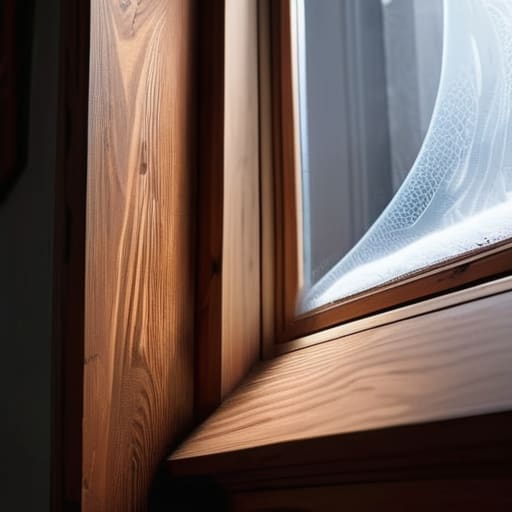
If you’ve ever felt a draft in a room that should be warm, you’ve felt the problem the blower door test is designed to find. Think of it as a stress test for your house. A technician installs a massive fan into the frame of your front door, which pulls air out of the house. This creates a vacuum, forcing outside air to rush in through every tiny crack, gap, and unsealed electrical outlet it can find. It’s the most honest way to see your home energy performance in real-time, rather than just guessing where the cold is coming from.
Once the pressure is stabilized, the pro usually brings in a thermal imaging inspection to see the invisible. They use an infrared camera to show you exactly where the heat is escaping through your walls or floorboards. It turns a vague feeling of being “drafty” into a specific map of where you’re losing money. While this is one of the most effective energy efficiency improvements you can plan for, keep in mind that it’s a diagnostic tool, not a fix. It tells you where the holes are, but you’ll still have to do the actual work of plugging them.
Thermal Imaging Inspection Where Your Money Escapes

If the blower door test is about feeling the draft, a thermal imaging inspection is about seeing it. An auditor will use an infrared camera to scan your walls, windows, and ceilings. To the naked eye, your living room looks perfectly fine, but through that lens, heat escaping through poorly insulated attic hatches or gaps in window frames shows up as bright, neon streaks of color. It’s a bit like having X-ray vision for your house’s flaws.
This part of the process is where you get the most clarity on your home energy performance. Instead of guessing if your insulation is settling or if a specific corner of the house is a thermal dead zone, you get a visual map of exactly where the heat is fleeing. It takes the guesswork out of planning energy efficiency improvements. You aren’t just buying a box of spray foam because a contractor told you to; you’re seeing the specific spot where your money is currently leaking through the drywall. It’s clinical, it’s visual, and it’s much harder to argue with a photo of a cold spot in your hallway.
Five things to check before you hire someone to poke around your house
- Check your paperwork first. Before you pay for a professional audit, look at your utility bills from the last twelve months. If your usage is consistent but high, it’s a structural issue; if it spikes wildly, it’s a behavioral issue (like leaving the heat on while you’re on holiday), and no amount of insulation will fix a thermostat you forgot to turn down.
- Ask about the “post-audit” plan. A good auditor doesn’t just hand you a scary PDF of all the places your house is failing; they give you a prioritized list. You want to know what’s a “fix this weekend for twenty quid” job and what’s a “save this for next year’s budget” job.
- Beware of the “salesman in disguise.” Some companies offer “free audits,” but they aren’t actually auditors—they are salespeople. They find a leak, tell you it’s a catastrophe, and then try to sell you a specific brand of window or insulation on the spot. A real auditor provides data; a salesperson provides a pitch.
- Verify the equipment list. If they say they’re doing a full audit but they don’t bring a blower door or a thermal camera, they aren’t auditing; they’re just walking around your living room looking at your curtains. Make sure the technical stuff we talked about earlier is actually part of the quote.
- Plan for the “subscription” trap of home upgrades. If the audit suggests a smart thermostat or a new heating system, ask yourself what happens when the manufacturer decides to end support for that model in three years. Don’t trade a leaky window for a piece of hardware that becomes a very expensive paperweight once the company goes bust.
The bottom line on energy audits
Don’t expect a magic wand; an audit is just a diagnostic tool to tell you where your house is failing, not a guarantee that a single upgrade will fix everything.
Watch the “remediation” costs—a professional can tell you exactly where the leaks are, but they can’t pay for the new insulation or the window replacements they recommend.
Prioritize the big wins first; if the audit shows your attic is basically a sieve, don’t bother buying a smart thermostat until you’ve plugged the holes in the ceiling.
## The reality of the audit
“An energy audit isn’t some magic ritual that makes your house perfect; it’s just a way to stop guessing where your money is leaking out of the walls and finally see which repairs are worth the headache.”
Saoirse Doyle
The Bottom Line
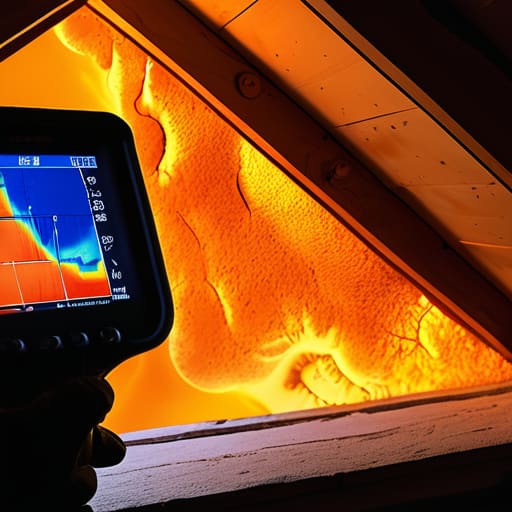
At the end of the day, an energy audit isn’t about buying a whole new set of smart appliances or upgrading to a high-tech ecosystem you don’t actually need. It’s about the boring, fundamental stuff: finding out if your attic is leaking air like a sieve or if your insulation has finally given up the ghost. Between the blower door tests and the thermal imaging, you’re essentially getting a map of where your money is escaping. You’ll walk away knowing exactly which fixes are worth your time and which ones are just expensive distractions. Just remember to ask the auditor for a written report that lists the estimated ROI for every recommendation they make; if they can’t tell you how long it takes for a new window to pay for itself, they aren’t doing their job properly.
Don’t let the prospect of a “home efficiency overhaul” intimidate you into doing nothing. Most of the time, the biggest wins come from the smallest, most unglamorous tweaks—stuff like weatherstripping a drafty door or finally fixing that leaky water heater. You don’t need a perfect, zero-emission house to see a difference in your monthly bills. You just need a house that stops fighting against you. Take the data, pick the two most impactful things you can actually afford to fix right now, and start there. Everything else can wait until the next bread bake.
Frequently Asked Questions
How much is this actually going to cost me, and is it worth the upfront hit?
Expect to pay anywhere from $300 to $600 for a standard audit. If they’re bringing in heavy gear or doing a deep dive into your HVAC, it’ll climb toward $800. It’s a bit of an upfront hit, but think of it as a diagnostic rather than a purchase. If the audit shows you’re losing half your heat through a single poorly sealed window, the thing pays for itself in a single winter.
Do I have to be home while they're poking around, and how much of a mess will they make?
You don’t strictly have to be there, but I usually recommend it. It’s much easier to point out that specific drafty window or the weird noise the HVAC makes when they’re actually standing in front of it. As for the mess, it’s minimal. They aren’t tearing down drywall; they’re mostly just moving a few cushions or looking at your outlets. It’s more of a “nuisance” level of disruption than a “cleaning the whole house” level.
If they find a bunch of problems, am I stuck having to fix everything immediately just to see any savings?
Not at all. If you treat an audit like a mandatory to-do list, you’ll go broke. Think of it like a diagnostic report from my old helpdesk days: it tells you what’s broken, but you get to decide the repair schedule. I always recommend prioritizing the “low-hanging fruit”—things like weatherstripping or sealing gaps—that cost very little but yield immediate results. Save the expensive HVAC or insulation overhaul for when you actually have the budget.
