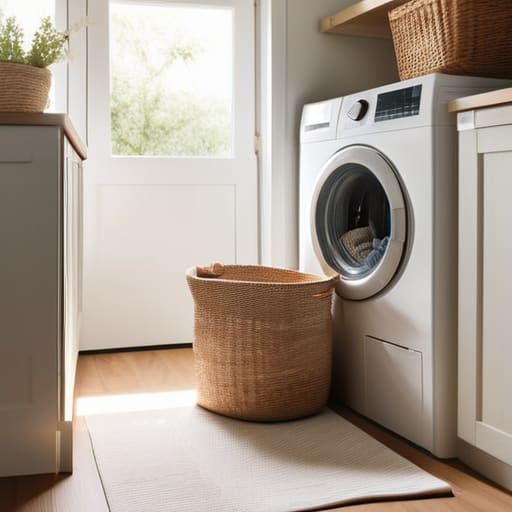
I spent six years in IT support watching people try to “optimize” their lives with expensive, shiny software that ended up making them more miserable. I see the same thing happening with home management, especially when people start looking for a complex, color-coded system for how to set up a laundry routine. You don’t need a dedicated app to track your socks, and you certainly don’t need a $400 smart washing machine that requires a firmware update just to spin a load of towels. Most of that advice is just noise sold by people who want you to feel like your basic chores are a project management failure.
I’m not here to sell you a lifestyle or a subscription service. My goal is to give you the boring, functional version: a way to get the clothes clean and put away without it becoming a second job. I’ll tell you which machines actually last, which detergents are a waste of money, and exactly how to manage the flow so you don’t end up with a mountain of damp fabric smelling like a swamp. No fluff, no productivity hacks—just a system that stays out of your way.
Table of Contents
Minimizing Laundry Time With Zero Fluff
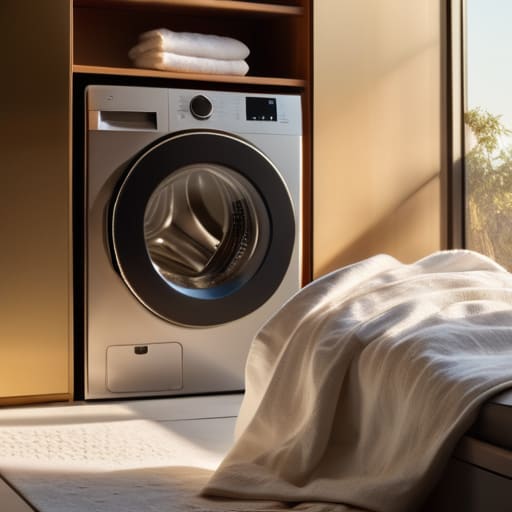
The biggest mistake I see is the “big weekend mountain.” You spend all Saturday wrestling with a pile of clothes that has become a sentient entity, and by Sunday, you’re too exhausted to even look at a dryer sheet. To actually succeed at minimizing laundry time, you have to stop treating it like a single, massive event. Instead, aim for small, predictable loops. If you have a machine with a delay start, use it. Set it to finish right as you wake up or get home from work; it prevents that dreaded swamp smell that happens when wet clothes sit in the drum for six hours because you were too busy to hit ‘start.’
Don’t waste twenty minutes standing over a basket trying to decide what goes where. If you want real laundry day organization tips that actually stick, get a multi-compartment sorter. Sort by color or weight as you take your clothes off, not when they’re already dirty. If you’re already sorting clothes by fabric type at the point of entry, the actual washing part becomes a mindless, five-minute decision rather than a tactical puzzle.
Preventing Laundry Pileup Before It Starts
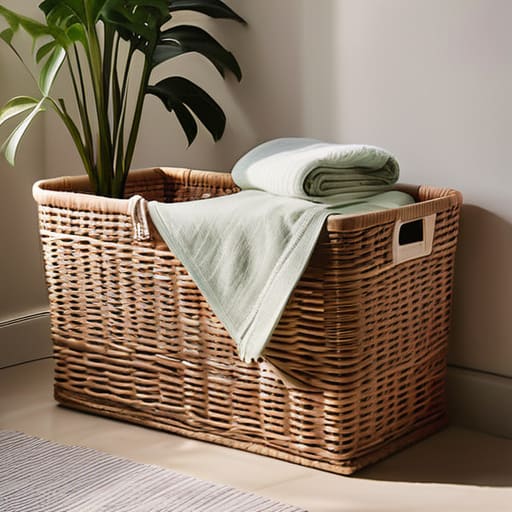
The reason most people end up staring at a mountain of fabric on a Sunday afternoon isn’t because they’re lazy; it’s because the friction of starting is too high. If you have to dig through a single, massive basket to find your darks, you’ve already lost. I’m a big believer in preventing laundry pileup by moving the decision-making process to the very beginning. Get a multi-compartment hamper—the kind that actually separates lights, darks, and delicates right there in the bin. It feels like an extra step until you realize you’re no longer standing over a pile of clothes for twenty minutes trying to decide what goes where.
If you can’t commit to a multi-bin system, at least try sorting clothes by fabric type as you take them off. It sounds tedious, but it’s much easier to toss a gym shirt into a specific pile the moment it hits the floor than to face a chaotic heap later. Most of the time, the “system” fails because it requires too much mental energy when you’re tired. Keep it low-effort. If the barrier to entry is just dropping a sock into a pre-sorted slot, you’ll actually do it.
Five ways to stop the cycle from winning
- Sort as you go, not when the basket is full. Get a cheap divided hamper—one side for lights, one for darks. It sounds like extra work, but it stops that frantic, floor-wide scavenger hunt five minutes before you need to leave the house.
- Stop treating every single item like it needs a delicate cycle. Most of your daily clothes can handle a standard wash. If you spend twenty minutes reading every single care label, you’re just wasting time you could spend doing literally anything else.
- Set a timer on your phone for the “dryer stage.” The biggest mistake is letting clean, warm clothes sit in a heap at the bottom of the machine. That’s how you end up with a mountain of wrinkles that requires an iron you’ll never actually use.
- Buy enough hangers to actually finish the job. There is nothing more demoralizing than having a basket of clean clothes and realizing you only have three hangers left. If you can’t hang it immediately, fold it. Don’t let it live in a “to-be-sorted” pile on a chair.
- Don’t buy a fancy, expensive smart washer just because the app promises to text you when the load is done. Most of those apps are just another subscription or a way to harvest your data. A machine that spins and drains is all you actually need; the rest is just noise.
The bare minimum for staying on top of it
Pick a single, predictable day for the heavy lifting so it stops being a mental weight you carry all week.
Stop trying to sort everything by fabric type and color before it hits the machine; just get the clothes washed and dried so they aren’t sitting in a damp heap.
Don’t buy a fancy smart washer that requires a subscription to send you notifications; you don’t need more pings on your phone, you just need to hear the buzzer.
The truth about "systems"
Most people think they need a fancy color-coded sorting bin or a dedicated laundry app to fix their lives, but you don’t. You just need to stop treating the washing machine like a piece of furniture and start treating it like a task that has to be finished before you can actually sit down on the sofa.
Saoirse Doyle
The bottom line
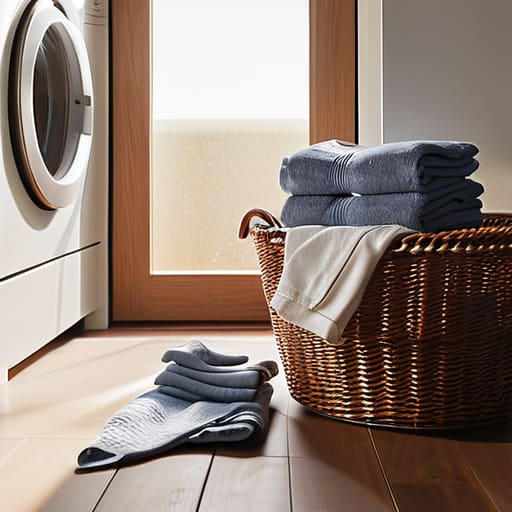
At the end of the day, you don’t need a color-coded spreadsheet or a high-tech smart washer to manage your clothes. You just need to stop treating laundry like a monumental event that requires a whole Saturday to tackle. Stick to the basics: sort your loads before they hit the machine, don’t let the damp stuff sit in the drum until it develops a personality, and for heaven’s sake, actually fold things when they come out of the dryer. If you automate the small stuff—like having a dedicated basket for socks or a set day for towels—you remove the mental friction that makes the whole process feel like a chore. It’s about reducing the decision fatigue so you can just get it done and move on with your life.
I know it sounds uninspiring, but there is a quiet kind of freedom in a system that works without you having to think about it. The goal isn’t to become a “productivity guru” who masters the art of domestic management; the goal is to have clean socks when you need them without it feeling like a battle. Once you get these small, boring habits in place, the laundry stops being a looming shadow in the corner of your bedroom and just becomes another background task. Get the system running, stop overthinking the process, and go do something much more interesting than staring at a washing machine.
Frequently Asked Questions
What do I actually do with all the clothes that aren't dirty but aren't quite "clean" yet?
The “in-between” pile is usually where laundry goes to die. I used to have a chair that became a mountain of half-worn jeans and sweaters, which is just a recipe for clutter. Instead, get a dedicated “re-wear” hook or a small basket. If it’s not dirty enough for the wash but too messy for the drawer, it goes there. It keeps the floor clear and stops you from washing things that are perfectly fine.
Is it worth buying those expensive laundry organizers, or am I just throwing money at a problem I can solve with a plastic basket?
Don’t buy them. Most of those tiered, aesthetic organizers are just expensive ways to move clutter from the floor to a shelf. If you’re trying to solve a system problem with a purchase, you’re doing it wrong. Grab two or three sturdy plastic baskets—one for lights, one for darks, one for towels—and call it a day. It’s cheaper, it doesn’t require assembly, and it works exactly the same way.
How do I handle the "delicates" pile without it becoming a separate, permanent mountain of fabric?
The “delicates” mountain happens because we treat them like a special project instead of just another load. Stop waiting for a “delicate day” that never comes. Buy a stack of mesh laundry bags—get the decent ones that don’t snag—and put the items in them the second they come off your body. When they’re bagged, they go straight into the regular wash cycle. You aren’t being reckless; you’re just making them manageable.
