I spent three years in IT watching people buy “smart” thermostats and expensive sensor arrays to fix a drafty house, only to realize the problem was just a single, poorly fitted window. It’s the same with home heating; people get caught up in the marketing jargon of “high-performance thermal textiles” and end up spending a fortune on something that looks like a hospital ward. If you are actually trying to figure out how to choose curtains for insulation without getting scammed by fancy labels, you don’t need a degree in thermodynamics. You just need to understand weight, weave, and how much air is actually moving behind the fabric.
I’m not going to give you a list of “must-have” luxury brands that will cost you a month’s rent. Instead, I’m going to tell you exactly what to look for in a fabric swatch, how much a decent thermal lining actually costs, and which styles will eventually sag and ruin your curtain rod. We’ll skip the fluff and focus on the practical physics of keeping the heat in, so you can stop paying to warm up the street.
Table of Contents
Thermal Fabric Density Versus Marketing Hype
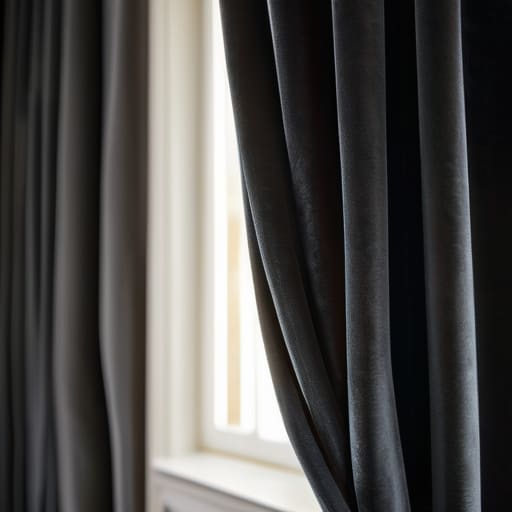
When you’re browsing online, you’ll see every curtain described as “thermal” or “insulating.” It’s a bit of a minefield because most of those labels are just marketing fluff. To actually make a dent in your heating costs, you need to ignore the adjectives and look at the thermal fabric density. A thin polyester curtain might claim to be energy efficient, but if you can see light through it when you hold it up to a window, you’re basically just hanging a colorful sheet. You want something with weight—think velvet, heavy linen, or even specialized triple-weave fabrics.
If you are serious about reducing heating bills with window coverings, you have to consider how the fabric behaves when it hangs. A heavy, dense material doesn’t just block light; it creates a physical barrier that slows down the transfer of heat. I usually tell people to do the “squeeze test”: if you can easily compress the fabric between your fingers and feel nothing but air, it’s not going to do much for your drafty windows. If you go for blackout curtains for temperature control, make sure they have a substantial backing, otherwise, the cold will just seep right through the weave.
What Blackout Curtains for Temperature Control Actually Cost
When you start looking at blackout curtains for temperature control, the price tags vary wildly because you’re often paying for the brand name rather than the actual density of the weave. You can find cheap polyester versions at big-box retailers for twenty quid, but they’re usually just thick fabric with a printed pattern. They might block light, but they won’t do much for reducing heating bills with window coverings. If the goal is actual insulation, you need to look for curtains with a dedicated thermal lining—essentially a second layer sewn into the back.
Budgeting for this means being realistic about the “cost per window.” High-quality, heavy-duty insulating window treatments can run you a significant amount upfront, sometimes more than the window itself is worth. However, I always look at the long-term math. If spending an extra fifty pounds on heavy, multi-layered drapes prevents a draft from hitting your radiator all winter, it usually pays for itself by February. Just be prepared for the hardware; heavy curtains need a sturdy rod that won’t bow under the weight, so factor that into your initial spend.
Five things to check before you hit 'buy'
- Check the weight, not the label. Marketing calls everything “thermal,” but if you can see light through the fabric when you hold it up to a window, it isn’t doing much for your heating bill. You want heavy, dense weaves—velvet or thick linen—that actually have some heft to them.
- Don’t skip the lining. A single layer of fancy fabric is mostly for looks. If you want actual insulation, you need a dedicated thermal lining attached to the back. It creates that necessary pocket of dead air between the room and the glass.
- Mind the gap at the edges. You can have the thickest curtains in the world, but if there’s a two-inch gap at the top or sides, the heat is just going to pour around them. Aim for a rod that sits close to the ceiling and curtains that extend past the window frame.
- Consider the “washability” trap. Some heavy-duty thermal curtains are “dry clean only.” If you’re the type of person who forgets to schedule a trip to the cleaners, you’ll end up with dusty, heavy drapes that eventually smell like a basement. Check the care label first.
- Look for floor-length options. If your curtains stop halfway down the wall, you’re essentially leaving a giant thermal leak right under them. For real temperature control, they need to go from the rod all the way to the floor to seal that bottom edge.
The short version
Don’t trust the word “thermal” on a label; feel the weight of the fabric yourself, because if it doesn’t feel heavy enough to hang straight, it isn’t doing much for your heating bill.
Blackout curtains are better for temperature than thin “thermal” ones, but remember that they are heavier and will require a sturdier rod that won’t bow in the middle after a week.
Check the hardware costs before you buy the fabric; a high-end insulated curtain is a waste of money if you’re hanging it on a cheap rod with gaps at the sides where the heat just escapes anyway.
The truth about "thermal" labels
“Don’t get distracted by fancy ‘thermal’ branding on a box; a heavy, dense weave of linen or velvet will do more to stop a draft than a cheap polyester curtain with a marketing sticker slapped on it. You aren’t buying a gadget, you’re buying mass, and mass is what keeps the heat inside.”
Saoirse Doyle
The Bottom Line on Drafts and Decor

At the end of the day, don’t get distracted by fancy labels promising “aerogel-infused” or “space-age” insulation if the fabric feels like a cheap bedsheet. If you want to actually keep the heat in, focus on two things: weight and fit. A heavy velvet or a thick polyester blend will do more for your heating bill than a thin, “thermal” branded curtain that doesn’t even reach the floor. Make sure they overlap the window frame by a few inches and hit the ground; if there’s a gap at the bottom, you’re basically just paying to heat the street. It isn’t about finding the most expensive solution, it’s about closing the gaps where the air actually moves.
I know it feels like another chore on an endless list of things to “optimize” about your home, but you don’t need a smart-home ecosystem to fix a drafty window. You just need some heavy fabric and a bit of common sense. Once you get the right curtains up, you can stop thinking about your windows entirely and go back to whatever else you were doing. My goal isn’t to turn your living room into a high-tech laboratory; it’s to help you make your house stop working against you so you can finally just sit down and be comfortable.
Frequently Asked Questions
Do I really need to buy special thermal curtains, or can I just add a liner to the ones I already have?
You don’t need to scrap your existing curtains. If you like the look of what’s already hanging there, adding a thermal liner is actually the smarter move. It’s cheaper and saves you from the hassle of re-measuring everything. Just look for a clip-on or rod-pocket liner. The only catch is the weight; if your current rod is flimsy, adding a heavy liner might make it bow or pull out of the wall.
Will heavy insulating curtains make my windows look weird or block all the natural light during the day?
It depends on how much you’re willing to compromise. If you go for heavy, triple-weave blackout curtains, yes, they’ll block the light entirely and look a bit chunky on the rod. If you want the insulation without the cave vibe, look for thermal linings that attach to your existing curtains. You get the heat retention, but you aren’t stuck sitting in a dark room every time the sun comes out.
How often do I actually need to wash them, and will the thermal coating peel off in the machine?
You don’t need to wash them often. Unless you have pets or a smoker in the house, once or twice a season is plenty. If they have that heavy rubberized thermal coating, don’t just toss them in the machine on a high heat cycle; that’s how you end up with a curtain that looks like peeling skin. Use a cold, gentle cycle and hang them while damp. If they’re just heavy weave, you’re safer.
