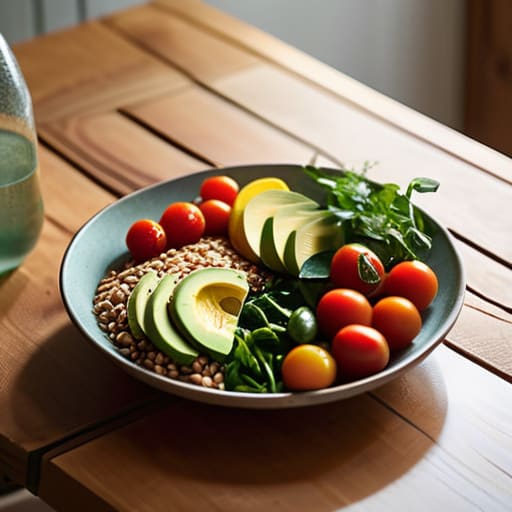
I spent six years in IT support, and if there is one thing I learned, it’s that people love to sell “optimization” for problems that don’t actually exist. I see these productivity influencers posting about elaborate meal-prepping rituals involving expensive glass containers and color-coded calendars, as if finding how to set up a lunch routine working from home requires a PhD in logistics. It’s exhausting. You don’t need a subscription-based meal planning app or a dedicated “wellness hour” that feels like another item on your to-do list; you just need to stop eating lukewarm leftovers over your keyboard while staring at a spreadsheet.
I’m not here to sell you a lifestyle or a new piece of kitchen tech that will be gathering dust in a cupboard by next Tuesday. Instead, I want to walk you through the unsexy reality of making midday breaks actually work. I’ll show you how to create a repeatable sequence that keeps your brain from frying, without turning your kitchen into a second workstation. We’re going to focus on the small, practical shifts—the ones that actually stick—so you can eat your food, clear your head, and get back to work without feeling like you’ve spent your entire break managing a project.
Table of Contents
Separating Work and Personal Space Before You Lose Your Mind
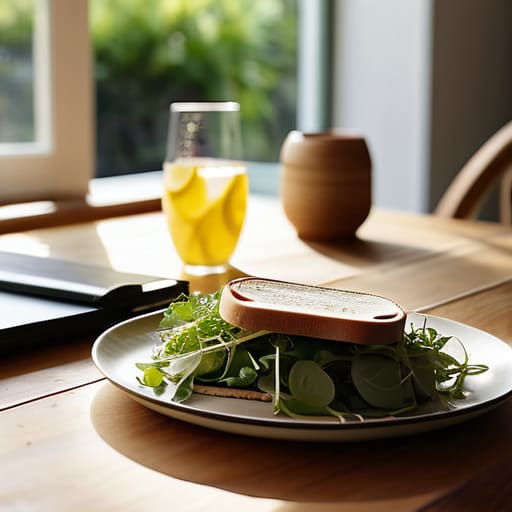
The biggest mistake I see people making is the “laptop on the dining table” trap. It starts fine, but eventually, your brain stops recognizing the kitchen as a place to relax and starts seeing it as a secondary office. If you’re eating a sandwich while staring at a spreadsheet, you aren’t actually taking a break; you’re just performing a low-quality version of work. Separating work and personal space isn’t about having a dedicated home office with a mahogany desk; it’s about a physical boundary. If you can, move your laptop to a different room or even just a different chair.
If you absolutely have to eat where you work, at least close the lid. Physically shutting the computer sends a signal to your brain that the shift is over. This small act is one of those simple remote work productivity tips that actually works because it stops the “just one more email” loop. When you don’t create this distinction, you end up with that fuzzy, exhausted feeling where you’re never fully “on” or fully “off.” Just pick a spot that isn’t your workstation and stay there until the dishes are done.
Meal Prepping for Remote Employees Who Hate Wasting Time
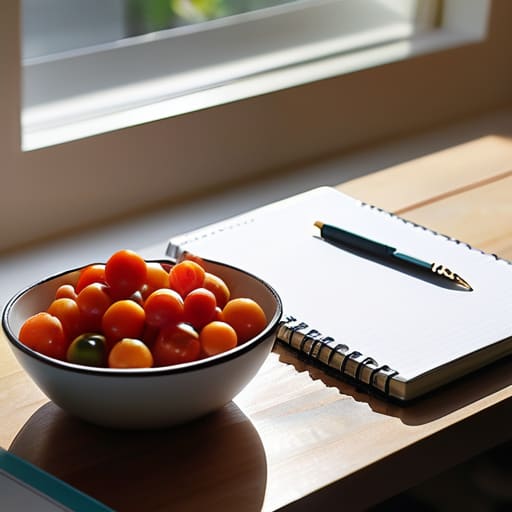
Look, I get it. The idea of spending your Sunday afternoon standing over a stove to prepare five identical Tupperware containers sounds like a special kind of torture. Most advice on meal prepping for remote employees makes it sound like a hobby you need to master, but if you’re anything like me, you just want to eat something that isn’t a piece of toast while staring at a spreadsheet. You don’t need a “system”; you just need to stop making decisions at 12:30 PM when your brain is already fried.
The trick is to focus on component prepping rather than full meals. Roast a massive tray of vegetables, boil a pot of grains, and cook some protein all at once. When lunch rolls around, you aren’t “cooking”—you’re just assembling. This is one of those small, boring wins for avoiding burnout while working remotely because it removes the decision fatigue that usually leads to ordering expensive, salty takeout. If you do this, you’ll actually have the mental bandwidth to step away from the screen, which is much better for your long-term sanity than scrolling through delivery apps.
Five ways to stop eating like a distracted ghost
- Close the laptop lid. I’m serious. If you eat while staring at a Slack notification or an unread email, your brain never actually registers that you’ve stopped working. You’ll end up back at your desk ten minutes later feeling just as hungry and twice as tired.
- Set a hard “out of office” for yourself. You don’t need a fancy calendar integration; just decide that from 12:30 to 1:00, you are unavailable. If you don’t set the boundary, your coworkers (and your own sense of guilt) will steamroll right over your lunch break.
- Stop relying on delivery apps for every mid-week slump. They’re convenient, sure, but between the service fees, the delivery markups, and the tip, you’re spending a small fortune to have someone bring lukewarm noodles to your door. Keep a few high-quality frozen meals or easy pantry staples on hand for when the motivation to cook hits zero.
- Change your scenery, even if it’s just by three feet. If you work at the dining table, eat on the sofa. If you work in the kitchen, eat on the porch. The goal is to break the visual loop of your workspace so your nervous system can actually downshift.
- Clean the dishes as you go, or don’t—but don’t let them become a “work task.” If looking at a sink of dirty bowls makes you feel like you’re failing at being a productive adult, wash them immediately after eating. If you leave them, they’ll just sit there staring at you while you try to finish that afternoon report.
The bottom line
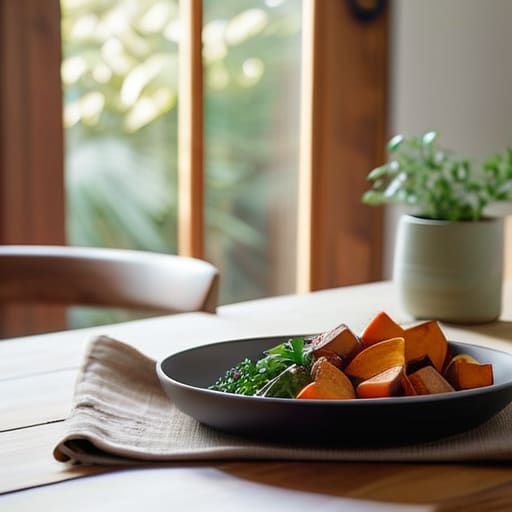
Stop eating at your desk; even a ten-minute change of scenery prevents that weird “always-on” feeling that makes you feel like you’re working a double shift every day.
Don’t try to be a gourmet chef on a Tuesday; prep something simple during the weekend so you aren’t staring at a pile of groceries at 12:30 PM with zero energy.
Set a hard boundary for your lunch hour; if you don’t actually step away from the screen, you aren’t taking a break, you’re just working in a different chair.
The reality of the midday break
“A lunch routine isn’t about finding the perfect recipe or a fancy meal prep container; it’s just about creating a hard boundary so you don’t realize at 3:00 PM that you’ve been staring at a spreadsheet while chewing on a cold piece of toast.”
Saoirse Doyle
The bottom line
At the end of the day, you aren’t trying to optimize your lunch break to become a high-performance machine; you’re just trying to prevent your midday meal from becoming another chore on a digital to-do list. Whether that means physically moving away from your desk so you don’t end up eating over your keyboard, or spending twenty minutes on a Sunday prepping components so you aren’t staring blankly into an empty fridge at 12:30 PM, the goal is the same. It is about reducing the friction between your work brain and your human brain. If you can automate the decision-making process for what you eat and where you sit, you stop wasting the very mental energy you actually need to get through the afternoon.
Don’t get caught up in the trap of thinking you need a specialized app or a subscription-based meal planner to make this work. Most of those tools are just another way to make you feel like you’re failing at being “productive” at resting. Keep it simple. If a sandwich and a walk around the block works for you, then that is a perfect system. You don’t need a more complex routine; you just need one that stays out of your way so you can actually enjoy the thirty minutes you’ve carved out for yourself.
Frequently Asked Questions
What do I do if I live in a tiny studio apartment where my desk is also my dining table?
If your desk is your dining table, you can’t rely on physical distance, so you have to use sensory cues. When it’s lunchtime, clear the laptop away—not just closing the lid, but actually moving it. Use a different placemat or even a specific mug that only comes out for breaks. It sounds trivial, but if you’re staring at your monitor while eating a sandwich, your brain never actually leaves the office.
Is it actually worth the effort to prep food on Sundays, or am I just setting myself up for a failed habit by Wednesday?
Look, if you try to prep five identical, Tupperware-heavy gourmet meals on Sunday, you’ll be ordering pizza by Wednesday. That’s not a system; it’s a chore. Don’t prep full meals. Just prep components—roast a tray of veg, cook a big batch of grains, or chop some onions. It’s much harder to fail at “chopping things” than it is at “being a chef.” Keep it low-stakes so the habit actually sticks.
How do I stop myself from just scrolling through my phone while I eat and feeling like I haven't actually "rested"?
The problem isn’t your willpower; it’s that your phone is designed to be more interesting than a sandwich. If you want to actually rest, you have to make the phone harder to reach than the food. Leave it in another room or at least in a drawer. If you need noise, put on a podcast or music first, then put the device face down. If you’re staring at a screen, your brain is still “on.”
