
I spent six years at a helpdesk listening to people explain why their expensive, high-spec hardware wasn’t working, only to realize they were just using it wrong. It’s the same with sleep advice. I am so tired of seeing “wellness influencers” sell $50 weighted blankets or subscription-based meditation apps as the cure for your late-night scrolling. Most of that is just expensive noise. If you are actually trying to figure out how to sleep better with a phone habit, you don’t need a digital detox retreat or a smart mattress; you just need to stop letting your device hijack your brain at 11:00 PM.
I’m not going to give you a list of “mindfulness hacks” that require more screen time to implement. Instead, I’m going to show you the boring, practical steps I took to reclaim my bedroom. We’ll look at the specific settings you can toggle right now, which “night mode” features are actually useful and which are just marketing, and exactly what happens to your focus when you finally put the phone in another room. No fluff, no subscriptions—just straightforward fixes that actually work.
Table of Contents
Why Blue Light Impact on Melatonin Is Actually Wrecking You
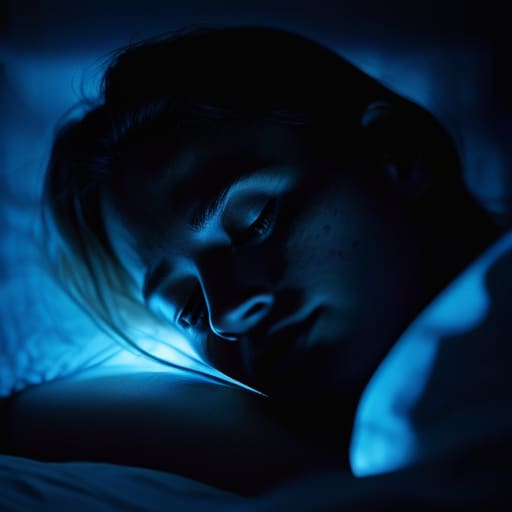
The science part is usually where people tune out, but here is the gist: your brain is a bit of a dinosaur. It still thinks that certain wavelengths of light mean the sun is up and it’s time to hunt or gather. When you’re staring at a high-brightness screen at 11 PM, that blue light impact on melatonin is very real. Melatonin is the hormone that tells your body, “Hey, it’s time to shut down,” and those screens are essentially screaming at your brain that it is midday.
This isn’t just about feeling a little tired the next morning; it’s about circadian rhythm disruption. When you trick your internal clock into thinking it’s daytime, you aren’t just delaying sleep—you’re degrading the quality of the sleep you actually do get. You might pass out, but you won’t hit those deep, restorative stages because your biology is still stuck in “daylight mode.” It’s less about a sudden crash and more about a slow, constant state of being half-awake and slightly foggy.
How Smartphone Addiction and Insomnia Keep You Staring at Ceilings
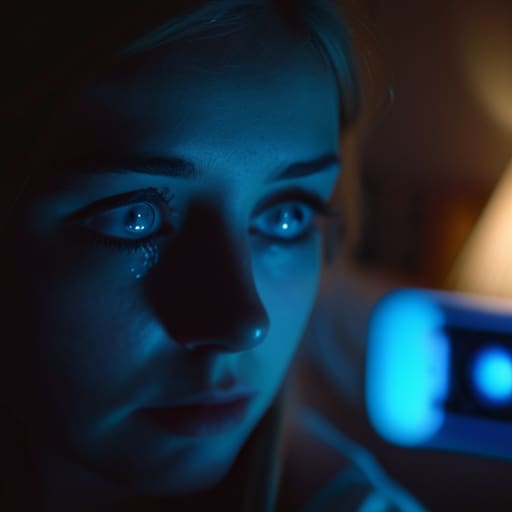
It isn’t just about the light hitting your eyes; it’s about the psychological loop you get stuck in once you pick up the device. We’ve all been there: you tell yourself you’re just checking the weather, and forty minutes later, you’re deep in a rabbit hole of arguments in a stranger’s comment section or watching a video about how to restore antique clocks. This is where smartphone addiction and insomnia feed into each other. Your brain isn’t just being stimulated by light; it’s being kept in a state of high alert. Every notification or interesting headline triggers a tiny hit of dopamine that tells your brain, “Stay awake, something is happening,” which is the exact opposite of what you need when you’re trying to wind down.
Once your mind is racing, staring at the ceiling becomes a form of mental punishment. You start calculating exactly how many hours of sleep you’ll get if you fall asleep right now, which only creates more anxiety. This cycle of circadian rhythm disruption makes it harder to fall asleep tonight, and even harder tomorrow. It’s a feedback loop that feels impossible to break because the phone is designed to be more interesting than your own thoughts.
Five ways to stop your phone from ruining your sleep
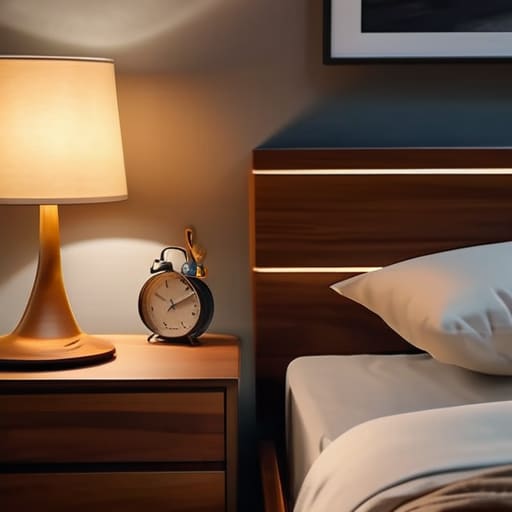
- Buy a cheap, old-school alarm clock. If your phone is the first thing you touch in the morning and the last thing you see at night, you haven’t actually solved the problem; you’ve just outsourced your wake-up call to a device designed to keep you scrolling.
- Use the “Do Not Disturb” schedule feature. Most phones let you automate this, so set it to kick in an hour before you want to be asleep. It doesn’t mean you’re unreachable in an emergency, but it stops the random WhatsApp pings from lighting up your nightstand.
- Turn on the grayscale setting. It’s in your accessibility settings. Most apps are designed with bright, dopamine-triggering colors; when you turn your screen black and white, Instagram suddenly looks incredibly boring, which makes it much easier to put down.
- Set a “hard stop” for charging. Don’t charge your phone on your bedside table. Plug it in across the room or in the kitchen. If you have to physically stand up to check a notification, you’re much less likely to do it at 2:00 AM.
- Audit your notification permissions. Go into your settings and turn off everything that isn’t from a human being. You don’t need a buzz to tell you that someone liked a photo or that a game has a new sale; those are just digital distractions masquerading as urgent tasks.
The bottom line
Stop treating your phone like a bedside lamp; if you can’t put it in another room, at least turn on the ‘Night Shift’ or ‘Blue Light Filter’ settings an hour before you actually want to sleep.
Your brain isn’t wired to process a news feed or a work email at 11 PM, so set an actual “digital curfew” instead of just hoping you’ll magically stop scrolling.
If you find yourself reaching for the phone out of habit, buy a cheap, basic alarm clock so your phone doesn’t have to be the first thing you touch when you wake up.
The reality of the scroll
“We treat our phones like they’re part of our hands, but they aren’t. You wouldn’t keep a bright, buzzing office light on right next to your pillow just to check an email at 11 PM, so stop letting your screen convince you that you’re actually ‘relaxing’ when you’re really just keeping your brain in high-gear.”
Saoirse Doyle
Getting your bedroom back
Look, we’ve covered a lot of ground, from the way blue light tricks your brain into thinking it’s noon to the way a single notification can hijack your dopamine levels and keep you scrolling for an hour. It isn’t about finding a magical new app or a $300 smart lamp; it’s about the basic, slightly annoying physics of how your brain works. You need to manage the light, manage the distractions, and most importantly, manage your expectations. You aren’t going to go from four hours of broken sleep to a perfect eight hours overnight just because you bought a new phone case. It’s a series of small, manual adjustments—like setting a hard “phone off” time or charging your device in the kitchen instead of on the nightstand—that actually move the needle.
At the end of the day, your phone is a tool designed to keep you engaged, not a companion designed to help you rest. It is doing exactly what it was programmed to do, which is why you can’t just “willpower” your way out of it. You have to build a physical environment where failing is harder than succeeding. Don’t aim for perfection; just aim to make your bedroom a place where the digital world isn’t allowed to intrude. Once you stop letting your device dictate your circadian rhythm, you’ll realize that the best piece of technology in your life is actually the quiet, dark room you finally learned how to inhabit.
Frequently Asked Questions
Do those "blue light filter" apps actually do anything, or are they just a placebo?
They do something, but they aren’t a magic fix. Most “blue light filters” just shift your screen toward the warmer, amber end of the spectrum. It makes the light less harsh on your eyes, which is fine, but it doesn’t change the fact that you’re still staring at a bright, stimulating rectangle. If you’re using a filter just so you can scroll TikTok for another hour, you’re basically just tricking yourself. Use the filter, but still put the phone down.
If I put my phone in another room, how am I supposed to use it for my morning alarm?
This is the classic “but what if I don’t wake up?” trap. The easiest fix is a dedicated alarm clock—one of those basic, $10 digital ones that does nothing but beep. It’s cheap, it doesn’t have Instagram, and it won’t tempt you to check your emails at 3:00 AM. If you absolutely must use your phone, buy a cheap Bluetooth speaker. Set the alarm on the phone in the kitchen, and it’ll play through the speaker in your room.
Is it better to just buy a cheap digital alarm clock and call it a day?
Honestly? Yes. It is the single most effective, low-tech fix you can implement. Buying a basic, $10 digital clock removes the “just one more video” temptation because your phone is no longer your alarm. It stays in the kitchen or across the room, and you aren’t tempted to check emails the second you wake up. It’s a one-time purchase with zero subscriptions to worry about, and unlike a “smart” clock, it won’t require a firmware update to tell you it’s 7:00 AM.
