I spent three years in IT watching people buy $500 “smart” sensors to tell them their garden was dry, only for the app to break or the subscription to expire six months later. It’s the same with most advice on how to reduce water usage at home; you’re constantly being sold a shiny new gadget or a complex ecosystem of connected hardware that promises efficiency but mostly just adds another thing to troubleshoot. Most of these high-tech solutions are just expensive ways to solve problems that a five-dollar rubber washer or a better routine could fix for free.
I’m not here to sell you a subscription to a smart faucet or a complicated greywater recycling system that requires a degree in civil engineering to maintain. Instead, I’m going to walk you through the actual, slightly boring ways to stop wasting money and water. We’ll look at the specific parts that fail, the hidden costs of “eco-friendly” upgrades, and the simple mechanical fixes that actually work. No hype, no unnecessary apps—just the practical steps to make your plumbing stop working against your bank account.
Table of Contents
- Fixing Leaky Faucets Before They Drain Your Bank Account
- Low Flow Showerhead Benefits Versus the Myth of Poor Pressure
- Five things that actually move the needle
- The bottom line on saving water
- ## The subscription trap of "smart" water saving
- The bottom line on your water bill
- Frequently Asked Questions
Fixing Leaky Faucets Before They Drain Your Bank Account
Most people think they need a smart sensor or a complex app to monitor their usage, but the reality is usually much more analog. I spent years in IT watching people buy expensive software to solve problems that were actually caused by a $5 rubber washer. Fixing leaky faucets is the most boring advice you’ll get, but a single drip every second can waste thousands of liters a year. It isn’t about a lifestyle overhaul; it’s about stopping the literal drain on your bank account.
If you aren’t comfortable taking a tap apart, don’t sweat it, but at least check the seals. If you see a steady drip, you have a mechanical failure, not a “habit” problem. While you’re looking at your fixtures, take a quick peek at your toilet, too. A silent leak in the tank is the ultimate stealth thief of your budget. I’ve seen people spend a fortune on water-efficient appliances while ignoring a toilet that’s been running since the previous tenant moved out. Fix the hardware first, then worry about the fancy tech.
Low Flow Showerhead Benefits Versus the Myth of Poor Pressure
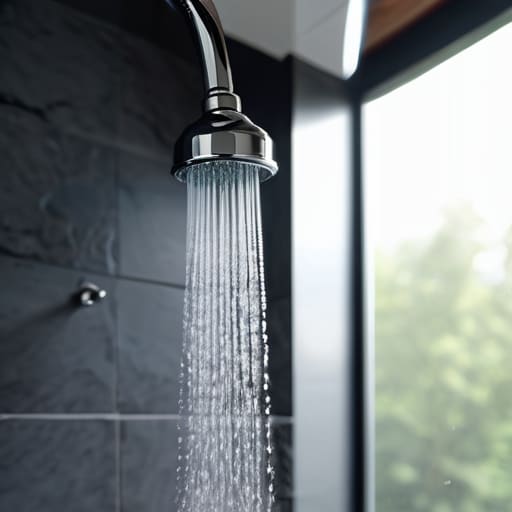
The biggest lie in the plumbing aisle is that you have to trade a decent shower for a lower bill. Most people avoid switching because they’ve been told a low-flow showerhead means standing under a pathetic, lukewarm trickle. That’s nonsense. Modern aerators work by mixing air into the stream, which maintains the perceived pressure even though you’re actually using significantly less volume. If you’re still using a high-flow model from 2005, you aren’t just washing yourself; you’re essentially running a small, expensive waterfall in your bathroom every morning.
When looking at low-flow showerhead benefits, don’t just grab the cheapest plastic version at the supermarket. The cheap ones tend to clog with mineral buildup within months, which is when that “poor pressure” myth actually becomes a reality. I usually suggest looking for a model with a high-quality silicone nozzle. It’s a small upfront cost, but it keeps your household water consumption habits from being sabotaged by a hardware failure. Just remember: once you install one, don’t go back to the old one. It’s one of those rare tech upgrades that actually feels like a win for both your wallet and your morning routine.
Five things that actually move the needle
- Stop running the dishwasher for the sake of it. If it’s only half full, just wait. Modern dishwashers are actually quite efficient with water once they’re running, but they aren’t magic; they can’t make up for the wasted gallons of a half-empty cycle.
- Check your toilet for silent leaks by dropping a bit of food coloring into the tank. If the color seeps into the bowl without you flushing, your flapper is shot. It’s a five-dollar part that takes ten minutes to swap, and it’ll save you more than any “smart” sensor ever could.
- Get a simple aerator for your kitchen tap. They cost about ten bucks, screw on in thirty seconds, and mix air into the stream so you feel like you have pressure while using significantly less water. Just make sure you buy a standard size so you aren’t stuck trying to force a thread that doesn’t fit.
- If you have a garden, stop using the sprinkler on a timer. It doesn’t care if it’s raining or if the ground is already soaked. Water your plants early in the morning when it’s cool, or just let the rain do the work for free.
- Be wary of “smart” water monitors that require a monthly subscription to send you alerts. If you’re going to buy one, make sure you can still see your usage data locally if you decide to cancel the service. I’ve seen too many people lose their historical data just because they didn’t want to pay twenty dollars a year for an app.
The bottom line on saving water
Stop looking for a “smart” solution to a mechanical problem; if your toilet keeps running or your tap drips, no app is going to save you more money than a five-dollar washer from the hardware store.
Upgrade your showerhead to a low-flow model if you want to actually see the savings, but skip the expensive “smart” versions that require a subscription or a specialized app to function.
Focus on the big, obvious leaks first because high-tech gadgets won’t fix the cost of a silent, running toilet or a half-empty dishwasher cycle.
## The subscription trap of "smart" water saving
Most people think they need a $300 smart sensor to save water, but you don’t need an app to tell you your pipes are leaking; you just need to look at your bill and realize that a five-minute fix with a wrench is cheaper than any subscription service that promises to monitor your waste.
Saoirse Doyle
The bottom line on your water bill
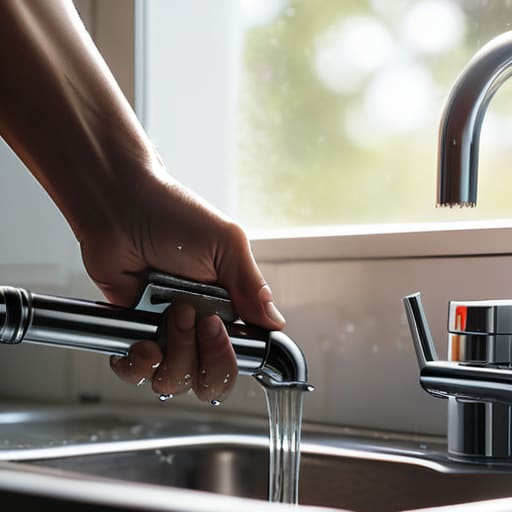
At the end of the day, reducing your water usage isn’t about buying a $400 smart sensor that requires a monthly subscription just to tell you your lawn is wet. It’s about the unglamorous stuff: swapping out that old showerhead, tightening the washer in your kitchen tap, and actually running the dishwasher when it’s full. If you do those three things, you’ve already done more than most people. You don’t need a complex digital dashboard to monitor your consumption; you just need to stop letting the easy leaks happen. Once you fix the mechanical issues, the rest is just a matter of habit, and habits are much cheaper to maintain than fancy gadgets that eventually break.
I know it feels like a lot of small, annoying chores, but there is a certain quiet satisfaction in seeing your utility bill actually drop for once. It’s not about being a hero or achieving some perfect, zero-waste lifestyle; it’s just about making your home work for you instead of against your bank account. Don’t feel like you have to overhaul your entire plumbing system by Sunday. Just pick one thing—maybe that dripping faucet—and get it sorted. Small, boring fixes are almost always better than the big, expensive ones.
Frequently Asked Questions
Is it actually worth buying a smart water monitor, or is that just another subscription I'll forget to cancel?
Most smart water monitors are just expensive ways to get a notification on your phone that you’re already getting from a high utility bill. If you have a steady, predictable usage pattern, you don’t need a sensor to tell you something is wrong; you’ll see it in your monthly statement. Unless you’re traveling constantly or have a history of catastrophic pipe bursts, skip the hardware. And if you do buy one, check the fine print: many require a monthly subscription just to access your historical data. If the app stops working because you stopped paying, you’re left with a very expensive, very dumb piece of plastic on your pipe.
If I switch to a high-efficiency washing machine, what happens to my clothes if the sensors get finicky?
If the sensors go wonky, your clothes usually end up either soaking wet or unnecessarily wrinkled. High-efficiency machines rely on those sensors to guess how much water to use based on the load weight. If a sensor fails, it might think a heavy load is light and under-fill, leaving your clothes sitting in a tiny puddle of grey sludge. It’s less about “ruining” the fabric and more about the frustration of a half-finished, soggy cycle.
Can I just use a timer on my garden hose, or do I need one of those expensive automated irrigation systems?
Stick to the timer on the hose. Those automated irrigation systems are just more expensive hardware that requires more troubleshooting when a sensor fails or a zone gets clogged. A decent hose timer is a single point of failure, sure, but it’s cheap and easy to replace. If you go the smart route, just remember: if you stop paying the subscription for the app, you’re left with a very expensive, very dumb piece of plastic in your garden.
