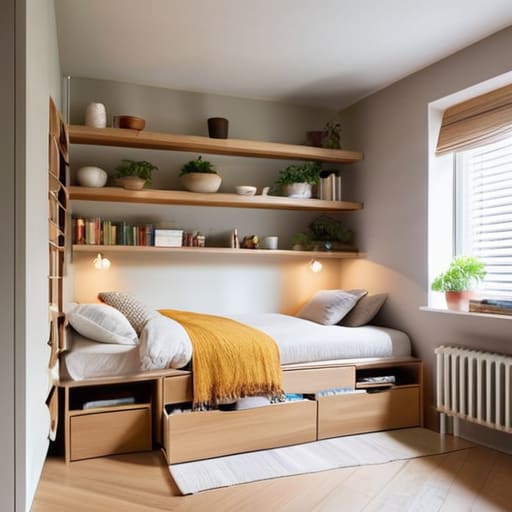
I spent three years living in a studio apartment where “living space” was a polite euphemism for “the three feet between my bed and my toaster.” I used to spend my Sunday evenings staring at a pile of half-unpacked boxes, feeling like I was failing at adulthood because I couldn’t figure out how to plan storage in a small flat without turning my home into a warehouse. Most of the advice you see online is rubbish—it’s all about buying these aesthetic, modular nesting bins that look great on Instagram but cost a fortune and end up being completely useless the moment you try to actually fit a vacuum cleaner inside them.
I’m not here to sell you on a lifestyle overhaul or a suite of expensive, subscription-based organizational apps. I’m going to tell you how to look at your actual floor plan, identify the dead space you’re currently ignoring, and pick furniture that does more than just sit there looking pretty. We’re going to focus on practicality over aesthetics, looking at what things actually cost, how much they weigh, and—most importantly—whether they’ll actually make your daily life easier or just add to the clutter.
Table of Contents
Maximizing Square Footage Without Losing Your Mind
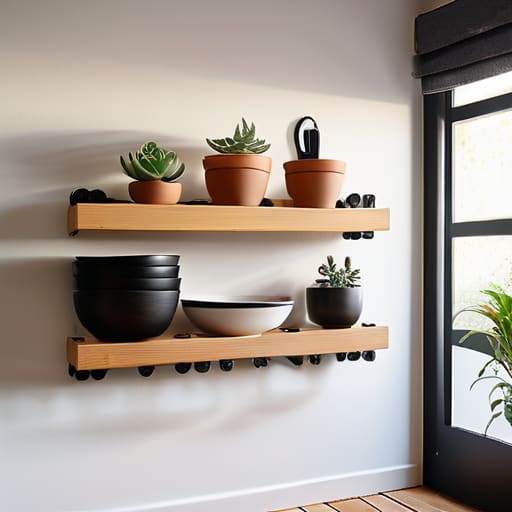
The biggest mistake I see people make when they move into a smaller place is trying to fit their old life into it. You cannot simply shrink your belongings; you have to change how they sit in the room. If you’re serious about maximizing square footage, you need to stop looking at the floor and start looking at the walls. I’m a huge advocate for wall mounted organizers—think heavy-duty floating shelves or pegboards in the kitchen—because if it isn’t taking up floor space, it isn’t making the room feel like a hallway.
Once you’ve cleared the walls, look at your furniture. If a piece of furniture only does one thing, it’s probably costing you too much in mental energy. I lean heavily on multipurpose furniture ideas that actually work, like an ottoman with a lid or a bed frame with built-in drawers. Just a warning: avoid those cheap, flimsy “space-saver” gadgets you see in targeted ads. They usually break within six months, and then you’re just left with more junk to deal with. Buy the sturdy stuff once, and you won’t have to fix it later.
Hidden Storage Solutions That Actually Stay Hidden
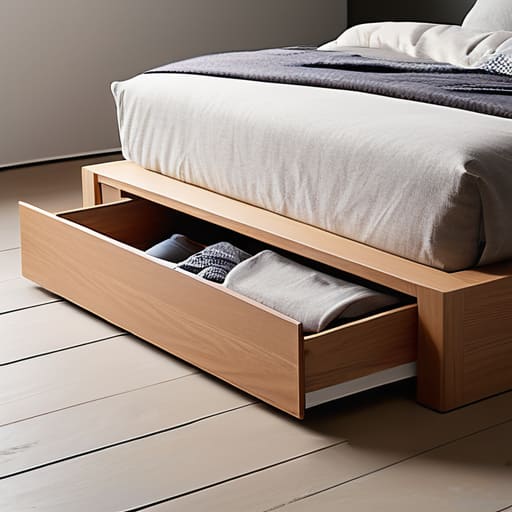
The problem with most “space-saving” advice is that it ends up looking like a cluttered showroom. If every surface is covered in baskets and bins, you haven’t actually solved the problem; you’ve just redistributed the mess. To really make a difference when organizing tiny living spaces, you need to look at the gaps you usually ignore. I’m talking about the dead space under your bed or that awkward six-inch gap between your wardrobe and the wall. Get some slim, rolling bins for those spots. They aren’t glamorous, but they keep the visual noise down, which is half the battle.
If you’re looking at multipurpose furniture ideas, be careful. I’ve seen too many people buy a coffee table that doubles as a storage chest, only to realize they can’t actually sit on it or reach what’s inside without a struggle. If you go this route, make sure the mechanism is sturdy. If it feels like it’s going to snap the first time you open it, don’t buy it. The goal is to have things tucked away where they don’t demand your attention every time you walk through the room.
Five ways to stop the clutter from winning
- Measure your actual walking paths, not just your floor space. There is nothing worse than buying a “space-saving” sideboard only to realize you can’t actually open your front door or walk past it without doing a side-shuffle. Use a piece of masking tape on the floor to mark out the footprint of any new furniture before you click ‘buy’.
- Go vertical, but don’t buy the expensive designer stuff. Most people forget that the six inches of space between the top of their wardrobe and the ceiling is a goldmine for things they only use once a year, like the heavy winter duvet or the extra guest towels. Get some sturdy, uniform plastic bins—not the cheap ones that crack under pressure—and stack them up there.
- Audit your “just in case” items. I spent years in IT watching people hoard cables for devices that haven’t existed since 2012. If you haven’t touched a gadget or a specific piece of gear in two years, it’s not “storage,” it’s just expensive clutter. If you can’t find a place for it that doesn’t feel like a struggle, you probably don’t need it.
- Use the “one in, one out” rule for everything that isn’t a tool. If you buy a new jumper, an old one has to go. It sounds tedious, but in a small flat, your inventory is a zero-sum game. If you keep adding without subtracting, you aren’t “organizing,” you’re just rearranging a mess.
- Invest in furniture that actually does a job. A coffee table that is just a slab of wood is a wasted opportunity. Get the one with drawers or a lift-top. It’s better to have one piece of furniture that performs two functions than two pieces that make your living room feel like a Tetris game gone wrong.
The three things you'll actually remember
Stop buying “aesthetic” storage that doesn’t fit your actual stuff; if you have to fight with a drawer to close it, the system has already failed.
Prioritise vertical space and things that move—if a piece of furniture doesn’t have wheels or a shelf above it, it’s wasting the most valuable real estate in your flat.
Always check the “exit strategy” for smart storage gadgets; if a fancy automated organizer requires a monthly subscription to keep your bins synced, just buy a plastic tub and save your money.
The truth about "smart" furniture
Most people think they need a modular, multi-functional sofa with built-in drawers to solve their space problems, but usually, you just need to stop buying things that are too big for your hallways and start using the vertical space you’re already paying rent for.
Saoirse Doyle
Don't let the clutter win
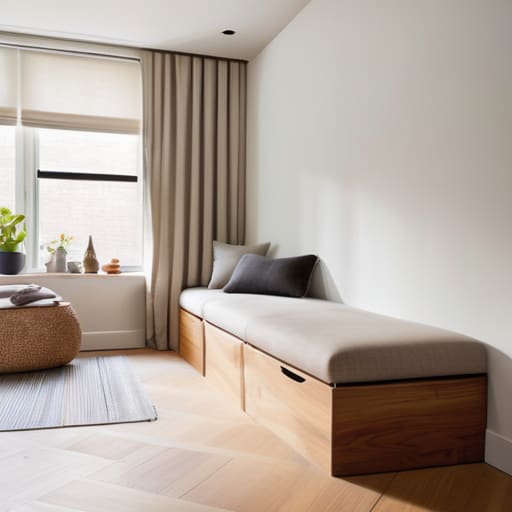
At the end of the day, planning storage isn’t about finding a magical, hidden compartment for every single thing you own. It’s about being honest with yourself about what you actually use versus what you’re just holding onto because you feel guilty about the price tag. We’ve talked about using vertical space, picking furniture that pulls double duty, and finding those quiet corners behind doors where the visual noise disappears. If you do even half of this, you’ll notice that your flat starts feeling less like a Tetris game you’re losing and more like a place where you can actually breathe. Just remember: if a storage solution requires you to move five different boxes just to reach your favorite mug, it isn’t a solution, it’s just a different kind of mess.
My advice? Stop waiting for a bigger place to finally feel organized. You don’t need a sprawling house or a custom-built walk-in wardrobe to have a functional life; you just need a system that doesn’t require a manual to operate. Start with one corner, one shelf, or even just one drawer. Get that one part working so it stays out of your way, and then move on to the next. The goal isn’t to have a showroom-perfect apartment that looks like nobody lives there; the goal is to make your home work for you instead of the other way around.
Frequently Asked Questions
How do I decide what to keep and what to actually get rid of without feeling like I'm throwing away my life?
Stop treating your belongings like a museum of your former selves. If you haven’t touched that hobby kit since 2019, it’s not an “investment,” it’s just clutter. I use a simple rule: if I had to buy it again today, would I? If the answer is “probably not,” it goes. Don’t do a “big purge”—that’s how you end up crying on the floor. Just do one drawer at a time.
Should I invest in expensive modular furniture now, or just buy cheap stuff and see what works?
Don’t drop three months’ rent on a modular system before you’ve lived in the space for a full season. Most people buy expensive “flexible” furniture only to realize the modular pieces don’t actually fit their specific quirks—like that one awkward corner by the radiator. Buy the cheap stuff first. Use it to figure out your actual movement patterns. Once you know where the clutter actually lands, then you can invest in the heavy-duty stuff.
What's the best way to organize things I only use once a year so they don't take up my daily living space?
If you only touch it once a year, it shouldn’t be in your line of sight. Get some uniform, clear plastic bins—not the cheap flimsy ones that crack under pressure—and label them clearly. Stick them under the bed or on the highest shelf in your closet. If you’re renting and don’t have high shelves, a vacuum-seal bag is your best friend for bulky stuff like winter coats or guest bedding. Just remember: if you can’t see it, you’ll forget you own it.
