
I spent six years on a helpdesk listening to people explain why their expensive, high-tech solutions weren’t working, and I see the exact same pattern with home maintenance. You don’t need a $700 smart air purifier that pings your phone every time a particle drifts by, and you certainly don’t need a twelve-step ritual involving specialized microfiber sprays that cost more than my sourdough starter. Most of the advice you find online about how to keep a house dust free is designed to sell you a subscription to a cleaning service or a gadget that will eventually end up in a landfill. It’s all unnecessary noise that makes you feel like you’re failing at basic living.
I’m not here to sell you a lifestyle or a new piece of hardware. Instead, I want to give you the boring, functional version: the actual sequence of movements that stops the buildup without wasting your Saturday. We’re going to talk about which vacuums actually have the suction to matter, why your current dusting method is likely just moving the problem around, and what to clean first so you aren’t just spinning your wheels. No hype, no fancy gadgets—just the most efficient way to get the grit out of your life.
Table of Contents
- Microfiber Cleaning Techniques That Actually Stop the Spread
- Why Your Vacuum Cleaner Suction Power Is Lying to You
- The low-effort checklist: things you can actually do without buying a robot
- The low-maintenance dust strategy
- The truth about the "clean" feeling
- The reality of the dust battle
- Frequently Asked Questions
Microfiber Cleaning Techniques That Actually Stop the Spread

If you’re still using a feather duster, please stop. You aren’t cleaning; you’re just rearranging the particles and launching them into the air, which is a terrible way to handle indoor air quality improvement. Every time you flick a duster, you’re sending dust straight into your lungs or onto the one surface you actually just cleaned.
The trick is to use high-quality microfiber cloths. Unlike cotton rags or old t-shirts, microfiber is designed with tiny hooks that actually grab and hold onto the grit rather than pushing it around. For the best results, I suggest a damp method. You don’t need to soak the cloth—just a light mist of water or a basic cleaner is enough to make the fibers “sticky” for the dust. This is one of the most effective microfiber cleaning techniques for preventing dust buildup on tricky spots like baseboards or the tops of picture frames.
One thing to remember: once a cloth is covered in grey sludge, it’s done. Don’t just keep wiping with the same dirty rag, or you’re essentially just painting your furniture with fine silt. Throw them in the wash, and if you’re using fabric softener, stop. It coats the fibers and ruins their ability to grab dust next time.
Why Your Vacuum Cleaner Suction Power Is Lying to You
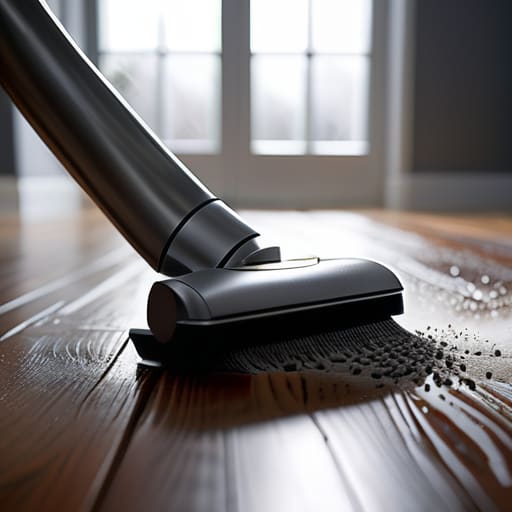
Most people think a vacuum is working because it’s making a loud, aggressive noise. In my experience on the helpdesk, I learned that noise doesn’t equal performance; it usually just means the motor is working too hard. If your machine sounds like a jet engine but you’re still seeing fine grey grit on the floorboards, your vacuum cleaner suction power is a lie. It’s likely just blowing the smallest, most irritating particles right back out through the exhaust.
The real metric isn’t how much “pull” you feel, but what stays trapped inside the machine. This is where most people get burned by marketing. If you aren’t using a model with certified HEPA filter benefits, you aren’t actually cleaning; you’re just redistributing dust into the air you breathe. A high-end motor is useless if the filtration system is cheap plastic. If you want actual allergen reduction methods that work, stop looking at the wattage on the box and start looking at the seal around the filter. If the seal is leaky, you’re essentially just running a very expensive, very loud fan that spreads dust around your living room.
The low-effort checklist: things you can actually do without buying a robot
- Stop using feather dusters. They are basically just tiny brooms that move the dust from your coffee table into your lungs and then back onto the bookshelf. Use a damp microfiber cloth instead; if the dust isn’t sticking to the cloth, you’re just rearranging the problem.
- Check your HVAC filters every three months, not when the air starts smelling like a basement. If you buy the high-end, expensive HEPA filters, just know they restrict airflow more than the cheap ones. It’s a trade-off between cleaner air and a harder-working furnace.
- Manage your “dust magnets.” We all have them—those knick-knacks and stacks of paper that collect debris. If you haven’t touched a decorative object in six months, put it in a drawer or a closed cabinet. If it’s behind glass, it stays clean; if it’s out in the open, you’re just cleaning for the sake of cleaning.
- Control the entry points. A heavy-duty mat outside and a washable rug inside are your best defense. Most of the “dust” in your house is actually just microscopic bits of dirt and skin cells tracked in from the street. If you stop it at the door, you don’t have to vacuum it in the living room.
- Watch your laundry habits. Lint is a massive contributor to household dust. Clean your dryer lint trap every single time, and if you notice a sudden spike in dust, check if your washing machine is leaving residue on your clothes. It’s a small thing, but it’s easier to fix a filter than to scrub a room.
The low-maintenance dust strategy
Stop using feather dusters; they just move the particles into the air to settle somewhere else later. Use damp microfiber cloths to actually trap the grit and pull it out of the room.
Check your vacuum filters every month. If they’re clogged, you aren’t cleaning; you’re just blowing fine dust out the exhaust and right back into your breathing zone.
Don’t buy a “smart” air purifier that promises miracles. Just keep your windows shut on high-pollen days and make sure your HVAC filters are changed on a schedule you can actually stick to.
The truth about the "clean" feeling
Most people think they have a dust problem when they actually just have a circulation problem; you aren’t failing at cleaning if the dust comes back, you’re just fighting a losing battle against your own HVAC system and a vacuum that hasn’t had its filters changed since the last administration.
Saoirse Doyle
The reality of the dust battle
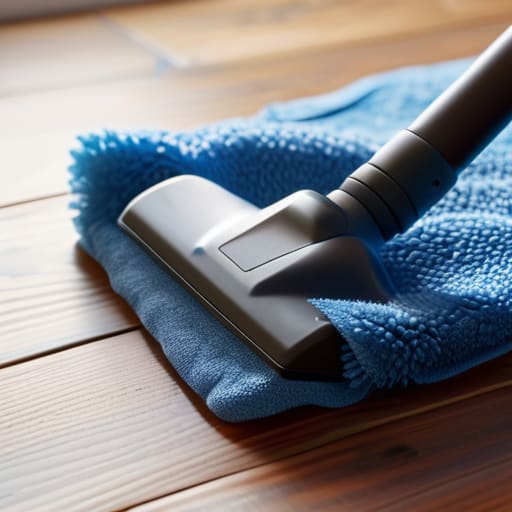
At the end of the day, keeping a house dust-free isn’t about finding a magical, expensive gadget that promises a sterile environment. It’s about realizing that dust is just a byproduct of living, and your goal is simply to manage the volume so it stops settling on your electronics and making you sneeze. Use the microfiber cloths to actually trap the particles instead of just moving them around, and please, for the love of your lungs, check your vacuum filters more often than once a year. If you fix the suction and stop the spread during the actual wiping, you’ll find you aren’t fighting a losing battle every single weekend. It’s about lowering the friction of your cleaning routine so it doesn’t feel like a second job.
Don’t let the “cleanfluencer” videos on social media make you feel like you’re failing because your baseboards aren’t sparkling. Most of those people are performing for a camera, not living in a real home with pets, kids, or even just a breeze coming through the window. My advice is to pick a rhythm that works for your actual life, not a theoretical one. If you can keep the surfaces clear and the air moving, you’ve already won. Keep it simple, keep it functional, and then go do something much more interesting than staring at a shelf of dust.
Frequently Asked Questions
Is it actually worth buying a HEPA filter for my vacuum, or am I just paying for a fancy label?
Look, if you have allergies or live in a house with pets, it’s worth the extra twenty quid. A standard filter just sucks up the big stuff and spits the microscopic particles—the stuff that actually makes you sneeze—right back out the exhaust. If you’re just cleaning up spilled cereal once a week, skip it. But if you want the vacuum to actually remove dust rather than just relocating it, get the HEPA.
How often should I really be changing my HVAC filters if I have pets?
If you have pets, the “change every three months” rule on the box is a lie. With hair and dander flying around, you’re likely looking at every 30 to 45 days. I used to see people blow their HVAC motors because they waited for the filter to look grey; by then, it’s already a brick. Just grab a cheap bulk pack of pleated filters. Don’t get the ultra-expensive HEPA ones for your vents; they just choke your system.
If I switch to a robot vacuum, will it actually help with the dust or just move it around under the sofa?
It’ll help, but only if you stop treating it like a magic wand. A robot vacuum is great for daily maintenance—it catches the fine grit before it settles—but it isn’t a replacement for a real clean. If you don’t clear the floor of cables and rogue socks, it’ll just bump into things and redistribute the dust into corners. Also, check the filters; if you don’t wash them, you’re just blowing dust back into the air.
