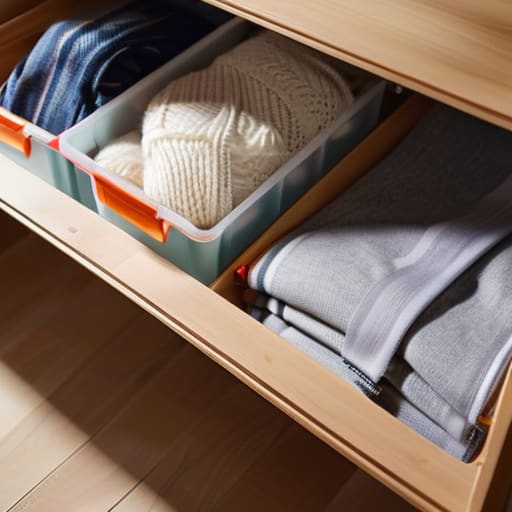
I spent six years on a helpdesk listening to people explain why their “perfect” software wasn’t working, when the truth was they just hadn’t learned the basics. I see the same thing happening with home organization. You don’t need a $300 custom shelving system or a color-coded label maker to figure out how to organise seasonal storage; you just need to stop buying things that make the problem more complicated than it actually is. Most of the “life hacks” you see online are just expensive ways to feel like you’re getting your life together, usually involving plastic bins that cost a fortune and crack the moment you move them.
I’m not here to sell you a lifestyle or a subscription to a premium organizational app. Instead, I’m going to give you the boring, functional version: exactly what containers to buy that won’t break, how to label them so you actually find your heavy coats in November, and how to keep your stuff from becoming a permanent graveyard in the attic. We’re going to focus on systems that actually stick, even when you’re too busy to maintain them.
Table of Contents
Decluttering Before Storage if You Havent Touched It Toss It
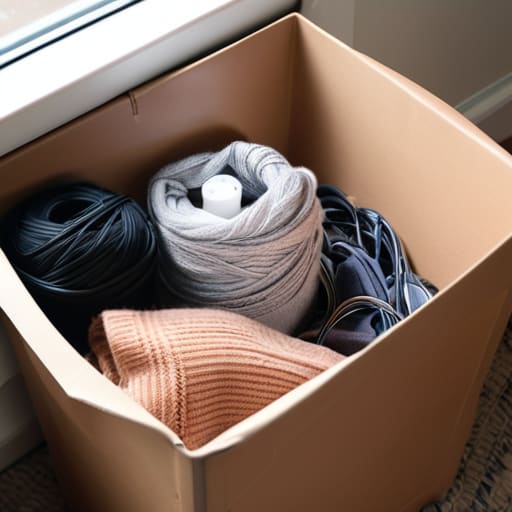
The biggest mistake I see people make is treating their storage bins like a graveyard for things they’re too polite to throw away. If you spend three hours meticulously labeling a bin only to realize six months later that it’s full of tangled chargers and single socks, you’ve wasted your time. Effective decluttering before storage isn’t about being minimalist; it’s about not paying rent (in square footage) for junk. If you haven’t looked at it since the last time the seasons changed, you probably don’t need it.
Before you even think about buying the best bins for long-term storage, do a sweep of the items in question. I use a very blunt rule: if I have to spend more than five minutes remembering what it is or why I kept it, it goes in the bin. This is also the time to check your textiles. If you’re packing away heavy knits, make sure they are actually clean; storing dirty clothes is a great way to ensure they come out looking worse due to protecting clothes from moisture and preventing mildew. Be ruthless now so you don’t have to deal with a mess later.
Best Bins for Long Term Storage What Actually Holds Up
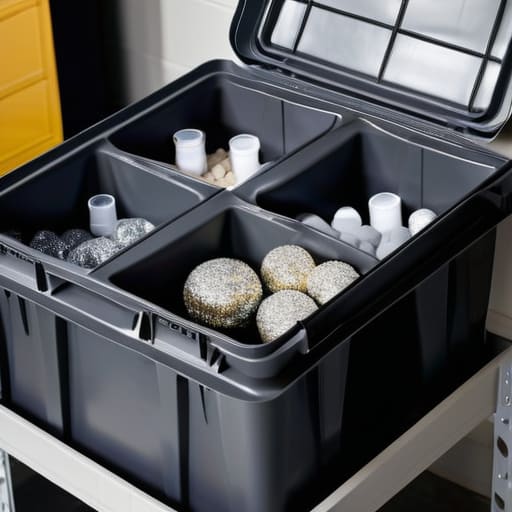
I’ve spent enough time in server rooms to know that if a container isn’t airtight, it’s basically just a slow-motion coffin for your stuff. When you’re looking for the best bins for long-term storage, ignore the flimsy, colorful plastic tubs you see in the supermarket aisles. They crack under pressure, and the lids don’t actually seal. Instead, look for heavy-duty polypropylene bins with locking lids. If you are organizing seasonal decor—like those delicate Christmas lights or velvet cushions—you need something that won’t let the humidity in.
If you’re storing textiles, the stakes are higher. You aren’t just looking for space-saving storage solutions; you’re protecting clothes from moisture and preventing that dreaded “attic smell.” I recommend clear, gasket-sealed bins. The transparency is worth the extra few pounds because it makes inventory management for home much easier—you won’t have to play “guess the box” every October. Just a heads-up: these high-quality bins usually cost about twice as much as the cheap ones, but they won’t shatter the first time you stack them in the garage.
Five ways to stop digging through plastic boxes every six months
- Label the side, not the lid. When you stack three bins on top of each other in the attic or garage, you aren’t going to be flipping them over like playing cards to see what’s inside. Use a thick permanent marker on the side facing you, or better yet, a piece of masking tape. It’s low-tech, but it works.
- Group by “event,” not just category. Instead of having one bin for “winter” and another for “decorations,” try grouping by how you actually use them. A “Christmas Morning” bin with the tree skirt, the specific ornaments you love, and the lights is much easier to grab than a generic “Holiday” box that requires a scavenger hunt.
- The “one-in, one-out” rule for seasonal gear. If you pull out your heavy winter coats and realize you have three that don’t fit or that you haven’t worn since 2019, don’t put them back in the bin. Donate them now. If you keep adding to the pile, your storage solution will eventually become a storage problem.
- Use clear bins, but don’t rely on them entirely. Clear plastic is great because you can see the silhouette of a sweater or a pumpkin, but it doesn’t tell you if that’s the blue sweater or the navy one. Use the visibility to your advantage, but keep those side labels honest.
- Don’t forget the “subscription trap” of smart storage. You’ll see ads for “smart” inventory apps that promise to track everything you own. Most of them require a monthly fee just to keep your data live. Unless you are running a small warehouse, a notebook or a simple, free spreadsheet is more than enough. If you stop paying for a fancy app, you usually lose the ability to see what’s in your own garage.
The quick version
If you aren’t sure if you’ll use it next year, you probably won’t. Don’t pay to store things you’re only keeping out of guilt.
Buy heavy-duty plastic bins with actual lids, not the flimsy ones from the supermarket. If a bin cracks under its own weight in six months, you’ve just wasted money and made more work for yourself.
Label everything on the side, not the lid. When you stack them in the loft or garage, you’ll actually be able to see what’s inside without playing a game of Tetris.
## The cost of "just in case"
“The biggest mistake people make isn’t buying the wrong bins; it’s paying rent in your limited cupboard space for items you haven’t actually touched since the previous decade. If you’re storing it ‘just in case,’ you aren’t organizing—you’re just archiving clutter.”
Saoirse Doyle
Getting it over with
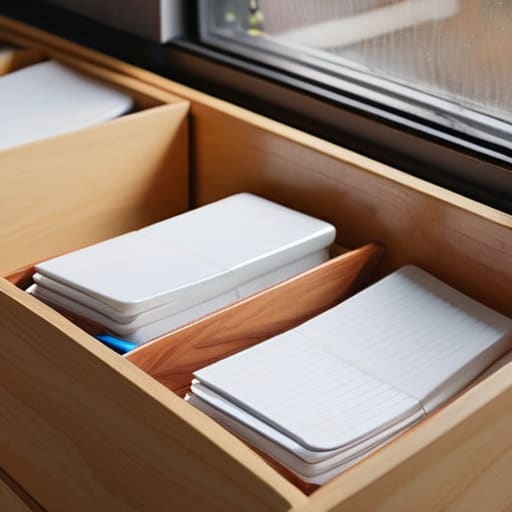
At the end of the day, seasonal storage isn’t about achieving some Pinterest-perfect aesthetic; it’s about making sure you aren’t digging through a mountain of dusty cardboard in six months just to find a single pair of wool socks. You’ve picked the right bins, you’ve actually had the courage to toss the stuff you don’t use, and you’ve labeled everything clearly enough that a stranger could find it. If you’ve followed the steps, you’ve done the hard part. Now, just make sure you write down exactly where those bins are sitting—either in a digital note or a physical list—so you aren’t playing hide-and-seek with your own belongings when the temperature finally drops.
Don’t let the idea of “getting organized” turn into another expensive hobby or a source of guilt. Most people spend way too much time looking for the perfect system when what they actually need is a system that simply stays out of the way. Once these bins are tucked into their corner, your job is done. You don’t need to manage them, curate them, or think about them again until next season rolls around. The best organization is the kind you can forget about, because that means it’s actually working.
Frequently Asked Questions
Do I really need to vacuum-seal my winter clothes, or is that just a way to ruin my sweaters?
Short answer: yes, it can ruin them. If you’re storing heavy wool or chunky knits, skip the vacuum bags. Crushing those fibers for six months straight is a great way to permanently lose the shape and “loft” of your sweaters. You’ll pull them out in spring and they’ll look flat and lifeless. For those, stick to breathable cotton bins or even clean pillowcases. Save the vacuum sealing for your summer linens and bulky duvets instead.
How do I keep things from smelling like a damp basement if I'm storing them in the garage?
The smell usually comes from two things: humidity and trapped air. If you’re using those plastic bins we talked about, make sure they have actual gaskets—the ones with the rubber seals. If they don’t, your “airtight” container is just a fancy box for damp air. Toss a few silica gel packets or even some activated charcoal sachets inside each one. It’s a small cost to prevent your winter sweaters from smelling like a wet dog.
If I use clear plastic bins, will they eventually crack or turn yellow in the attic?
The short answer is yes, they probably will. If you’re tucking bins into a hot attic, that temperature swing is the enemy. Cheap, thin plastic gets brittle and cracks under the heat, and the UV exposure (if you have any skylights) will turn them that nasty shade of yellow. If you want to avoid the “plastic graveyard” in five years, skip the flimsy ones and go for heavy-duty, opaque polypropylene. It’s more expensive upfront, but it won’t shatter when you try to move it.
