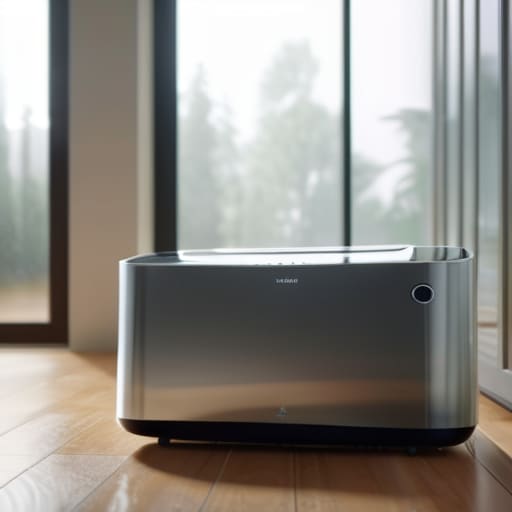
I remember the exact moment I realized my spare room wasn’t just “chilly,” but actually rotting. I walked in to grab a spare monitor and was hit by that thick, heavy scent of damp laundry and old basement—the kind of smell that sticks to the back of your throat. I spent an hour Googling what does a dehumidifier do and ended up staring at three different “smart” models that promised to revolutionize my life via a subscription-based app. It felt like a massive scam. Most of those flashy marketing pages won’t tell you that a dehumidifier is essentially just a condenser in a plastic box designed to stop your drywall from turning into a science experiment.
I’m not here to sell you on a “smart home ecosystem” or a gadget that requires a monthly fee just to see your humidity levels. Instead, I’m going to walk you through how these machines actually pull water out of the air, which ones are worth the electricity, and—most importantly—what actually breaks after a year of heavy use. We’ll skip the hype and focus on the mechanics, the maintenance, and the real cost of keeping your air from feeling like a swamp.
Table of Contents
How Dehumidifiers Remove Moisture Without Breaking Your Spirit

Most dehumidifiers work on a principle that’s essentially a glorified air conditioner, but without the luxury of making you feel like you’re sitting in a fridge. The machine pulls air across cold coils, which causes the moisture to condense into liquid water—just like the beads of sweat on a cold soda can on a summer day. This water drips into a bucket or out through a hose, while the drier air is pushed back into the room. It’s a mechanical way of controlling indoor air quality without you having to constantly open and close windows, which usually just lets more dampness back in.
The trick to not letting the machine become a chore is understanding the maintenance. If you have a unit with a manual tank, you’ll be playing “water porter” every single day, which is a quick way to hate the device. I always suggest looking for a model with a continuous drain option if you’re reducing dampness in a basement or a crawlspace. If you can hook it up to a garden hose or a pump, you can set it, forget it, and go back to your sourdough starter without worrying about an overflow.
The Relative Humidity Ideal Range You Actually Need to Hit

If you ask a scientist, they’ll give you a precise decimal point. If you ask me, I’ll tell you that aiming for perfection is a great way to watch your electricity bill climb for no reason. For most homes, the relative humidity ideal range sits somewhere between 30% and 50%. If you drop below 30%, your skin starts feeling like parchment and your wooden furniture might actually start creaking in protest. If you climb above 50%, you’re essentially inviting unwanted guests to the party.
The real goal here isn’t just comfort; it’s about preventing mold growth before it becomes a structural problem. I spent years in IT seeing how dampness ruins hardware, and it’s the same for your house. If you’re reducing dampness in a basement, you’ll likely find that the air feels heavier and more “stagnant” once you hit that 50% threshold. Keep your hygrometer (that little device that measures moisture) set to aim for 45%. It’s the sweet spot where the air feels fresh, your stuff stays safe, and you aren’t running the machine 24/7 just to keep up with the weather.
Five things to keep in mind before you plug one in
- Size matters more than the fancy features. If you buy a small unit meant for a walk-in closet and try to use it in a damp basement, you’ll just be listening to a motor run 24/7 without actually seeing the humidity numbers move. Check the square footage rating on the box.
- Don’t forget about the drain hose. You can either empty the little bucket by hand every time it gets full—which is a chore you will eventually stop doing—or you can buy a model with a continuous drain option and run a hose straight to a floor drain. I highly recommend the hose; your future self will thank you.
- Watch your electricity bill. Dehumidifiers are essentially small, thirsty heaters that work by pulling air through cold coils. They aren’-t “set it and forget it” like a lightbulb; if you leave a high-powered unit running on the highest setting in an empty room, you’re just paying the utility company for the privilege of a dry floor.
- Keep it away from the walls. These things need to breathe to work. If you shove it into a tight corner right against the drywall, you’re choking the airflow and making the machine work twice as hard for half the result. Give it at least a foot of breathing room on all sides.
- Clean the filter regularly. If the filter gets clogged with dust and pet hair, the machine can’t pull air through the coils, and your humidity levels will stay high even while the machine is humming away. It’s a five-minute job with a vacuum, but if you skip it, you’re basically just running an expensive paperweight.
The quick version
A dehumidifier isn’t a magic wand; it’s a mechanical way to pull water out of the air so your house doesn’t feel like a damp sponge or a breeding ground for mold.
Aim for 30% to 50% humidity—anything higher and you’re inviting dust mites and that “old basement” smell into your living space.
Watch your power bill and the noise; these things pull a lot of energy and can be quite loud, so don’t stick a loud, thirsty unit right next to your bed unless you like sleeping in a server room.
## The reality of running one
A dehumidifier isn’t some magical air purifier; it’s basically just a way to stop your house from feeling like a lukewarm sponge and to keep your electronics from slowly being reclaimed by the damp.
Saoirse Doyle
The bottom line on dampness
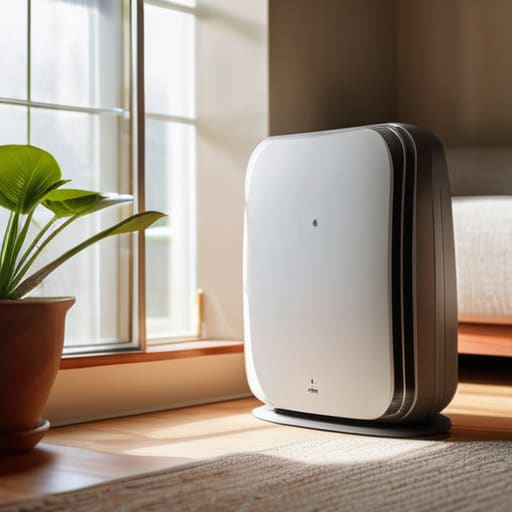
At the end of the day, a dehumidifier isn’t some magic gadget that fixes a leaky roof or a broken pipe. It’s just a tool to manage the air you’re already breathing. You want to aim for that 30% to 50% sweet spot to keep the mold away and stop your electronics from feeling perpetually tacky. Just remember that these machines aren’t “set and forget” forever; they need their filters cleaned and their buckets emptied, or they’ll just become another piece of expensive, humming clutter in your corner. If you buy one, get a model with a continuous drain option if you can, otherwise you’ll spend more time playing waiter to a water tank than actually enjoying your space.
Don’t let the endless cycle of home maintenance tech make you feel like you’re failing at life. Most of us are just trying to keep our living rooms from feeling like a damp cave, and that is a perfectly valid goal. You don’t need a smart-home ecosystem that tracks every milligram of humidity via a subscription app; you just need a machine that does its job quietly in the background. Get the right tool, keep it clean, and then get back to living your life instead of managing your appliances.
Frequently Asked Questions
How much is this actually going to add to my monthly electricity bill?
The short answer is: it depends on how much of a swamp you’re dealing with. A standard compressor dehumidifier is essentially a small space heater running in reverse, so it pulls power. If you run a mid-sized unit on a timer or until it hits 50% humidity, expect an extra $15 to $30 a month. If you leave it running 24/7 in a damp basement, that number climbs. Check the Energy Star label; it’s the only way to avoid a surprise bill.
Do I need a massive industrial unit, or will a small one for the bedroom do?
Don’t go buying an industrial unit just because you saw one in a hardware store aisle. Unless you’re trying to dry out a literal basement or a flooded garage, it’ll just be a noisy, expensive paperweight that eats electricity. For a bedroom, a small, compact unit is plenty. It’ll handle the dampness from your breath and the occasional shower without sounding like a jet engine taking off next to your head while you’re trying to sleep.
What happens if I forget to empty the water tank for a few days?
If you forget to empty the tank, most modern units will simply hit a float switch and shut themselves off. You’ll see a little “Full” light or an error code, and the machine will stop pulling moisture until you dump the water. It won’t explode, but it also won’t help your damp room. If you have a continuous drain hose attached, you’re fine—just make sure the hose isn’t kinked, or you’ll end up with a puddle.
