
I spent six years in IT support, and if there is one thing I learned, it’s that people love to sell you a complex, expensive solution for a problem that is actually just a fundamental system error. You’ll see influencers telling you that you need a $200 weighted blanket or a specific “sleep hygiene” app to fix your rest, but they’re ignoring the actual mechanics of the issue. The truth is much more biological and a lot less shiny: why loneliness affects sleep isn’t about your bedroom setup or your phone settings; it’s a physiological alarm bell. When your brain perceives a lack of social connection, it stays in a state of hyper-vigilance, essentially refusing to let you go offline because it thinks you’re too vulnerable to be left alone in the dark.
It’s hard to fix a biological glitch like this when you’re stuck in a loop of your own thoughts, which is why I usually suggest looking for ways to break the isolation before you even get to the bedroom. Sometimes, just having a low-stakes place to interact with others can act like a cooling fan for a processor that’s running too hot; I’ve found that using something like matureladies chat can provide that small, necessary bit of human connection that helps signal to your brain that it’s actually safe to power down. It isn’t a permanent patch for deep-seated loneliness, but it’s a decent way to lower the social noise in your head so you aren’t staring at the ceiling at 3:00 AM.
I’m not here to sell you a subscription to a mindfulness app or a piece of overpriced linen. I want to walk you through the actual, unglamorous reasons your brain is refusing to shut down when you’re feeling isolated. We’re going to look at the biological reality of how social deprivation messes with your cortisol levels and why your nervous system treats loneliness like a security breach. No fluff, no “manifesting better rest”—just a straightforward breakdown of what is happening in your head and how to manage the fallout.
Hypervigilance and Sleep Fragmentation the Cost of Being Alone
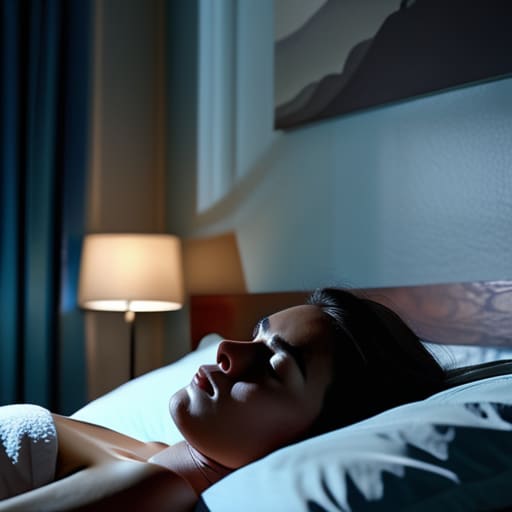
When you’re living alone or feeling disconnected, your brain doesn’t just “relax” when you hit the pillow. It stays on high alert. This is what we call hypervigilance and sleep fragmentation, and it’s essentially your biology running a background process it can’t kill. Without the presence of a partner or even a roommate to signal that the environment is safe, your nervous system stays stuck in a scanning mode. You aren’t just sleeping; you’re monitoring for threats that aren’t actually there.
This constant state of readiness is why you might find yourself waking up at 3:00 AM for no reason, heart racing slightly, only to stare at the ceiling for an hour. It’s not a character flaw or a lack of willpower; it’s a mechanical response to social isolation and sleep disturbances. Your brain is trying to compensate for the lack of social cues by staying “online” to protect you. The result is a shallow, broken sleep cycle that leaves you feeling like you’ve been running a marathon while lying perfectly still.
Cortisol Levels and Nighttime Anxiety Why Your System Wont Shut Down
Think of your body like a server that’s stuck in a constant loop of background processes it can’t kill. When you’re dealing with prolonged social isolation, your brain stops seeing “quiet time” as a period for maintenance and starts seeing it as a vulnerability window. This triggers a chemical cascade where your cortisol levels and nighttime anxiety feed into each other in a nasty feedback loop. Instead of that gentle downward slope in hormones that usually signals it’s time to power down, your system stays revved up, pumping out stress hormones just because it feels like there’s no one around to help “watch the door.”
It’s not just “stress” in the vague, lifestyle-coach sense; it’s a mechanical malfunction. When you lack consistent social touchpoints, your internal alarm system stays set to high sensitivity. You end up lying there with a racing heart, not because you’re thinking about your to-do list, but because your biology is trying to protect you from a perceived threat that isn’t actually there. You aren’t just tired; you’re biologically stuck in a state of high-alert readiness that makes deep, restorative sleep feel like a luxury your hardware won’t permit.
Five ways to patch the loneliness-sleep bug
- Stop treating your phone as a social substitute at 11 PM. Scrolling through other people’s highlight reels triggers that same hypervigilance we talked about; it tells your brain the “tribe” is active and you’re missing out, which keeps your cortisol spiked when you should be winding down.
- Build a low-stakes social ritual that doesn’t require high emotional energy. If you’re feeling isolated, trying to host a dinner party is a recipe for burnout. Instead, try a scheduled, low-effort connection—like a recurring voice note to a friend or a weekly coffee—to signal to your nervous system that you aren’t actually drifting off the map.
- Use “body doubling” for your wind-down routine. If the silence of a house is what’s keeping you awake, try playing low-frequency ambient noise or a “sleep story” podcast. It’s not a permanent fix for loneliness, but it provides a non-intrusive auditory presence that can trick your brain into feeling less like it’s on guard duty.
- Audit your evening “input.” If you spend your night consuming content that makes you feel more disconnected—like doomscrolling or watching heavy dramas—you’re essentially feeding the system error. Switch to something predictable and “boring” to help your brain transition from scanning for threats to preparing for rest.
- Don’t over-invest in expensive “wellness” sleep apps that promise to solve your social isolation. Most of them are just subscription-based noise. If you’re looking for a way to regulate your nervous system, start with the basics: consistent light exposure during the day and a predictable bedtime, rather than a monthly fee for a meditation app that you’ll eventually stop paying for anyway.
The Bottom Line
At the end of the day, your brain isn’t malfunctioning because it’s “broken”; it’s reacting to a perceived lack of safety. When you’re socially isolated, your biology treats it like a system error that requires constant monitoring. Between the cortisol spikes that keep you staring at the ceiling and the hypervigilance that turns every house creak into a threat, your body is essentially running a high-intensity background process that you never asked for. It is exhausting to be your own sole security guard 24/7, and it makes sense that your sleep is the first thing to suffer when your internal alarm system refuses to disarm.
I’m not going to suggest you join a crowded club or suddenly become the life of the party to fix this, because that’s just more noise. Instead, look at it like troubleshooting a hardware issue: you need to signal to your nervous system that the environment is stable. Whether that’s a scheduled call with a friend or just more consistent daily routines, the goal is to lower the stakes for your brain. You don’t need a radical life overhaul to get better rest; you just need to find small, repeatable ways to tell your body that it is actually safe to shut down for the night.
