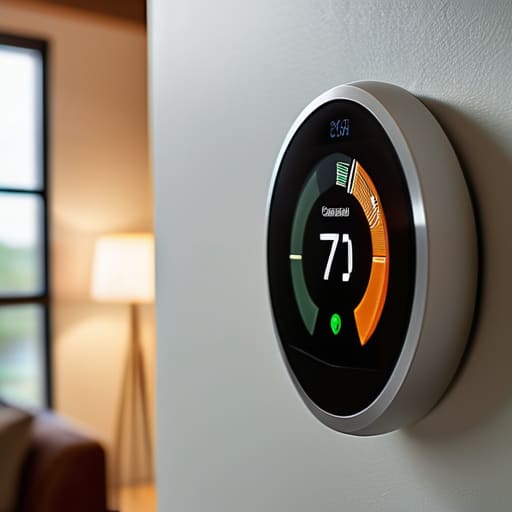
I spent six years on a helpdesk listening to people complain about “smart” devices that actually made their lives more complicated, so when I see marketing for a new climate control system, my first instinct is to look for the catch. Most people asking what is a smart thermostat are being sold a dream of effortless living, but usually, they’re just being sold a piece of plastic that requires a stable Wi-Fi connection and a subscription just to keep the history of your temperature changes. You don’t need a device that tries to predict your soul; you just need something that actually works when you’re trying to sleep in a freezing house.
I’m not here to tell you that buying one will fundamentally change your existence or save you a fortune overnight. Instead, I’m going to walk you through the actual mechanics of how these things function, what the installation headache looks like, and—most importantly—what happens to your heating schedule if the company decides to move their features behind a monthly paywall. We’ll look at the real costs, the common points of failure, and whether your current, “dumb” setup is already doing the job just fine.
Table of Contents
- Learning Thermostat Technology vs Your Basic Programmable Model
- Remote Temperature Control Convenience or Just Another Distraction
- Five things to check before you let a gadget touch your HVAC
- The bottom line on smart thermostats
- The reality of "smart" heating
- The Bottom Line
- Frequently Asked Questions
Learning Thermostat Technology vs Your Basic Programmable Model
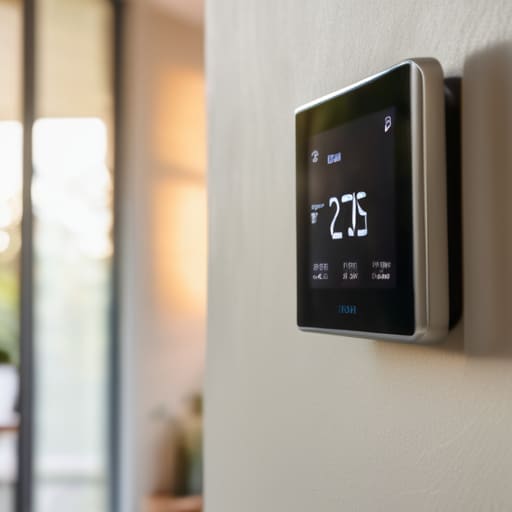
The main difference between a standard programmable model and learning thermostat technology isn’t just the fancy touchscreen; it’s the amount of work you have to do. A basic programmable thermostat is a “set it and forget it” tool—if you actually remember to set it. You manually input a schedule, like 68 degrees at 10 PM and 72 degrees at 7 AM, and it follows those instructions blindly. It doesn’t know if you went on vacation or if you’ve started working from home three days a week. It just does what the buttons told it to do.
A learning thermostat, on the other hand, tries to act like a tiny, invisible assistant. Instead of you typing in a schedule, it watches your habits for the first week or two. It notices when you turn the dial down before bed or when you leave the house for work. Through smart home HVAC integration, it builds its own routine based on your actual life. While this is great for reducing utility bills with smart tech, keep in mind that these devices can sometimes be a bit too “clever” for their own good, occasionally deciding you’re asleep when you’re actually just reading on the sofa.
Remote Temperature Control Convenience or Just Another Distraction
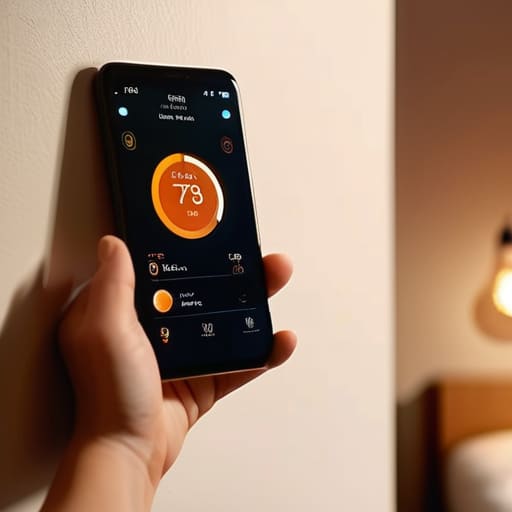
The biggest selling point for most people is the ability to change the temperature from your phone without getting off the couch. On paper, remote temperature control sounds like the peak of convenience. It’s great when you’re tucked into bed and realize the bedroom is freezing, or if you’re halfway to work and realize you left the heat blasting. It turns your HVAC system into something you can manage from anywhere, which is a nice bit of smart home HVAC integration if you actually use it.
However, I’ve seen this become a bit of a digital distraction. There is a certain type of person who spends more time fiddling with temperature sliders on an app than they do actually enjoying their home. If you find yourself constantly adjusting the settings every twenty minutes because you’re bored, you aren’t actually saving money; you’re just playing with a very expensive remote. The goal of reducing utility bills with smart tech is to let the device do the heavy lifting so you can stop thinking about it. If the app just becomes another notification to ignore, it’s not a tool—it’s just clutter.
Five things to check before you let a gadget touch your HVAC
- Check your wiring first. Most smart thermostats need a ‘C-wire’ (common wire) to provide constant power, otherwise, you’re looking at buying a separate power adapter or dealing with a device that dies every time your Wi-Fi hiccups.
- Look at the subscription trap. Some brands claim the hardware is a one-time cost but then hide the “smart” features—like energy reports or advanced scheduling—behind a monthly fee. If you stop paying, you’re basically left with a very expensive, very dumb programmable thermostat.
- Don’t over-rely on the “learning” bit. They are great at spotting that you turn the heat down at 10 PM, but if your schedule is erratic, the thermostat will spend weeks fighting you. Sometimes a simple, manual schedule is less frustrating than a machine trying to outsmart your lifestyle.
- Consider your Wi-Fi dead zones. If your thermostat is sitting in a hallway where your phone barely gets a signal, the “smart” part of the device is useless. You won’t be able to adjust it from your bed, and it won’t be able to talk to the cloud to save you money.
- Verify the “off-ramp.” Before buying, figure out how you get your data back. If you decide to switch brands in three years, make sure your temperature history and settings aren’t locked in a proprietary cloud that disappears the moment you uninstall the app.
The bottom line on smart thermostats
Don’t buy one just because it has an app; buy it if your current manual thermostat is a constant source of frustration or if your heating bills are actually hurting your budget.
Most “smart” features are just fancy ways to automate what you’re already doing, so make sure the device actually works with your existing HVAC wiring before you get your hopes up.
Check the subscription fine print—some brands will let you control the temperature for free, but they’ll lock the advanced energy-saving data or remote features behind a monthly fee.
The reality of "smart" heating
A smart thermostat isn’t a magic wand that fixes a drafty house or a broken boiler; it’s just a way to stop fighting with a plastic box on your wall every time you want to sleep comfortably.
Saoirse Doyle
The Bottom Line
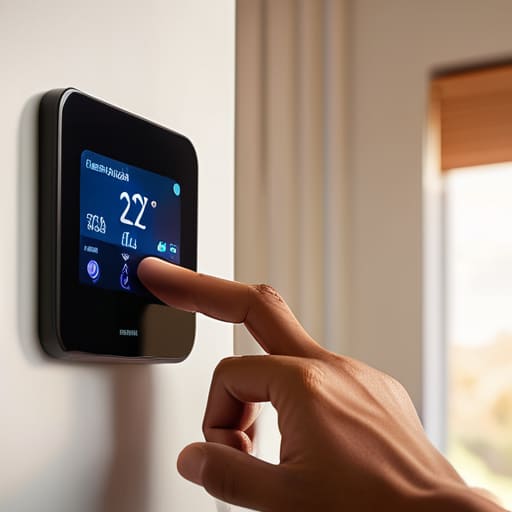
At the end of the day, a smart thermostat is just a tool, not a lifestyle overhaul. You’ve looked at the difference between a learning model that tries to guess your schedule and a simple programmable one, and you’ve weighed whether being able to turn the heat up from your phone is actually worth the extra cost. If you find yourself constantly fighting with a manual dial or worrying about a massive energy bill because you forgot to turn the AC down before a weekend trip, then a smart device makes sense. Just remember to check the subscription requirements before you buy; there is nothing more annoying than a “smart” device that becomes a very expensive, very dumb piece of plastic the moment you stop paying the monthly fee.
Don’t feel pressured to automate every square inch of your home just because it’s the trend. Technology should work for you, not give you a new hobby of managing apps and troubleshooting Wi-Fi connections. If your current setup keeps your house at a comfortable temperature and doesn’t break the bank, it is doing its job perfectly well. The goal isn’t to have the smartest house on the block; it’s to have a home that stays out of your way so you can focus on things that actually matter, like finally getting that sourdough starter to behave.
Frequently Asked Questions
Do I actually need a "C-wire" for this to work, or can I just plug it into my old setup?
This is where the “smart” part of the thermostat gets tricky. Most modern models need a C-wire (common wire) to provide constant power. Without it, the device is trying to run a tiny computer and a Wi-Fi radio on batteries or by “stealing” power from your heating circuit, which is a recipe for a dead screen or a clicking furnace. If you don’t have one, you can buy a C-wire adapter, but don’t expect it to be a five-minute fix.
What happens to my heating schedule if my Wi-Fi goes down for an afternoon?
The short answer is: nothing. Your thermostat isn’t actually “living” in the cloud; it’s just using the Wi-Fi to talk to your phone. Most models store your schedule locally on the device itself. If the internet cuts out, the hardware keeps following the last set of instructions it received. You won’t be able to change the temperature from your couch while you’re out, but your house won’t freeze over just because the router is acting up.
If I decide to cancel the subscription or stop using the app, will the thermostat still function as a basic dial?
The short answer is yes. If you cancel the subscription or delete the app, the device won’t turn into a paperweight. It will still follow its internal schedule and respond to the physical buttons or dial on the wall. However, you’ll lose the “smart” part—no remote adjustments from your phone and no automatic weather updates. It basically reverts to being a slightly expensive, non-connected programmable thermostat. It works, but the convenience evaporates.
