
I spent six years in IT support, and if there’s one thing I learned, it’s that people love selling “smart” solutions to problems that don’t actually require them. You’ll see ads everywhere for AI-driven smart thermostats and complex home automation ecosystems that promise to revolutionize how to save on energy bills, but most of the time, they’re just expensive gadgets that add another subscription to your monthly headache. I’m tired of seeing people spend three hundred pounds on a device just to save five pounds a month; it’s mathematically ridiculous.
I’m not here to pitch you a new piece of hardware or a lifestyle overhaul that requires you to live in the dark. Instead, I’m going to give you the boring, practical version: the actual things you can click, switch, or unplug to see a difference in your bank balance. We’re going to look at the settings that actually matter, the appliances that are secretly bleeding money, and which “eco-modes” are actually a scam. No hype, no unnecessary tech, just the steps that work.
Table of Contents
Smart Meter Benefits What the Data Actually Tells You
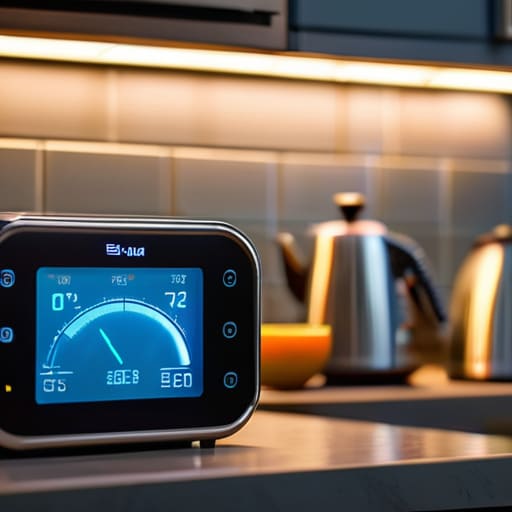
Most people think a smart meter is just a fancy digital display that replaces the old spinning dial, but it’s actually just a data collection tool. The real smart meter benefits aren’t about the device itself; they are about the visibility it gives you. When you can see exactly when your spikes happen—like that massive jump when the kettle goes on or the dryer kicks in—you stop guessing. Instead of wondering why your bill is high, you can see the direct link between your habits and your costs.
If you use your energy provider’s app, you can track your usage in near real-time. This makes it much easier to identify if you’re reducing electricity consumption effectively or if a specific appliance is a hidden energy hog. It’s a bit like checking your bank balance before you tap your card; it forces a moment of awareness. However, keep in mind that a smart meter won’t magically fix a drafty window or an ancient heater. It just tells you exactly how much those problems are costing you in real numbers.
Reducing Electricity Consumption Without Living in the Dark
Most people think reducing electricity consumption means sitting in a cold room with the lights off, but that’s just a recipe for misery. If you want to actually see a difference in your monthly statement without making your life unpleasant, you have to look at the “vampire” loads and the heavy hitters. Start by checking your energy efficient appliances; if your fridge is a relic from the early 2000s, it’s likely working twice as hard as it needs to just to keep your milk cold. It’s a high upfront cost, but it’s one of the few things that actually pays for itself in lower, predictable usage.
Beyond the big machines, look at your windows and doors. You can spend thousands on massive home insulation improvements, but sometimes the fix is much more boring—like replacing a drafty seal or adding heavy curtains. It’s about managing the heat you’ve already paid for rather than just cranking the thermostat. If you can stop the warmth from escaping, your heating and cooling efficiency improves naturally, and you won’t find yourself constantly fighting your own thermostat just to stay comfortable.
The low-effort stuff that actually moves the needle
- Stop paying for “smart” heating if you aren’t using it. If you have a programmable thermostat, set it to drop the temperature by 3 or 4 degrees every night. If you’re still using a manual dial, just get a basic digital one. You don’t need an app that sends you notifications every time the boiler kicks in; you just need it to turn off when you’re asleep.
- Check your “vampire” loads, but don’t go overboard. It’s worth plugging your TV and gaming consoles into a single power strip that you can flick off at night. It’s not about the tiny trickle of power from a single charger; it’s about the stuff that stays in “standby” mode and pulls juice 24/7.
- Wash your clothes on 30 degrees. Most modern detergents work perfectly fine at lower temperatures, and heating the water is where the bulk of the electricity goes. It’s a small change, but if you’re running a machine three or four times a week, it adds up by the end of the month.
- Look at your fridge and freezer seals. If you can slide a piece of paper between the door and the seal and it pulls out easily, your fridge is working twice as hard as it should be to keep things cold. It’s a cheap fix—usually just a bit of cleaning or a new rubber strip—but it stops money from leaking out of the kitchen.
- Use your oven’s residual heat. If you’re cooking something that takes a while, turn the oven off ten minutes before the timer goes off. The heat trapped inside will finish the job. It sounds like something a grandmother would say, but in a house with high energy rates, it’s just common sense.
The short version
Stop chasing every “smart” gadget; focus on the big stuff like your thermostat, your water heater, and your old fridge.
Use your smart meter data to find the “vampire” devices that pull power even when they’re turned off, then unplug them or use a power strip.
Don’t buy into the subscription trap—if a device requires a monthly fee just to keep your energy data private, it’s probably not worth the headache.
## The subscription trap of "smart" living
Most people think saving money on energy means buying a dozen expensive gadgets that promise to optimize your life, but usually, it just means finding the three things that are actually draining your bank account and turning them off. Don’t buy a smart plug for a lamp you only turn on once a week; just buy a better bulb and move on.
Saoirse Doyle
The bottom line
At the end of the day, saving money on your energy bill isn’t about buying a dozen new smart gadgets that all require a monthly subscription to work. It’s about the basics: checking your smart meter data to see where the leaks are, swapping out those old, hungry bulbs for LEDs, and being slightly more intentional about when you run the heavy appliances. You don’t need a complex, automated ecosystem to see a difference in your bank balance; you just need to stop paying for energy you aren’t actually using. If you do these things, you’ll find that your house stops feeling like a leaky bucket and starts feeling like a managed space.
I know it feels like a lot of small, annoying chores, but the goal isn’t to turn your home into a high-tech laboratory. The goal is to make your technology—and your utilities—work for you, rather than the other way around. Once you’ve set the foundation and automated the bits that actually matter, you can stop worrying about the meter and get back to your actual life. Whether that’s baking a loaf of sourdough or just sitting in a well-lit room without feeling guilty about the cost, the point is to reclaim your peace of mind.
Frequently Asked Questions
Do I actually need to buy smart plugs for every single appliance, or is that just more tech I'll end up ignoring?
Don’t do it. Buying a smart plug for every appliance is a classic case of “tech creep”—it’s more money spent on a system that eventually becomes a headache to manage. Stick to the big offenders: your coffee machine, a space heater, or those lights you always forget. If you can’t see a clear way to automate it to save money, it’s just another thing that’ll need a firmware update in six months.
If I switch to a different energy tariff, how do I know if it's actually saving me money or just a marketing trick?
Don’t let them dazzle you with “introductory rates” that vanish after six months. To see if a switch actually works, ignore the flashy brochures and look at the unit rate versus the standing charge. Grab your last three bills, find your total kWh usage, and run the math yourself on the new tariff’s numbers. If the standing charge is massive, you might be paying for the privilege of being connected, even if the electricity itself is “cheaper.”
What happens to my data if I use a smart meter provider that requires a monthly subscription?
If you cancel the subscription, you don’t lose your historical data—it’s yours—but you do lose the interface. Think of it like a fitness app: the data is still on your phone, but you can’t see the pretty graphs anymore. You’ll likely be able to download a CSV file of your usage before you walk away, so do that first. Once the sub ends, you’re back to basic readings and no fancy insights.
