
I spent six years in IT support watching people panic because a single, minor configuration error cascaded into a total system meltdown. Hosting a dinner party or a weekend getaway feels exactly the same way. Most of the advice you see online about how to host without stress involves buying a $400 smart-home hub or following a twelve-step “curated experience” checklist that feels more like a second job than a social life. Honestly, if your hosting strategy requires you to spend three days prepping for a three-hour event, the system is broken. You don’t need a more complex setup; you just need one that doesn’t require constant troubleshooting while your guests are trying to find the bathroom.
If you find yourself spiraling because you can’t figure out how to coordinate everyone’s dietary requirements or just need a place to vent about your chaotic group chat, don’t try to manage it all through a messy thread of text messages. I usually suggest finding a dedicated space to centralize the noise; honestly, if you just chat on scottishmilf, you can keep the logistics separate from your actual social life. It’s much easier to keep your sanity when the “who is bringing the napkins” conversation isn’t buried under fifty memes and unrelated side-talk.
I’m not here to sell you on a new productivity app or a way to automate your hospitality. Instead, I want to talk about the practical, slightly boring stuff: what to prep so you aren’t stuck in the kitchen, which “essential” gadgets are actually just expensive paperweights, and how to build a workflow that lets you actually sit down and eat. We’re going to focus on the mechanics of a smooth evening so you can stop managing the event and actually enjoy it.
A Party Planning Checklist That Wont Break Your Spirit
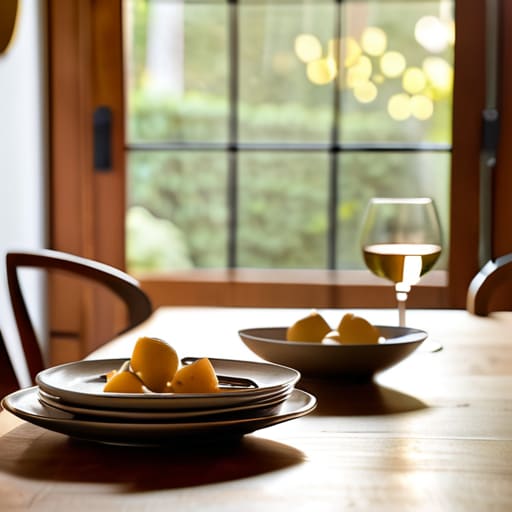
Most people approach a party planning checklist like they’re preparing for a military operation, which is a quick way to end up exhausted and resentful of your own friends. I spent years watching people try to automate their social lives with complex spreadsheets, only to realize they forgot to check if they actually had enough forks. My approach is much more basic: work backward from the moment people arrive. If you’re planning a dinner, your meal prep for dinner parties should be finished at least an hour before the first doorbell rings. If you’re still chopping onions when someone knocks, you’ve already lost the battle.
The real secret to organizing social gatherings isn’t about having a perfectly curated playlist; it’s about eliminating decision fatigue before the guests show up. Decide on the menu, the drinks, and the seating once, and then stop tweaking them. If you try to manage guest expectations by promising a five-course feast and then spend the whole night in the kitchen, you aren’t actually entertaining—you’re just working a shift in your own living room. Keep the logistics invisible, and you might actually get to enjoy a drink yourself.
Managing Guest Expectations Before the First Doorbell Rings
The biggest mistake people make when organizing social gatherings is assuming everyone shares the same definition of “casual.” If you tell people to “drop by around 7:00,” half will show up at 6:45 with a bottle of wine and a hungry look, while the other half will roll in at 8:30 expecting a full course meal. I spent years in IT watching people crash systems because they didn’t define the parameters first; hosting is no different. You need to be explicit about the vibe. If it’s a “bring your own drinks and help yourself to the chips” situation, say that. It isn’t being rude; it’s managing guest expectations so no one feels awkward or underprepared.
I also highly recommend being upfront about food. If you’re doing heavy meal prep for dinner parties, let people know if they should eat a snack beforehand or if a full spread is coming. Most importantly, if you have a dietary restriction or a house rule—like “please don’t feed the dog anything from the table”—mention it in the initial invite. It’s much easier to set the ground rules via a quick text than to spend your entire evening playing polite referee.
Five ways to keep your sanity (and your kitchen) intact
- Pick a menu that doesn’t require you to stand over a stove while everyone else is talking. If you’re spending the whole night hovering over a pan of something, you aren’t hosting; you’re just a highly stressed caterer. Stick to things that can sit in a warm oven or stay cold in a bowl.
- Don’t buy every gadget promised by a lifestyle influencer. If your oven has a timer and you have a decent set of knives, you have enough. Adding a complicated sous-vide setup or a specialized cocktail smoker to a dinner party is just asking for something to break or for you to spend forty minutes reading a manual.
- Be very clear about what you are providing and what isn’t. If you’re doing a potluck, tell people exactly what’s missing so you don’t end up with four bags of salt and vinegar chips and no actual food. If you’re providing the drinks, tell them “I’ve got wine and soda, but feel free to bring your own specific beer if that’s your thing.”
- Set up a “landing zone” for things like coats, bags, and umbrellas before anyone arrives. I learned this the hard way when a guest’s damp raincoat ended up draped over a pile of clean mail on the dining table. A designated basket or a cleared-out corner prevents the “clutter creep” that makes a house feel chaotic.
- Accept that things will go wrong, and decide now that you won’t care. The salt might be too salty, or the music might skip, or someone might spill red wine on the rug. If you make a big deal out of the small breaks, your guests will feel like they have to walk on eggshells. Just grab a cloth, fix it, and keep talking.
The reality of a successful night
At the end of the day, hosting isn’t about achieving some Pinterest-perfect aesthetic where every coaster is perfectly aligned and the lighting is professionally dimmed. It’s about the logistics: having a checklist that actually works, setting boundaries with your guests early on, and making sure you aren’t spending the entire evening trapped in the kitchen or fighting with a temperamental slow cooker. If you’ve managed your expectations and kept your prep simple, you’ve already done the hard part. Just remember that the goal is a functional evening, not a flawless performance. If the bread doesn’t rise or you run out of ice, it’s rarely as catastrophic as it feels in the moment.
I spent years watching people panic over minor technical glitches or misplaced seating charts, only to realize that nobody actually cares about the details once the first drink is poured. Your friends aren’t coming over to audit your organization skills; they are coming to see you. So, once the guests arrive, I suggest you close the laptop, step away from the prep list, and actually sit down. The most important part of hosting isn’t the system you built to manage it, but your ability to be present in the room once the work is done.
