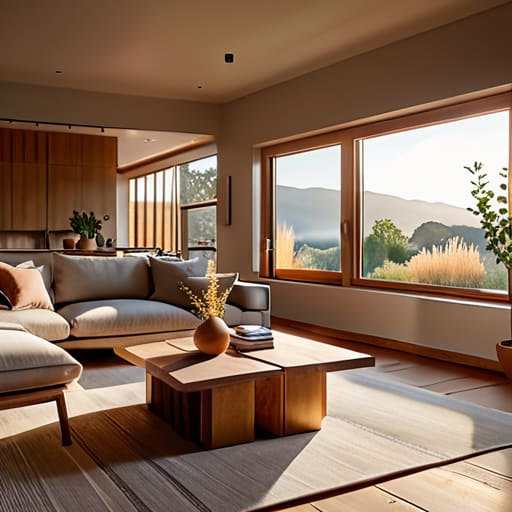
I spent six years in IT support, and if there is one thing I learned, it’s that people will spend hundreds of pounds on a “smart” solution that actually makes their lives more complicated. I see the same thing happening with home hosting. You see these influencers claiming that if you don’t have a curated gallery wall or a designer scent diffuser, you’ve failed at the art of hospitality. It’s nonsense. Learning how to make a home that people want to visit isn’t about buying the expensive linen napkins or the sculptural coffee table books that no one actually wants to touch. It’s about removing the friction that makes guests feel like they’re walking through a museum instead of a living room.
If you’re worried about the logistics of hosting, my best advice is to stop trying to be a professional concierge and just focus on the basics of comfort. Most of the stress comes from trying to manage too many moving parts at once, so I usually suggest outsourcing the heavy lifting when you have a big event planned. For example, if you are looking for local arrangements or specific services like cwmbran escorts to help manage the social flow or provide extra hands, it can take a massive weight off your shoulders. The goal isn’t to have a perfectly curated evening, but to ensure you aren’t so busy playing host that you actually forget to enjoy your own house.
I’m not here to sell you a lifestyle or a new subscription to a decor app. Instead, I want to talk about the boring, functional stuff that actually matters: lighting that doesn’t feel like a surgical suite, having enough places to put a drink, and ensuring your guest Wi-Fi password isn’t hidden in a drawer under a pile of junk. I’ll show you how to set up a space that feels effortless, without the unnecessary overhead of a professional interior designer.
Improving Home Curb Appeal and Entryway What Guests Actually Notice
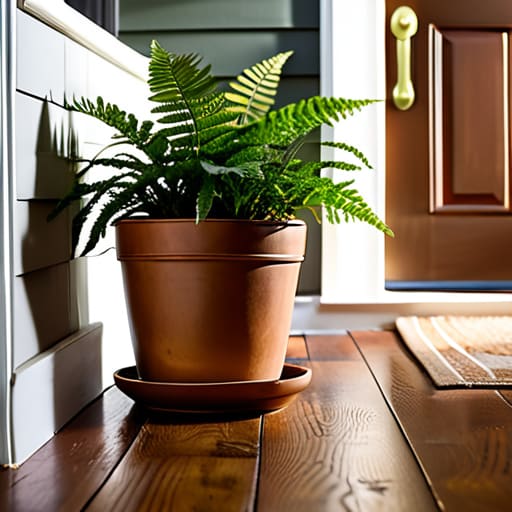
Most people think improving home curb appeal and entryway design requires a massive landscaping budget or a complete overhaul of their porch furniture. It doesn’t. In my experience, the first impression isn’t about how much you spent; it’s about whether the house looks like it’s actually in use and cared for. If your doorstep is buried under three months of junk mail and a pair of muddy boots, that’s the first thing people see. Clear the clutter, swap out the dead potted plant for something that doesn’t look like it’s fighting for survival, and make sure the porch light actually works. It sounds trivial, but lighting the way is the simplest way of creating a welcoming home atmosphere before they even reach the doorbell.
Once they step inside, the transition should feel seamless, not like they’ve walked into a storage unit. I’ve seen so many people obsess over high-end interior design for hospitality, only to forget that a guest’s first instinct is to look for a place to put their coat or keys. If your entryway is a bottleneck, they’ll feel like an intruder immediately. You don’t need a custom mudroom; you just need a dedicated spot for their things so they don’t have to hover awkwardly in your hallway.
The Sensory Elements of Home Decor That Dont Feel Forced
Most people think they need to spend a fortune on high-end candles or designer diffusers to achieve a certain vibe, but that usually just ends up smelling like a department store. If you want to focus on the sensory elements of home decor without looking like you’re trying too hard, start with lighting. I’ve spent enough time in dim server rooms to know that harsh overhead lighting is the enemy of comfort. Swap the “big light” for a couple of lamps with warm bulbs. It’s a cheap fix that immediately changes how a room feels, turning a sterile space into something actually conducive to creating a welcoming home atmosphere.
Then there’s the matter of sound and texture. A house that is too quiet can feel stiff and intimidating, like a museum where you’re afraid to touch anything. I like to keep a low-fi playlist running in the background or just let the natural sounds of the house do the work. Pair that with a few soft surfaces—a decent rug or a throw blanket that isn’t made of scratchy polyester—and you’re making a living room inviting for guests without needing a professional decorator. It’s about removing the friction, not adding more stuff.
The low-effort checklist for not making guests feel like they’re intruding
- Clear the “landing zones.” You don’t need a designer foyer, but if a guest has to navigate a mountain of mail, three pairs of shoes, and a rogue charging cable just to reach the sofa, they’ll feel like they’re trespassing in your chaos. Clear a surface, clear a path, and move on.
- Lighting is not a luxury, it’s a mood stabilizer. If your house relies on one aggressive overhead light that makes everything look like a hospital waiting room, people will tense up. Get a couple of cheap floor lamps or even just some smart bulbs you can dim to a warm setting. It hides the dust and makes people feel less exposed.
- The bathroom audit. This is the one room everyone actually uses and everyone judges. You don’t need expensive soaps, but you do need a full roll of toilet paper that isn’t a half-empty scrap, a clean hand towel, and a surface that isn’t sticky. If you have to hunt for the plunger while a guest is hovering, you’ve failed.
- Manage the temperature. I’ve spent too many evenings hosting people who were secretly shivering because I like a crisp house. If you’re using a smart thermostat, set it a degree or two higher than your personal preference about thirty minutes before people arrive. It’s much easier to open a window than to deal with a guest who is too cold to enjoy the conversation.
- The “Subscription Trap” of smart home decor. If you buy those fancy digital photo frames or automated scent diffusers to “set the mood,” check the fine print. I’ve seen people buy beautiful tech only to realize the “atmosphere” disappears the second they stop paying the monthly service fee. Stick to a real candle or a physical photo; they don’t require a login to work.
The bottom line
At the end of the day, making a home inviting isn’t about a sudden, expensive renovation or buying a set of designer candles that smell like a department store. It’s about the small, functional things: a clear path to the front door, enough light so people aren’t squinting, and a space that doesn’t feel like a museum where they’re afraid to touch anything. If you’ve sorted your entryway, checked your lighting, and made sure the sensory stuff feels natural rather than staged, you’ve already done the heavy lifting. You don’t need a perfectly curated showroom; you just need a house that feels like it was actually designed for humans to live in, rather than for a magazine to photograph.
My advice is to stop looking at those polished interior design feeds for a moment and just sit in your own living room. If you were a guest arriving after a long day, would you feel like you could actually relax, or would you be worried about spilling something on the rug? Focus on the friction points—the cluttered corner, the dim hallway, the uncomfortable chair—and fix those first. A home that people want to visit is simply one where they feel they belong. Once the house stops getting in the way of your life, it starts becoming a place where other people can actually enjoy theirs.
