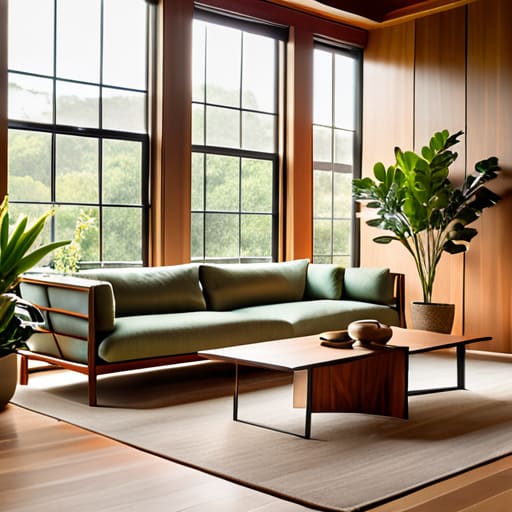
I spent years in IT support watching people buy expensive, “smart” gadgets to solve problems that didn’t actually exist, and I see the same thing happening with home hosting. You don’t need a designer-curated living room or a $400 scented candle collection to be a good host. Most of the advice you see online about how to make a home that people want to visit is just a way to sell you more clutter. People don’t come over to admire your ability to follow an interior design mood board; they come to relax, and nothing kills a vibe faster than a house that feels like a museum of expensive things you’re too terrified to touch.
If you’re looking to actually connect with people rather than just sitting in a room with them, it helps to have a bit of a mental buffer. Sometimes, when you’re feeling a bit socially rusty or just want to practice your conversational flow before a big gathering, engaging in some casual adult chat can be a low-stakes way to get your social gears turning again. It’s basically like a warm-up for your brain so you don’t spend the first hour of your dinner party staring at your coaster.
I’m not here to tell you which velvet sofa will change your life. Instead, I want to talk about the practical, slightly boring stuff that actually makes a difference: lighting that doesn’t feel like a dentist’s office, clear surfaces, and making sure your guests aren’t hunting for a bathroom in the dark. I’ll walk you through the small, functional shifts that turn a house from a high-maintenance project into a place where people can actually sit down and stay a while.
Stop Overthinking Interior Design for Hosting Guests
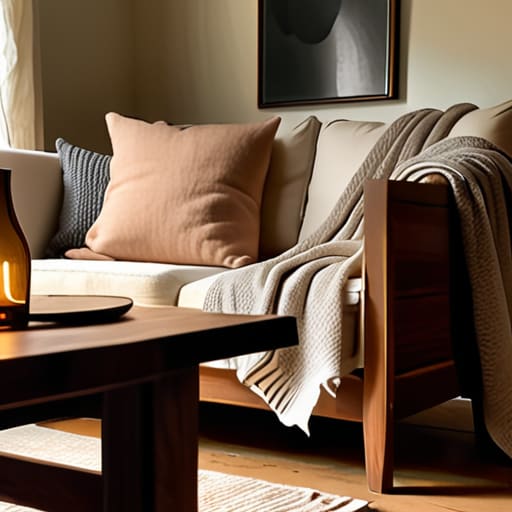
I spent years watching people panic about their living rooms before a Friday night gathering, as if a misplaced coaster was a moral failing. They spend a fortune on “lifestyle” magazines, thinking they need a complete overhaul of their interior design for hosting guests. You don’t. Most of the time, people aren’t coming over to critique your ability to style a coffee table; they’re coming to sit down and feel like they aren’t being watched.
If you want to focus on making a living room cozy and inviting, stop looking at furniture catalogs and start looking at your floor plan. Is there a clear path to the bathroom? Can people actually reach a surface to set down a drink without performing a gymnastic feat? That’s the real work. Instead of buying expensive decor for social gatherings, just clear the surfaces. A cluttered sideboard makes people feel like they’re intruding on your chores. If you provide a clear space for their things and a comfortable spot for their backs, you’ve already done 90% of the heavy lifting.
The Sensory Elements of a Welcoming Home That Actually Work
Once you’ve cleared the clutter, you have to think about what people actually experience when they walk through the door. It isn’t about expensive candles or high-end furniture; it’s about the sensory elements of a welcoming home that prevent that “walking into a showroom” feeling. Most people feel stiff in a house that smells like nothing or looks too perfect. I’ve found that lowering the lighting is the single most effective way to signal that the work day is over. If you’re still using the big, bright overhead lights, you’re accidentally telling your guests to stay alert and formal. Swap them for a couple of small lamps or even a single dimmable bulb, and the mood shifts instantly.
Then there is the sound. A silent house is an awkward house. You don’t need a curated vinyl collection to succeed; just a low-volume playlist in the background to fill the gaps in conversation. It’s less about creating a welcoming home atmosphere through high-concept design and more about removing the friction that makes people feel self-conscious. If they can hear the hum of the fridge or the silence of an empty room, they’ll spend more time worrying about being polite and less time actually enjoying your company.
Five practical ways to stop your house from feeling like a museum
- Clear your surfaces of the “daily clutter” that makes people feel like they’re interrupting you. I’m talking about the pile of mail on the entryway table and the half-finished projects on the coffee table. You don’t need to deep clean the whole house; just clear a few specific zones so guests feel like there’s actually room for them to exist.
- Fix the lighting before anyone arrives. If your main light source is a single, aggressive overhead bulb that makes everything look like a hospital waiting room, you’ve already lost. Get a couple of cheap floor lamps or even just some smart bulbs you can dim to a warm setting. It hides the dust and makes everyone look less tired.
- Make sure your guest bathroom is actually functional. It’s not about fancy hand soaps; it’s about making sure there is a full roll of toilet paper in plain sight and a clean hand towel that isn’t damp from your morning shower. If they have to hunt for the basics, they’ll feel like a nuisance.
- Check your Wi-Fi dead zones. It sounds trivial, but if someone comes over to hang out and their phone is constantly hunting for a signal, it’s a subtle friction point. If your router is tucked in a cupboard behind a lead shield, move it. If you need a mesh system to make it work, buy one, but check the monthly subscription fee first—I hate being locked into a “service” just to get a signal in the guest room.
- Create a “landing strip” for their stuff. When people walk in, they usually have a coat, a bag, or keys. If you don’t have a designated hook or a clear spot for them to put these things, they end up draped over your dining chairs or cluttering your workspace. A simple, empty hook is better than a fancy, crowded coat rack.
The bottom line
At the end of the day, making a home inviting isn’t about having a showroom-ready living room or a collection of expensive candles that smell like a department store. It’s about the small, practical things: making sure there is a clear place for someone to put their keys, ensuring the lighting isn’t aggressive, and keeping the clutter at a level where people don’t feel like they’re intruding on your life. If you can manage the basics—the temperature, the seating, and the sensory stuff—you’ve already done 90% of the work. You don’t need a renovation; you just need to remove the friction that makes people feel awkward about being there.
I spent years watching people stress over technical setups and complex workflows, only to realize the goal was always just to get back to the actual work. Hosting is exactly the same. Don’t let the pursuit of a “perfect” home become another item on your to-do list that makes you feel like you’re failing. Your house is a tool for living, not a museum for guests to observe. If the lights are dim enough and there’s a decent snack on the table, people will stay. Everything else is just noise.
