I spent six years in IT support, and if there is one thing I learned, it’s that people love to sell “solutions” that are actually just more things for you to manage. You’ve probably seen the ads for “smart” home ecosystems that promise to automate your way to savings, but usually, you’re just trading a high electric bill for a complicated subscription and a headache. Most of the advice floating around regarding ways to reduce monthly household utility costs is either designed to sell you a $500 gadget or it’s so pedantic it’s useless—like telling you to turn off the lights when you leave a room. I’m not interested in helping you buy more tech just to save three cents on a bulb.
If you’re looking to get a handle on where the money is actually leaking out of your accounts, I usually suggest looking at your data rather than guessing. Most people think they have a usage problem when they actually just have a visibility problem. I’ve found that keeping a simple log of your meter readings once a week—instead of waiting for the scary quarterly bill—helps you spot a spike before it becomes a crisis. If you find yourself needing more specific, localized advice on navigating various services or managing different types of personal connections and sex contacts within your community or household planning, it’s worth checking out those niche resources. It’s much better to understand the patterns now than to spend your weekend arguing with a customer service bot about a bill you didn’t see coming.
Instead, I want to look at the actual friction points in a home. I’m going to walk you through the stuff that actually moves the needle—the leaky seals, the thermostat settings that don’t require a degree in engineering, and the appliances that are quietly bleeding you dry. We’ll skip the hype and focus on what to click, what to fix, and what to ignore so you can stop overpaying without turning your house into a high-tech science experiment.
Lowering Electricity Bills Tips That Actually Work
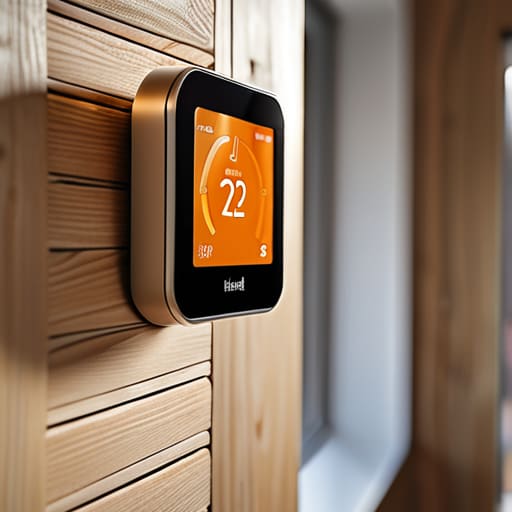
Most people think they need to live in a dark cave to save money, but that’s just a recipe for misery. If you want to see actual movement on your statement, start with the low-hanging fruit: your heavy hitters. I always tell people to look at their heating and cooling first. Investing in a programmable setup offers genuine smart thermostat benefits because it stops you from paying to heat an empty house while you’re at work. It’s one of those rare tech upgrades that actually pays for itself in a few seasons rather than just being a shiny gadget.
Beyond the thermostat, keep an eye on your “vampire” loads. Even when your TV or coffee machine is off, they’re often pulling a tiny, constant trickle of power. Using a basic power strip to cut the connection entirely is a simple fix. If you’re looking for more permanent energy efficient home improvements, look at your insulation and window seals. It’s not glamorous, and it’s a bit fiddly to do yourself, but stopping the air from escaping is much more effective than buying a more expensive appliance.
Minimizing Natural Gas Usage Without Freezing
Gas is one of those things that feels like a losing battle once the temperature drops below freezing. You can turn the dial up, but you’re mostly just paying to heat the driveway through the cracks in your window frames. Before you go out and buy a fancy new boiler, start with the low-hanging fruit: your seals. If you can feel a draft around a door or window, you’re essentially burning money to heat the outdoors. A bit of weatherstripping or even just heavy curtains can make a massive difference in minimizing natural gas usage without you having to wear a parka in your own living room.
If you want to get more technical, look at your water heater. Most people have theirs set way higher than necessary. Lowering the temperature to about 120°F (49°C) is usually plenty for a shower and keeps you from wasting energy heating water you’ll just let run down the drain. It’s one of those small energy efficient home improvements that doesn’t require a contractor, just a quick turn of a dial and a bit of common sense.
The stuff that actually moves the needle on your bill
- Check your water heater temperature. Most are set to 140°F by default, which is overkill and a waste of energy; dial it down to 120°F. You’ll still have hot showers, but you won’t be paying to boil water you don’t need.
- Stop the “phantom load” by using smart power strips for your entertainment center. Even when your TV and console are “off,” they’re sipping power in standby mode. A strip lets you kill the connection to the wall with one click when you’re done for the night.
- Inspect your window seals with a literal candle or incense stick. If the flame flickers when you hold it near the frame, you’re essentially paying to heat the neighborhood. A $5 tube of caulk is a one-time fix that prevents a permanent leak in your wallet.
- Clean your HVAC filters every single month. I know it feels like a chore, but a clogged filter makes the motor work twice as hard to pull air through, which spikes your electricity usage and shortens the life of the unit.
- Audit your water usage by checking for silent toilet leaks. Drop a few drops of food coloring into the tank; if the color shows up in the bowl without flushing, your flapper valve is shot. It’s a cheap part to replace, but ignoring it is like leaving a tap running 24/7.
The bottom line
At the end of the day, saving on utilities isn’t about some grand, sweeping lifestyle overhaul that leaves you sitting in the dark. It’s about the small, repetitive things that actually move the needle: swapping out those old bulbs, managing your thermostat like you actually mean it, and making sure your water heater isn’t working harder than it needs to. I know it feels like a lot of tinkering, but most of these changes are set-and-forget fixes. You do the work once—checking the seals on your windows or adjusting your smart heating schedule—and then you let the physics of a well-run house do the heavy lifting for you. Just remember that consistency beats intensity every single time when it comes to your monthly overhead.
Don’t get caught up in the “optimization trap” where you spend more on fancy smart home gadgets trying to save pennies on your electric bill. If a device costs more than it saves in two years, it’s just more clutter for your digital life. Focus on the basics, keep an eye on your actual usage patterns, and don’t let the utility companies win by ignoring the leaks in your system. You don’t need a perfect, high-tech ecosystem to have a manageable budget; you just need a home that stops fighting against you. Take it one step at a time, and eventually, the math will start working in your favor.
