
I spent six years in IT support, and if there is one thing I learned, it’s that people love to sell you a “solution” that is actually just another bill. You’ve seen the ads: fancy smart-home ecosystems that promise to revolutionize your life, but usually just end up being another subscription to manage or a piece of plastic that stops working the moment the manufacturer updates their terms of service. Most of the advice you find online regarding ways to reduce monthly household utility costs is either way too complicated or involves buying a gadget you don’t actually need. I’m not interested in helping you build a “smart home” that costs more than it saves; I just want to help you stop leaking money through your floorboards and outdated habits.
If you’re starting to notice the numbers on your water bill creeping up alongside the electricity, it’s worth checking for silent leaks in your toilets or under the sinks before you go out and buy any fancy filtration systems. I usually suggest just grabbing a cheap dye tablet from the hardware store to see if your tank is leaking, but if you want to get a better handle on how much you’re actually consuming across the board, checking out local utility usage guides can be a massive help. For instance, looking into specific regional patterns like those found in sex in hull can give you a decent baseline for what a normal monthly cost should look like for your area. It’s much better to know your baseline now than to get a shock when the quarterly statement arrives.
In this post, I’m skipping the lifestyle influencer fluff and getting straight to the mechanics. I’ll walk you through the actual, boring steps to trim your bills—from the specific settings on your water heater to the tiny, annoying leaks in your digital life. I’ll tell you exactly what to click, what to swap, and most importantly, what happens to your savings if you decide to stop using a service later on. No hype, no expensive gadgets you’ll regret buying, just practical reality.
Lowering Electricity Bills Tips What to Unplug and What to Swap
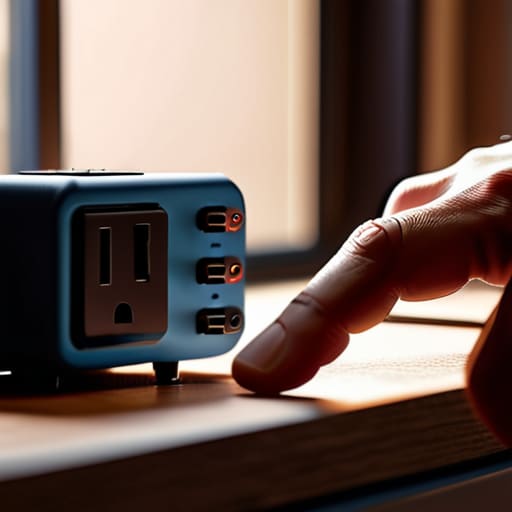
First, let’s talk about the stuff that stays plugged in even when you aren’t using it. I spent years troubleshooting “phantom” power draws in office setups, and your home is no different. Things like game consoles in standby mode, coffee makers with digital clocks, and those old desktop printers are essentially tiny, slow-burning heaters. If you aren’t using it, pull the plug or use a power strip you can actually flip off. It’s a bit of a chore at first, but it’s one of the simplest lowering electricity bills tips that actually works without costing a cent.
When it comes to the bigger stuff, don’t go out and buy every “eco-friendly” gadget on the market. Most of it is marketing fluff. Instead, look at your lighting and your climate control. Swapping old incandescent bulbs for LEDs is a no-brainer; they last longer and don’t turn your living room into a sauna. If you want to get serious, look into smart thermostat benefits. A decent model pays for itself by making sure you aren’t cooling an empty house, though keep in mind that once you cancel the subscription for the advanced analytics, the hardware still works—you just lose the fancy data graphs.
Smart Thermostat Benefits the Settings That Actually Save You Money
If you’re looking at smart thermostat benefits, don’t get sucked into the marketing about “AI-driven comfort.” Most of that is just fluff. The real value is in the automation of your boring habits. I spent years watching people manually turn their AC down to 68 degrees every time they left for work, only to realize they were essentially heating the sidewalk. A decent smart thermostat lets you set a schedule so the system actually backs off when the house is empty. It’s one of those small energy efficient home improvements that pays for itself because it removes the “I forgot to turn it down” tax from your monthly bill.
The trick is to stop treating it like a remote control and start treating it like a set-it-and-forget-it tool. Set your temperature thresholds for when you’re sleeping versus when you’re actually awake. You’ll see seasonal heating and cooling savings almost immediately once the device learns your home’s thermal lag. Just a heads-up: if you go with a subscription-based model for advanced data reports, check the fine print. If you stop paying the monthly fee, you usually keep the basic scheduling, but you lose the fancy energy usage graphs.
The small leaks: five things that drain your bank account while you sleep
- Check your water heater temperature. Most are set to 140°F (60°C) by default, which is overkill and expensive. Turn it down to 120°F (49°C); you won’t notice the difference in your shower, but your electric bill will.
- Stop paying for “premium” water filtration subscriptions. Unless you have a specific medical need, a basic carbon filter pitcher or a standard under-sink system works fine. Don’t let a monthly recurring charge for something that comes out of your tap become a permanent line item in your budget.
- Inspect your fridge and freezer seals. If the rubber gasket is cracked or brittle, your appliance is working twice as hard to keep things cold. A quick trick is to close a piece of paper in the door; if it slides out easily, your seal is shot and you’re literally throwing money into the kitchen air.
- Audit your “ghost” subscriptions. I’m talking about the streaming services or specialized utility-monitoring apps you signed up for during a trial and forgot about. If you haven’t used it in thirty days, cancel it. If you miss it later, you can always resubscribe, but most of the time, you won’t.
- Switch to LED bulbs, but do it logically. Don’t go out and replace every single bulb in the house tomorrow. Start with the high-use areas—the kitchen, the living room, and the porch lights. It’s a small upfront cost, but they last for years, so you’re essentially buying yourself a break from the hardware store.
The bottom line
At the end of the day, saving money on utilities isn’t about some grand, sweeping lifestyle overhaul that requires you to sit in the dark and suffer. It’s mostly just about eliminating the friction between your habits and your bank account. We talked about the low-hanging fruit: swapping out those old, power-hungry bulbs, being ruthless about unplugging things that don’t need to be drawing phantom power, and letting a smart thermostat do the heavy lifting so you don’t have to think about it. If you do even two of these things, you’ll see a difference in your next statement. It’s not magic; it’s just stopping the slow leaks in your monthly budget.
I know that looking at utility bills can feel like a chore, and honestly, it usually is. But try to view these tweaks not as another item on an endless to-do list, but as a way to make your home work for you, rather than the other way around. You don’t need a “smart home” ecosystem that costs thousands and requires a degree to maintain; you just need a house that doesn’t waste your hard-earned money while you’re sleeping or at work. Pick one thing this weekend—just one—and get it sorted. Your future self, the one looking at a slightly smaller bill next month, will be glad you did.
