
I spent six years on a helpdesk watching people panic because their entire digital lives were tethered to a single point of failure. It wasn’t always a server crash, either; sometimes it was just a broken water heater or a sudden car repair that turned a Tuesday into a catastrophe. Most financial gurus will try to sell you a complex, multi-tiered wealth management strategy, but when people ask me what is an emergency fund, they aren’t looking for a lecture on compound interest. They are looking for a way to stop the constant, low-grade dread that comes with living one unexpected invoice away from a crisis.
I’m not here to give you a roadmap to early retirement or a list of high-risk investment vehicles. My goal is much more boring than that: I want to help you build a simple, sturdy buffer that actually works when things go sideways. I’ll walk you through exactly how much you need to set aside, where to keep it so you don’t accidentally spend it on takeout, and—most importantly—how to keep it accessible without losing your mind to bank fees. No hype, no fluff, just the practical steps to making sure your life doesn’t break when your tech (or your plumbing) does.
Table of Contents
Your Financial Safety Net What It Actually Covers

Think of this as your personal buffer against the inevitable “everything is going wrong” Tuesday. It isn’t for a planned vacation or a new laptop you’ve been eyeing; it is specifically for unexpected expenses coverage when life decides to throw a wrench in your gears. I’m talking about the transmission failing on your way to work, a sudden dental bill that requires an immediate appointment, or a sudden gap in your paycheck. It is the difference between a bad week and a total life crisis.
To make this work, you need to know exactly what you are protecting. This starts with a basic monthly living expenses calculation—not including your fun money, but the boring stuff like rent, utilities, and groceries. Once you know that number, you can figure out how much of a cushion you actually need. I usually suggest keeping these funds in a high yield savings account for emergencies so the money is sitting there, ready to be grabbed, but still earning a tiny bit of interest while it waits for something to break.
The Monthly Living Expenses Calculation You Cant Ignore
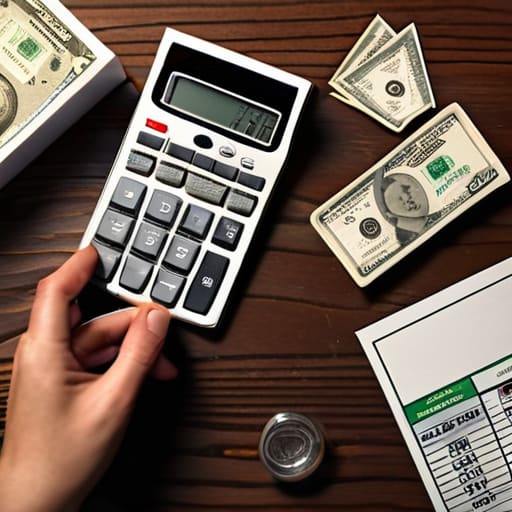
Most people start this process by looking at their salary, which is a mistake. Your salary is what you bring in, but it has nothing to do with what it actually costs to keep your life running. To get a real number, you need a honest monthly living expenses calculation. This isn’t about your “fun money” or that fancy coffee habit; it’s about the non-negotiables. Rent or mortgage, utilities, groceries, insurance, and the minimum payments on your debt. If you don’t include the boring stuff, your safety net will be full of holes before you even realize you’re leaking cash.
I used to see people try to budget by rounding up, but in a crisis, those small gaps add up. I suggest sitting down with your bank statements from the last three months and finding your true baseline. Once you know that number—let’s say it’s £2,000—you can actually do the math. Multiply that by three or six months. That is your target. It’s much easier to aim for a specific goal when you aren’t just guessing based on a “feeling” of how much you spend.
Five ways to stop your savings from being a headache
- Keep it in a boring, separate account. Don’t keep your emergency fund in your main checking account where it’s easy to accidentally spend it on a nice dinner or a new gadget. Use a high-yield savings account so it earns a little something, but more importantly, keep it far enough away from your daily spending that you have to actually think before you move it.
- Don’t aim for “perfect” right away. People get paralyzed trying to figure out if they need exactly 3.5 or 6 months of expenses. Just start with a small, manageable goal—like $1,000 or one month of rent. It’s better to have a tiny safety net that actually exists than a massive, theoretical one that you haven’t started building yet.
- Define what an “emergency” actually is before it happens. An emergency is a broken water heater or a sudden job loss; it is not a flash sale on a laptop you’ve wanted for months. If you don’t set these boundaries while you’re calm, you’ll find yourself “borrowing” from the fund when things are actually fine.
- Automate the boring stuff. If you wait until the end of the month to see what’s left over to save, the answer will almost always be “nothing.” Set up a recurring transfer from your paycheck to your savings account. If you never see the money in your main account, you won’t miss it.
- Know the exit strategy. Decide now how you will replenish the fund once you’ve used it. If you drain the account to fix your car, your new “job” for the next few months is to refill that specific bucket before you go back to any other financial goals.
The short version: what to remember
An emergency fund isn’t a savings goal for a holiday or a new car; it is a specific pile of cash meant only for when life hits you with something expensive and unplanned.
Don’t guess your number. Use your actual monthly survival costs—rent, food, utilities, and insurance—rather than a vague “three months of salary” estimate that usually misses the mark.
The goal is peace of mind, not perfection. It is better to have a small, slightly inadequate fund than to have nothing at all while you work toward a bigger one.
The real purpose of the pile
An emergency fund isn’t some grand, strategic wealth-building milestone; it’s just a pile of cash sitting there so that when your car makes that specific dying sound or your water heater decides to quit on a Tuesday, you aren’t scrambling to figure out which credit card has the lowest interest rate.
Saoirse Doyle
Getting started without the headache

At the end of the day, building an emergency fund isn’t about mastering complex investment strategies or predicting the stock market. It’s about knowing your actual monthly survival number—the cost of the rent, the groceries, and the electricity—and making sure you have a pile of cash that covers it when life inevitably gets messy. You don’t need a perfect spreadsheet or a high-yield savings account that promises the moon; you just need a dedicated space where that money stays untouched until a real crisis hits. Whether you start with fifty dollars or five thousand, the goal is to move from a state of constant, low-level anxiety to a place where a broken water heater is just an inconvenience rather than a total catastrophe.
I know that looking at your bank balance and realizing how much you actually need to save can feel incredibly heavy. It’s tempting to wait until you feel “financially stable” to start, but that’s a trap. Stability isn’t something you find; it’s something you build, one small, boring transfer at a time. Don’t let the sheer scale of the goal stop you from taking the first step. Once you have even a small buffer, you’ll notice that the world feels a little less volatile. You aren’t just saving money; you are buying yourself breathing room, and that is the best investment you will ever make.
Frequently Asked Questions
Where am I actually supposed to keep this money so I don't spend it?
You want this money somewhere it’s easy to grab when the boiler dies, but hard to touch when you’re bored on a Tuesday. I recommend a High-Yield Savings Account (HYSA) at a separate bank from your daily checking. If it’s in the same app you use to buy coffee, you’ll spend it. Just remember: once you pick a bank, check their fees. If they charge a monthly maintenance fee, walk away.
Should I use my existing savings or start a completely separate account?
Open a separate account. I know, it feels like extra admin, but keeping your emergency fund in your main checking account is a mistake. If it’s sitting next to your grocery money, you’ll spend it on something that isn’t actually an emergency—like a slightly better coffee machine. Move it to a high-yield savings account at a different bank if you can. It creates a “friction barrier” that stops you from dipping in for non-emergencies.
How much is "enough"—is there a specific number I should aim for?
The “magic number” is a myth, and anyone selling you a specific figure is probably trying to sell you a course. For most people, I suggest aiming for three to six months of those essential living expenses we just calculated. If you’re a freelancer or your job feels a bit precarious, aim for six. If you’re stable and have low overhead, three is fine. Just get the pile of cash built before the crisis hits.
